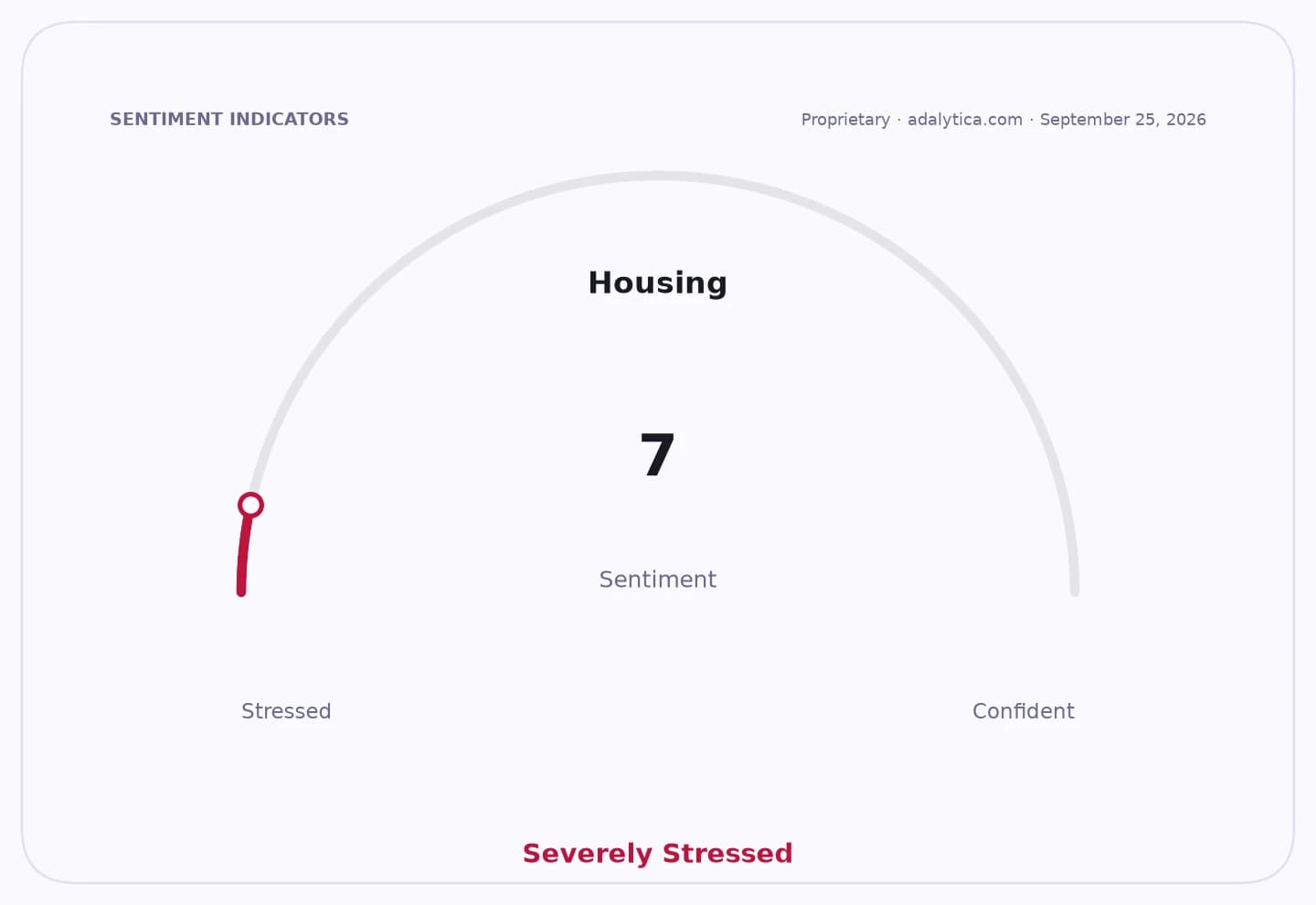
Andrew Bragg has pushed Australia’s superannuation debate back into the political spotlight, floating the idea that borrowers could use retirement savings as mortgage backing in a move that would reroute a slice of the nation’s biggest pool of capital toward housing.
Australia Superannuation Mortgage Proposal Debate
That matters because super is not just a political sacred cow; it is a structural source of domestic savings that helps fund capital markets, retirement income and long-term investment. Any proposal to let people tap those balances for a home deposit, or pledge them as collateral to buy a house or pay down a mortgage faster, would change how Australians build wealth — and how much capital remains locked up for retirement.
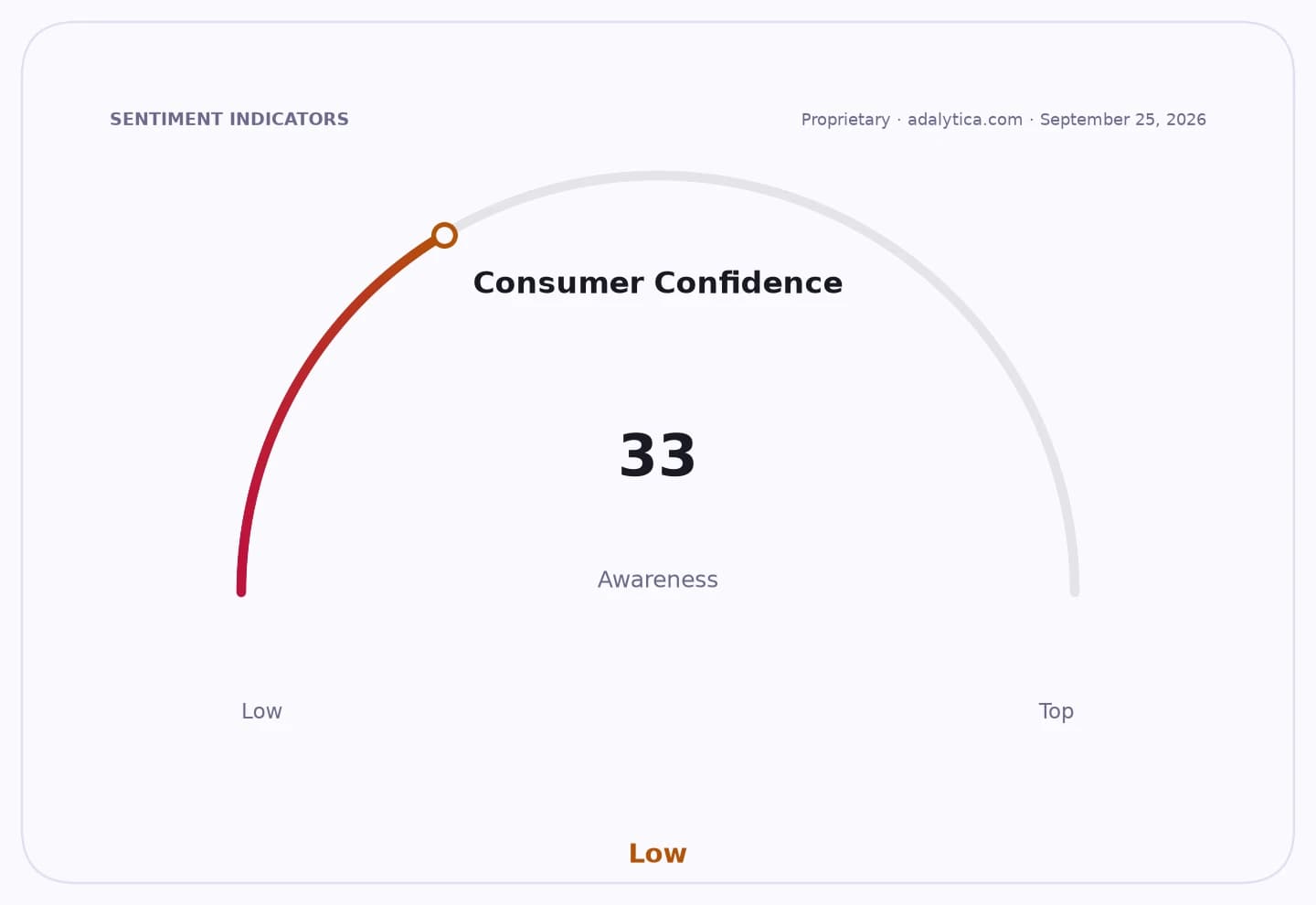
Sentiment IndicatorsⓘProprietary · adalytica.com · September 26, 2026
This is a snapshot — live sentiment, awareness and momentum for 130+ markets update continuously in the dashboard.Open AlphaPulse
Bragg, a Liberal senator, told the Financial Services Council that “groupthink” and “vested interests” have polluted the debate on superannuation, arguing Labor has become less ambitious than in the 1990s. He pointed to a 1993 Labor housing policy that allowed $10,000 of superannuation to be used for a first-home account before Paul Keating later abandoned it.
The pitch lands in a country where housing affordability remains a defining economic pressure point. That is exactly why these proposals keep resurfacing: first-home buyers need help, and politicians know housing access is one of the fastest ways to win attention. But the economic trade-off is real. If super becomes a funding source for home ownership, more money may flow into property, potentially supporting prices and construction at the margin, while retirement balances would grow more slowly over time.
For investors, the debate matters well beyond Canberra. It speaks to the future of Australia’s financial plumbing — the balance between compulsory retirement savings, mortgage lending, bank funding and housing demand. Banks, mortgage brokers and housing-related names could benefit if any policy expands borrowing capacity or speeds home purchases. On the other side, super funds and the broader retirement system would likely resist any change that weakens the long-term compounding power of superannuation contributions.
The broader context is a policy environment increasingly shaped by housing shortages and affordability stress, with governments under pressure to do something more imaginative than fine-tune existing programs. That is why Bragg’s comments are less a throwaway political swipe than an early shot in a much larger fight over who gets to use Australia’s savings pool — retirees, first-home buyers, or both.
For investors, the key takeaway is simple: this is worth watching as a long-duration policy risk, not a near-term trade. If the idea gains traction, it could reshape housing demand, mortgage flows and super fund asset accumulation for years. In a market that rewards patient capital, the winners will likely be institutions that can adapt to a more flexible, and more politically contested, retirement savings system.
| Entity | Gains | Losses |
|---|---|---|
| First-home buyers | ▲Easier deposit access | ▼Lower retirement balances |
| Banks and mortgage lenders | ▲More loan demand | ▼Tougher policy scrutiny |
| Super funds | ▲Status quo protection | ▼Potential asset leakage |
| Home sellers and developers | ▲Stronger housing demand | ▼— |