Pauline Hanson’s bid to let millions of Australians access part of their compulsory superannuation has landed squarely in the inflation debate, with the One Nation leader insisting the policy would not add heat to prices even as critics warn it would put more cash into the economy.
Australia Super Access Plan Hits Inflation Debate

That matters because the proposal arrives at a time when inflation remains the central policy risk for households, borrowers and rate-setters. Any move that boosts disposable income for as many as 7 million people would be read through the lens of whether it lifts spending, complicates the Reserve Bank’s disinflation fight and keeps borrowing costs higher for longer.
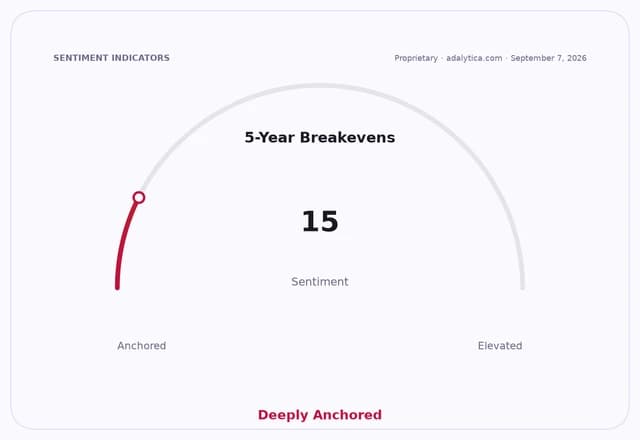
Sentiment IndicatorsⓘProprietary · adalytica.com · September 7, 2026
This is a snapshot — live sentiment, awareness and momentum for 130+ markets update continuously in the dashboard.Open AlphaPulse
Hanson defended the plan on Tuesday as “neutral,” arguing that allowing renters and mortgage holders to draw a quarter of their compulsory super contributions for up to three years would simply put “the people’s money” back in their hands. Under the party’s pitch, the median worker would receive about $2,300 a year, taxed at the concessional super rate of 15%.
Barnaby Joyce, One Nation’s treasury spokesman, tried to narrow the policy’s economic footprint, saying only Australians under financial stress would be likely to withdraw the money. But that distinction is exactly why investors should care: even if the take-up is concentrated among households under pressure, the measure would still function as a targeted demand boost at a moment when policymakers are trying to restrain inflation rather than feed it.
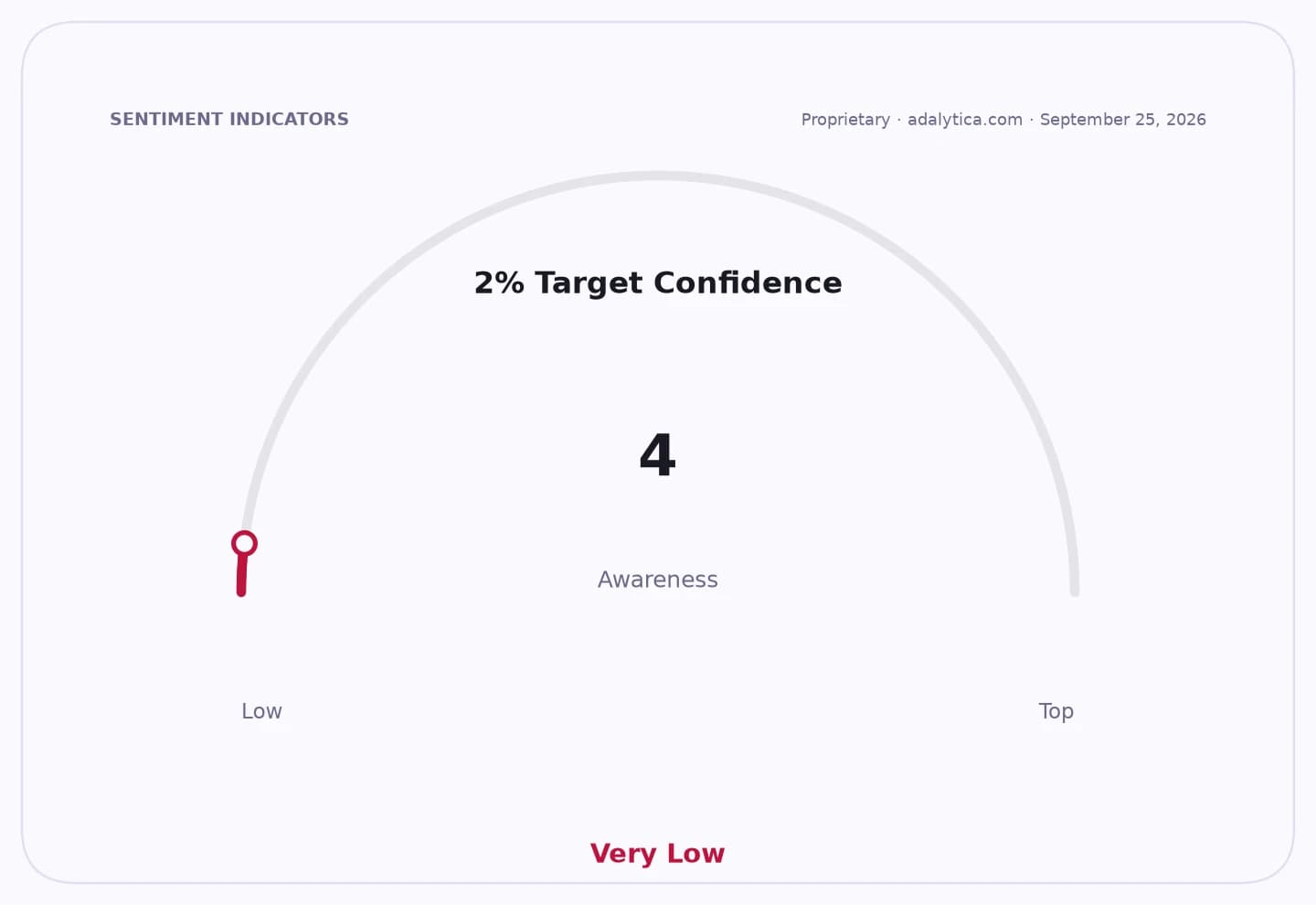
2% Target Confidence — 30-day sentimentadalytica.com
Explore this data interactively — full history, time series and cross-market comparisons.Open AlphaPulse
The political backlash was immediate. The Australian Council of Trade Unions said the plan would leave workers “tens of thousands of dollars poorer at retirement,” framing it as a direct hit to long-term financial security. The Nationals’ David Littleproud also warned the scheme could stoke inflation and, by extension, interest rates, highlighting how quickly the debate has shifted from superannuation policy to macroeconomic risk.
For markets, the significance is not that One Nation can enact the policy on its own. It is that the proposal reinforces a broader investor question in Australia and other developed markets: how much political appetite remains for measures that support household cash flow even if they work against disinflation? That tension has implications for bank earnings, bond yields and rate-sensitive sectors such as housing, consumer discretionary and utilities.
The plan also lands against a global backdrop where inflation remains sticky enough to keep central banks cautious. In that environment, any Australian policy perceived as increasing spending power — even if limited in scope — can matter for term-rate expectations and for how investors price the path of monetary easing.
If the proposal gains traction, the winners would be indebted households and mortgage holders looking for relief; the losers would be retirees, unions and anyone betting on a cleaner inflation downtrend. The market underestimates how often these political ideas evolve into broader debates about demand, wages and the cost of capital.
For now, the takeaway is clear: Hanson is not just selling a superannuation adjustment, she is testing how much inflation pain Australian voters will tolerate in exchange for near-term cash. Investors should watch whether the proposal stays fringe politics or becomes another pressure point on the Reserve Bank’s path.
| Entity | Gains | Losses |
|---|---|---|
| Renters and mortgage holders | ▲Near-term cash flow | ▼Lower retirement balances |
| One Nation | ▲Political momentum | ▼Policy credibility risk |
| Retirees and super funds | ▲None | ▼Smaller long-term savings pool |
| Reserve Bank of Australia | ▲None | ▼Harder inflation fight |