Australia’s plan to impose a minimum 30% tax on income flowing through discretionary trusts is set to raise more than A$40 billion over a decade, but the bigger immediate impact may be the accounting and restructuring upheaval it is likely to trigger across small business and professional-investor circles.
Australia Trust Tax Plan Faces Business Pushback
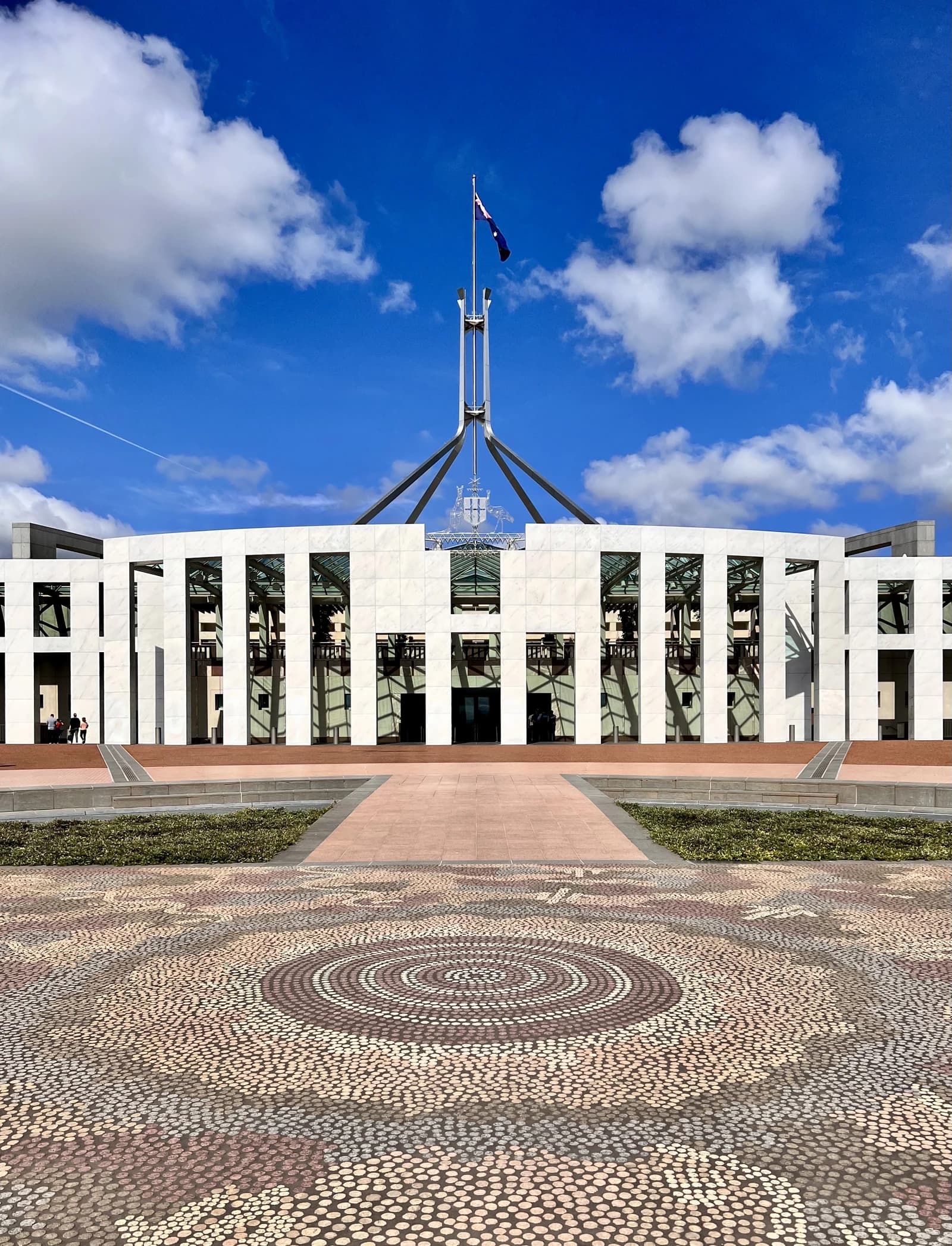
Treasurer Jim Chalmers introduced the measure into parliament on Wednesday as the third major tax change in Labor’s budget repair push, arguing the surge in trust usage has eroded the integrity of the tax base and left the burden increasingly on wage earners. The government says the reform, alongside changes to negative gearing and capital gains tax, could leave ordinary workers facing about two percentage points less personal income tax pressure over the next 10 years.
Sentiment IndicatorsⓘProprietary · adalytica.com · October 16, 2026
This is a snapshot — live sentiment, awareness and momentum for 130+ markets update continuously in the dashboard.Open AlphaPulse
The stakes are economic as much as political. Trusts are deeply embedded in Australia’s small-business and family-wealth structures, with about one million discretionary trusts in use and roughly 40 trusts per 1,000 people, far above levels in the UK and US. By Treasury’s logic, that density makes trusts a growing leak in the tax system. By critics’ logic, it is a practical structure being treated like a loophole, with the reform risking higher compliance costs, forced restructures and more red tape for businesses that say they are already under strain from rates, inflation and weak growth.
The federal government expects the measure to collect roughly the same amount over the decade as its combined overhaul of negative gearing and capital gains tax, underscoring how central trust reform is to its medium-term revenue strategy. That matters for investors because the plan could alter after-tax returns for private businesses, property investors and high-income households that rely on trusts for distribution and estate planning. It also raises the prospect of accounting changes and legal reorganisations that may benefit advisers, accountants and restructuring specialists, while squeezing firms that lack the scale to absorb new tax complexity.
NSW’s decision to rule out stamp duty on trust restructures removes one near-term cost and should reduce the odds of a cascade of state-level levies. That takes some pressure out of the transition, but it does not alter the broader policy direction. The federal tax still does not start until mid-2028, giving businesses time to adapt and opponents time to organise a lengthy campaign against it.
That campaign is likely to be fierce. Business groups including the Australian Chamber of Commerce and Industry and Master Builders Australia say the changes will hit small firms, force costly restructures and increase administrative burden. The accounting profession is also expected to push back, arguing that a blunt minimum tax could misfire in complex family and operating structures. On the other side, the community sector says the current system is routinely used by higher earners to cut tax rates and shift income away from wages, which strengthens Labor’s argument that the reform is about fairness and sustainability rather than a simple revenue grab.
The Senate remains the key political risk. Labor can pass the bill through the lower house, but it will need Greens support in the upper chamber, and the party is already pressing for tougher treatment of trust use around private-school fees. That suggests the final form of the reform could still shift, particularly if Labor decides further concessions are needed to secure passage without opening another front with business.
For investors, the main issue is not just the size of the tax take but the precedent. Australia is moving toward a more aggressive stance on trusts, capital income and wealth-adjacent structures at a time when budgets are under pressure and political tolerance for tax minimisation is fading. If the reform survives the next two years of lobbying and Senate bargaining, it would mark a meaningful change in how private capital is organised and taxed, with consequences for small-business valuations, family offices and sectors tied to restructuring activity.
| Entity | Gains | Losses |
|---|---|---|
| Federal government | ▲More revenue | ▼Tax avoidance through trusts |
| Wage earners | ▲Lower tax pressure | ▼Higher tax burden if no reform |
| Small businesses using trusts | ▲Limited stamp duty risk | ▼Higher compliance costs |
| Advisers/accountants | ▲Restructuring work | ▼Simpler trust structures |