Australian farmers are beginning to turn artificial intelligence from a buzzword into a practical farm tool, a shift that could trim costs, lift productivity and change how agriculture is managed in one of the economy’s least digitised sectors.
Australian farmers test AI farm assistant pilot
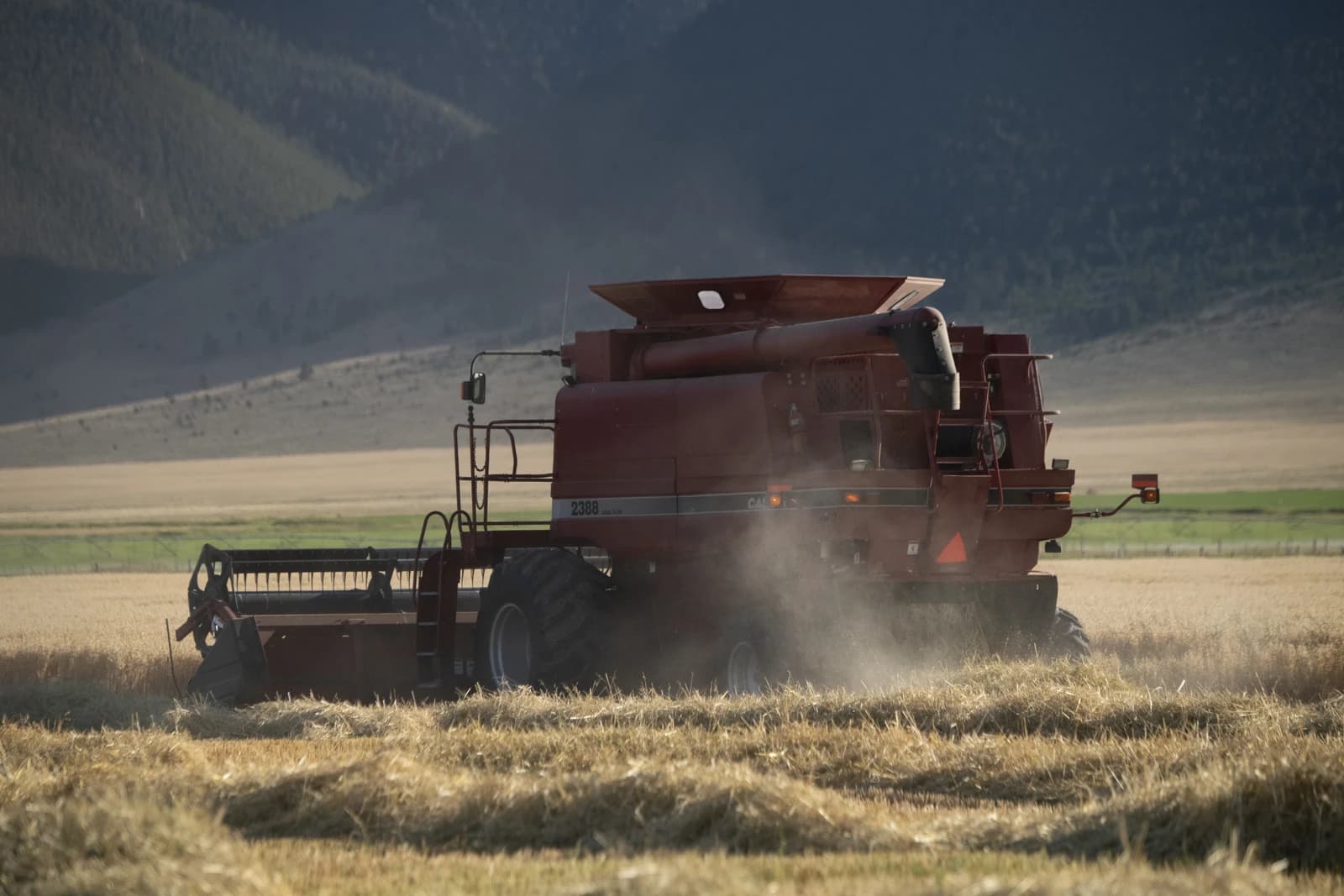
The clearest sign is the Farm Assistant pilot now being trialled by Narromine farmer Andrew Gill, which pulls together paddock sensor readings, livestock market data, weather forecasts and cash flow information, while also converting voice notes and photos into records. Gill said the system has already cut about five hours a month from administrative work for him and his wife, underscoring why AI is gaining traction in agriculture not as a gimmick but as a way to reclaim scarce time and improve decisions.
That matters economically because farming is a thin-margin business where even small gains in labour efficiency, input timing and market access can have an outsized effect on profitability. Agriculture has among the lowest AI uptake rates in Australia, according to official data, suggesting there is considerable room for productivity gains if farmers can trust the software and if the tools prove reliable in real conditions. For producers, the payoff is not just automation but better use of information already being generated on farms through sensors, weather systems and financial records.
The pilot also points to a broader change in how ag-tech is being sold. Andrew Ward, a co-director at Regen Farmers Mutual, said the difference with Farm Assistant is that farmers are using AI for themselves rather than handing the benefit to a third party. That distinction is important for investor interest in agricultural software, sensors and precision-farming equipment: adoption tends to accelerate when the economics are clear and the data stays with the producer. It also helps explain why Deere, AGCO and CNH Industrial remain closely tied to the pace of digital farm investment even as their core machinery sales are shaped by farm income and commodity prices.
At the same time, the opportunity is constrained by trust. Vi Nguyen, chief executive of Ryka Global and an ag-tech consultant, said developers need transparent ethics and data protections because farmers are especially sensitive about privacy, particularly around finances. That is a material commercial issue for AI vendors because one poor deployment could slow uptake across the sector, making data security and governance as important as model performance.
The backdrop is not only commercial but geopolitical and local. The Farm Assistant rollout comes as rural communities in Queensland’s Darling Downs debate Anthropic’s planned data centre, with farmers raising questions about power use and water demand in a region already coping with renewable-energy projects, mining, housing shortages and disaster recovery. That tension captures the central trade-off of the AI boom: the technology is promising more efficiency in sectors such as agriculture, but its physical footprint is colliding with scarce regional resources.
For investors, the story is less about a near-term revenue surge than a long adoption runway. If AI tools can reliably save time, improve planning and reduce waste on farms, the beneficiaries could include ag-tech developers, machinery makers with digital platforms and service providers that help farmers manage data. The losers would be incumbents and vendors that cannot prove value or protect farm data. The next test will be whether pilot programs like Farm Assistant can move beyond early adopters and become standard operating tools in a sector that has long been marketed to but only now may be starting to buy.
| Entity | Gains | Losses |
|---|---|---|
| Farmers | ▲Less admin; better decisions | ▼Upfront learning curve |
| Ag-tech developers | ▲New adoption pathway | ▼Trust failures |
| Deere, AGCO, CNH | ▲Digital revenue potential | ▼Slow farm capex |
| Rural communities | ▲Productivity gains | ▼Data-centre resource strain |