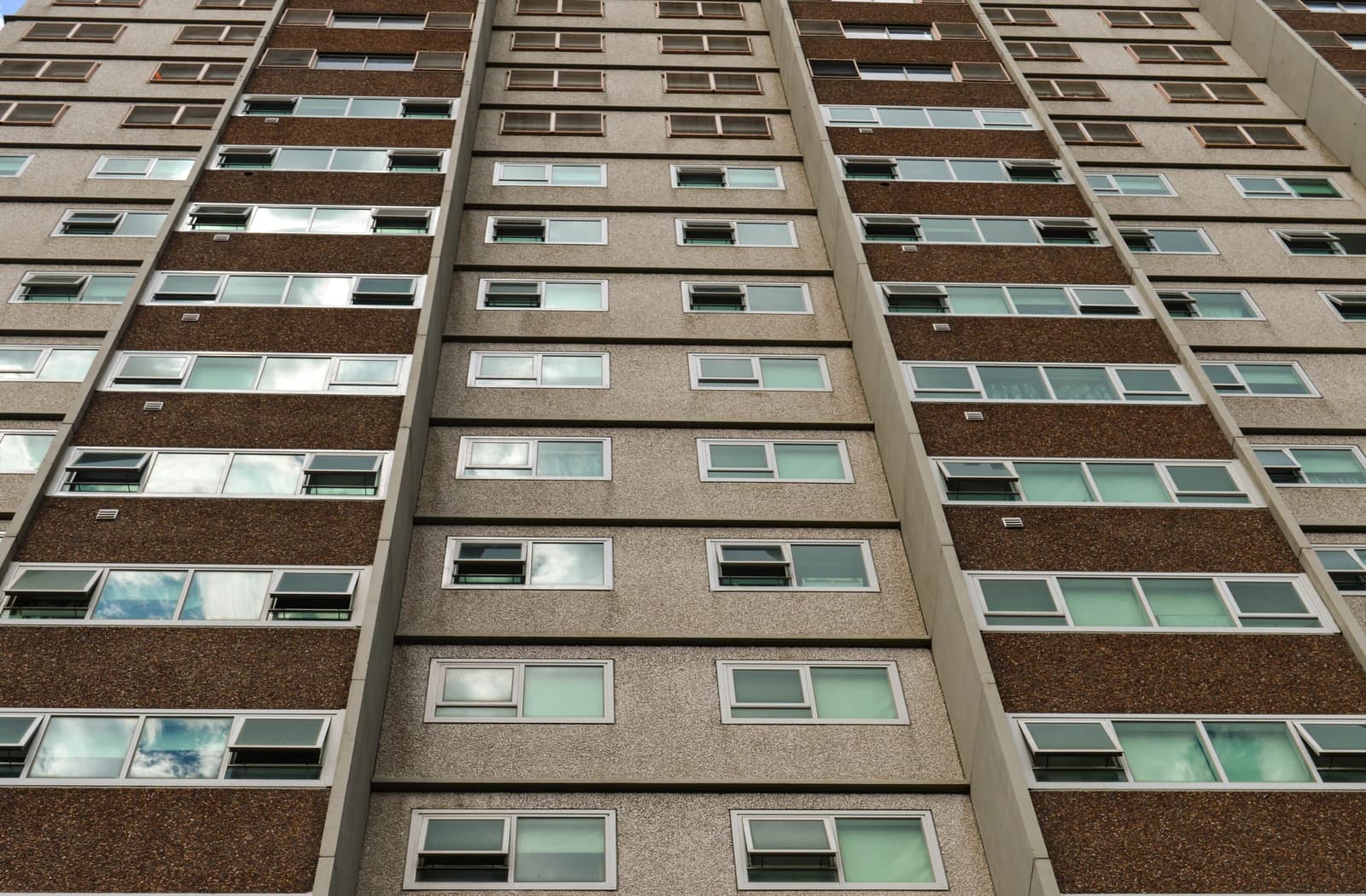
Bac Ninh is preparing to sell another batch of social housing at a level that is still far below nearby market offerings, underscoring how tightly priced affordable homes remain in one of Vietnam’s fastest-growing industrial hubs.
Bac Ninh Sao Hong social housing prices set
The third sale phase of the Sao Hong social housing project will offer 70 units at about 9.3 million dong per square metre, including VAT and maintenance fees, the Bac Ninh construction department said. That puts the entry price for a 39-square-metre apartment at roughly 363 million dong, rising to as much as 651 million dong for a 70-square-metre unit.
For buyers, the gap matters. In Bac Ninh, many recent social housing projects have been priced at 15 million to 19 million dong per square metre, with some above 20 million dong. A nearby project in Nenh is preparing to sell more than 800 units at nearly 24 million dong per square metre, or about 758 million dong a unit. Sao Hong’s pricing is therefore one of the more competitive offers in the province, a difference that can determine whether factory workers, young households and lower-income buyers can actually qualify.
The project also highlights why Bac Ninh has become central to Vietnam’s housing policy. The province, now a centrally run city, has emerged as one of the country’s leading social housing markets because of its concentration of industrial parks and migrant labour demand. Authorities said Bac Ninh completed nearly 20,000 social housing units in 2025, around a fifth of national supply, and the city has been assigned a 19,000-unit target for this year, above Hanoi’s quota.
That scale matters economically because housing supply in industrial provinces feeds directly into labour stability, consumption and local investment. For manufacturers, especially electronics and parts makers clustered around Bac Ninh, affordable housing is not just a social policy issue but a workforce-retention tool. For the local economy, more completed units can help support migration into the province without pushing rents and home prices even higher.
Sao Hong itself is close to completion. The project, built on nearly 2 hectares, comprises three apartment blocks with 790 social housing units and 32 commercial townhouses, enough to serve about 2,400 residents. The developer says infrastructure is 90% complete, the two social housing blocks are structurally finished and more than 85% done overall, with handover expected from the fourth quarter of 2026.
Investors watching Vietnam’s property market will see a contrast between policy-backed affordable housing and the broader commercial housing push. In Ho Chi Minh City, authorities have recently approved a large batch of land plots for pilot commercial housing, while in Bac Ninh the emphasis remains on rapid delivery of lower-cost units. The split illustrates a national housing strategy that is trying to widen supply at both ends of the market, even as land costs, construction expenses and pricing pressures keep the middle squeezed.
The key question for the next year is whether Bac Ninh can keep delivering social housing at prices that remain meaningfully below surrounding projects while still preserving developer margins and meeting official targets. If it does, the province will continue to set the pace for affordable housing nationwide; if not, the affordability gap that drives demand today could narrow quickly.
| Entity | Gains | Losses |
|---|---|---|
| Homebuyers in Bac Ninh | ▲Lower entry prices | ▼Smaller unit choice |
| Sao Hong developer | ▲Faster sales take-up | ▼Thin pricing flexibility |
| Bac Ninh authorities | ▲Higher housing delivery | ▼Execution pressure |
| Competing projects | ▲Benchmark demand visibility | ▼Pricing comparison pressure |