A fresh attempt to settle the 50-year-old Quang Trung apartment redevelopment in Nghệ An is centered on 15 households that still have not accepted their replacement units, keeping a long-delayed urban renewal project from fully clearing the site.
Quang Trung redevelopment stalled by 15 households
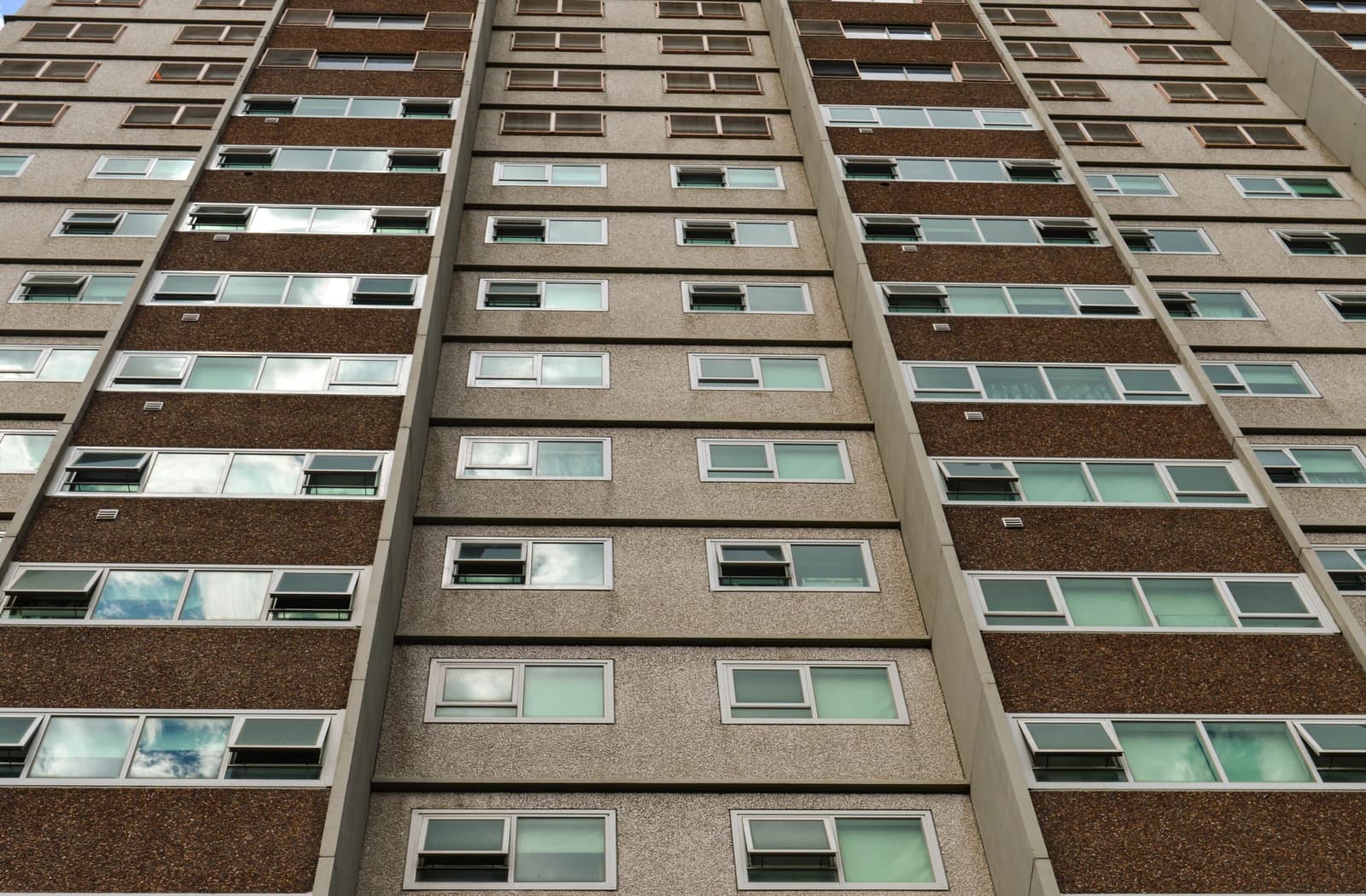
The dispute matters because the project is no longer about broad policy design but execution: 514 of 529 owners have agreed to the relocation plan, yet the last 15 holdouts continue to block complete demolition and handover of the C2, C3 and C4 blocks. That means the pace of redevelopment now hinges on whether the developer can win over a small minority without reopening the compensation formula for everyone else.
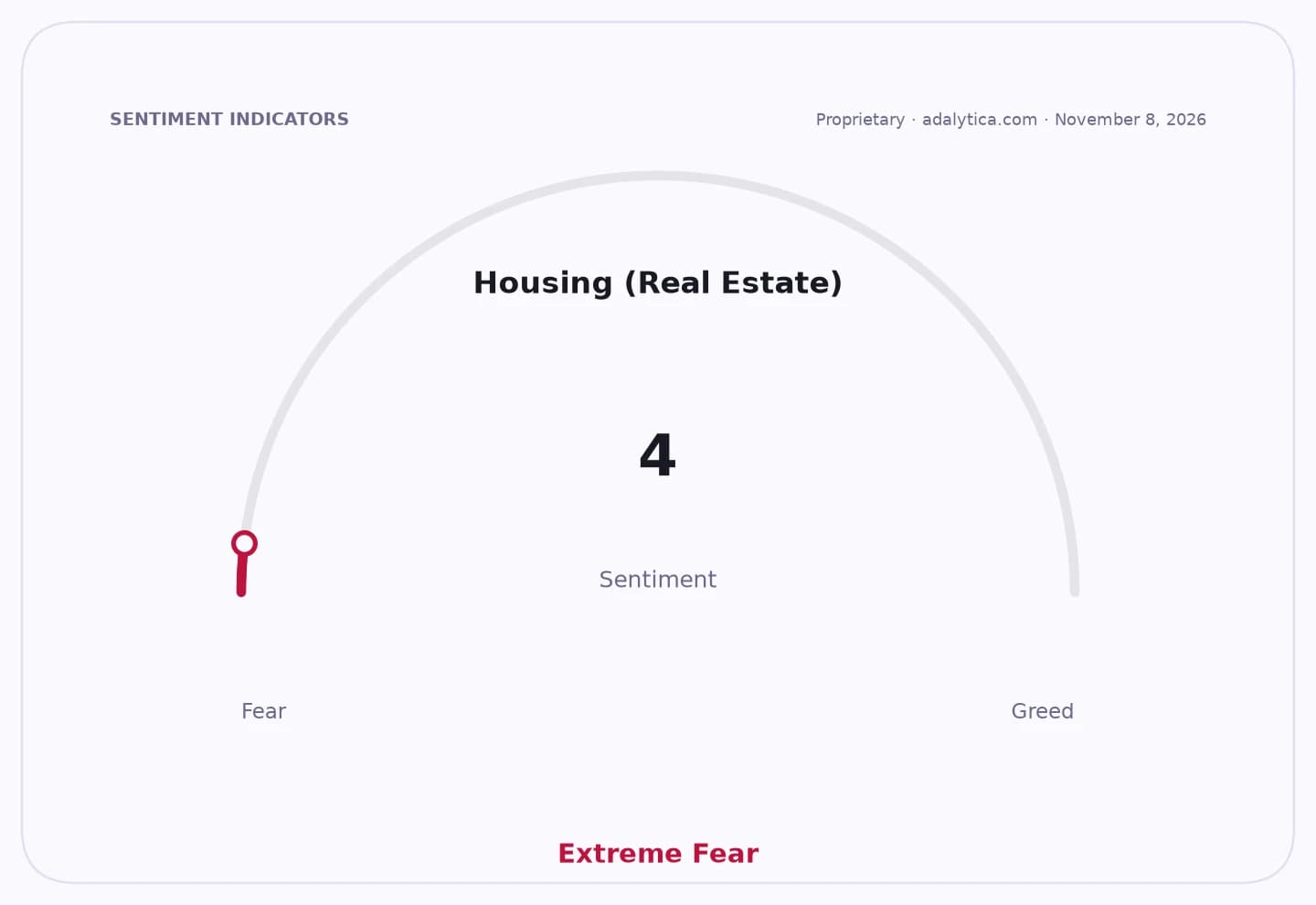
Sentiment Indicators
The developer, Hanoi No. 30 Housing Investment and Development JSC, told local authorities it is considering an additional allocation of apartment space for the 15 households in the Quang Trung C project. The company said the project was designed to demolish blocks C2 through C9 and resettle residents into CT1B, CT3A and CT3B, with 529 owners covered under the plan.
So far, 149 owners from C7, C8 and C9 have completed resettlement in CT1B, 140 owners from C5 and C6 have signed contracts for CT3A, and 225 owners from C2, C3 and C4 have drawn and received apartments in CT3B. That leaves just 15 owners from the C2-C4 cluster outside the agreement, although local reporting says nine of those households have now handed over their apartments to the developer.
The company says the units already assigned to those households are larger than the old apartments after applying the project’s K=1.3 conversion ratio, and that the new homes meet the minimum 30-square-meter requirement. For residents, the issue appears less about whether they receive replacement housing and more about whether the unit mix, size and upgrade option match expectations after years in a deteriorating building.
To ease the impasse, the developer has proposed a third lottery using remaining apartments from earlier rounds, in size bands from 49.4 square meters to 64.3 square meters. It also says households needing more space could apply to buy an additional unit at commercial prices if they can document a pressing housing need and obtain confirmation from police and the local ward office.
For investors and the wider real estate sector, the case shows how politically sensitive resettlement can delay otherwise straightforward urban renewal projects, especially in aging Soviet-era-style apartment blocks across Vietnam. It also underscores the operational risk for developers tied to state-backed redevelopment, where timelines depend as much on resident consent and local administration as on construction financing.
The next catalyst is whether the third drawing succeeds in closing the last gap or whether the remaining households force another round of negotiation, keeping the project in limbo and extending carrying and redevelopment costs.
| Entity | Gains | Losses |
|---|---|---|
| Hanoi No. 30 Housing Investment and Development JSC | ▲Moves project forward | ▼Faces delay risk |
| 514 agreeing owners | ▲Resettlement clarity | ▼Limited bargaining room |
| 15 holdout households | ▲Chance for larger units | ▼Pressure to accept plan |
| Local authorities | ▲Progress on urban renewal | ▼Prolonged dispute management |