Delhi’s housing authority is preparing a large-scale slum rehabilitation drive that could eventually replace 45 JJ clusters with permanent homes for about 21,000 families, a move that matters because it could reshape land use across the capital while easing a long-running urban housing deficit.
Delhi DDA Plans 45 Slum Rehabilitation Projects
The Delhi Development Authority has only announced the plan so far, but the scale is significant: officials said the 45 clusters have been split into 15 projects, with the first step being a ground-level assessment of how many homes are needed, how much land is available and what it will cost to provide roads, water, electricity and drainage.
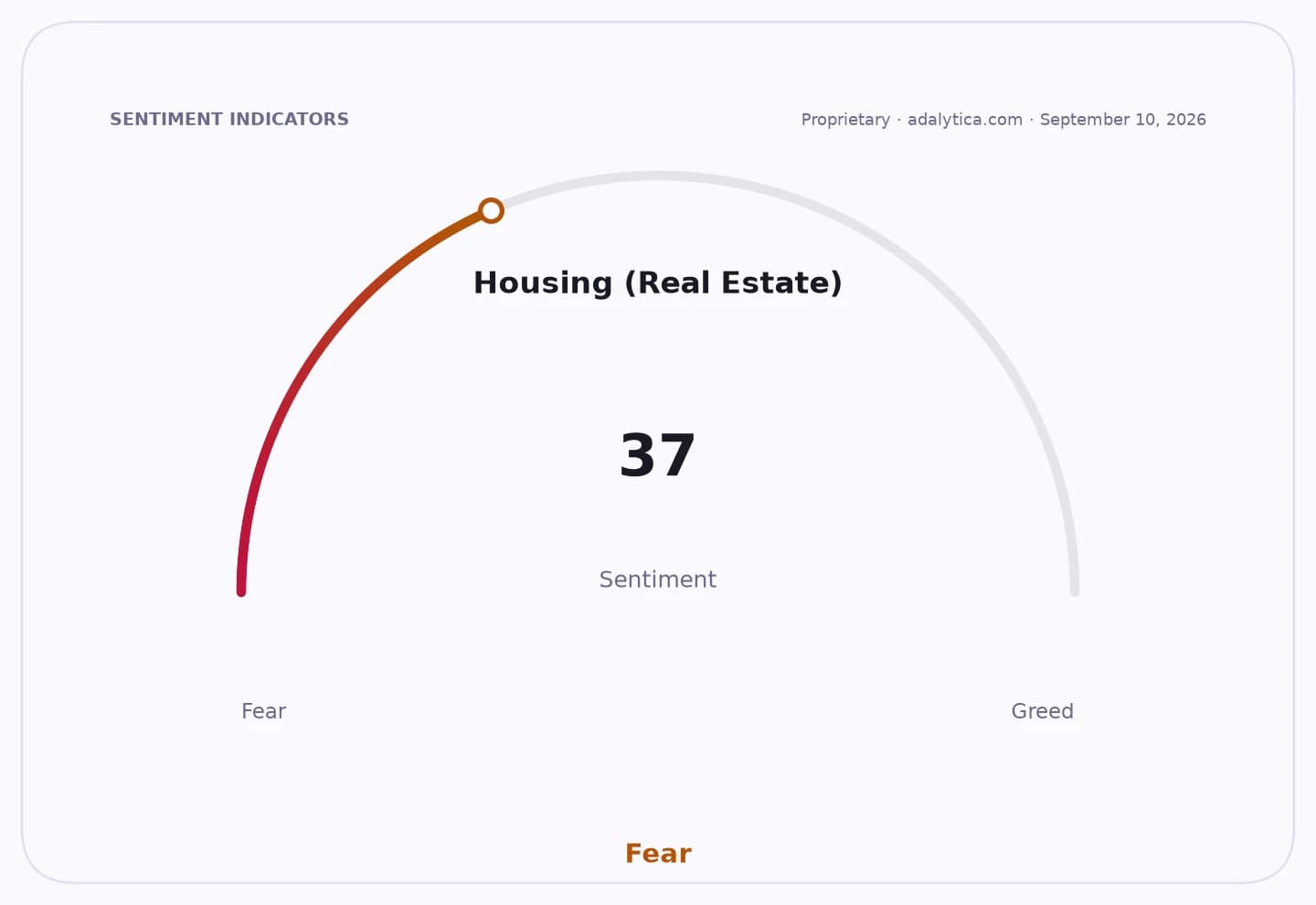
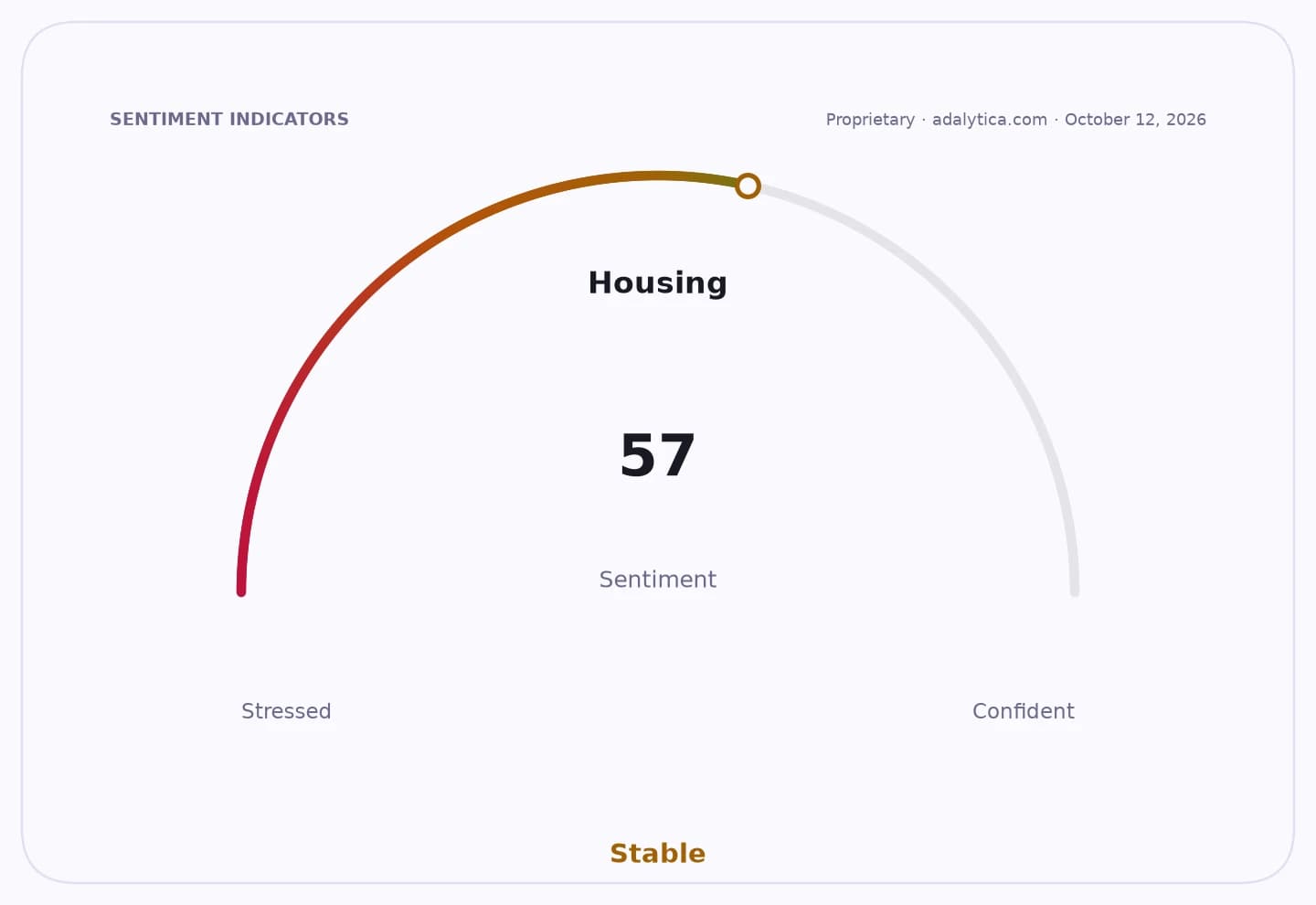
Sentiment IndicatorsⓘProprietary · adalytica.com · October 12, 2026
This is a snapshot — live sentiment, awareness and momentum for 130+ markets update continuously in the dashboard.Open AlphaPulse
That sequencing matters for investors and policymakers because the project is not yet a construction story; it is a planning and execution story. The DDA’s next phase will determine whether the scheme becomes a real catalyst for urban redevelopment or remains another delayed public housing promise. The authority has said the new flats would be built in or near existing settlements, which could reduce displacement risk and preserve access to work, schools and transport for residents.
The rehabilitation drive is also part of a much larger policy framework under Delhi’s Master Plan 2047, which envisages the redevelopment of more than 650 slum settlements and could ultimately affect about 17 lakh people. If the DDA can demonstrate a workable model in these first 45 clusters, it would strengthen the case for broader redevelopment across the city and potentially free up land for denser housing or commercial use.
For the housing market, the initiative supports the broader narrative that Delhi’s residential policy is shifting toward formalization and in-situ redevelopment rather than peripheral relocation. That could be positive for construction activity, infrastructure contractors and suppliers if approvals and funding follow. It also underscores the political sensitivity of affordable housing in a market where supply-demand imbalances remain acute and low-income households are increasingly priced out of the formal sector.
Still, the bear case is that timelines, land acquisition constraints and utility upgrades could slow execution. The DDA has not set a deadline for handovers, has not confirmed whether every family in the 45 clusters will qualify, and has not disclosed the financing structure. Until those details are clearer, the plan remains a policy commitment rather than a near-term boost to housing supply.
For residents, the immediate implication is to prepare for surveys and eligibility checks rather than construction. For the market, the key question is whether this becomes a replicable redevelopment template for Delhi or just an early-stage announcement.
| Entity | Gains | Losses |
|---|---|---|
| JJ cluster families | ▲Permanent housing access | ▼Uncertainty during transition |
| DDA / Delhi government | ▲Urban renewal mandate | ▼Execution and funding risk |
| Construction firms | ▲New redevelopment contracts | ▼Delays from approvals |
| Nearby landowners / city planners | ▲Better land use | ▼Higher infrastructure burden |