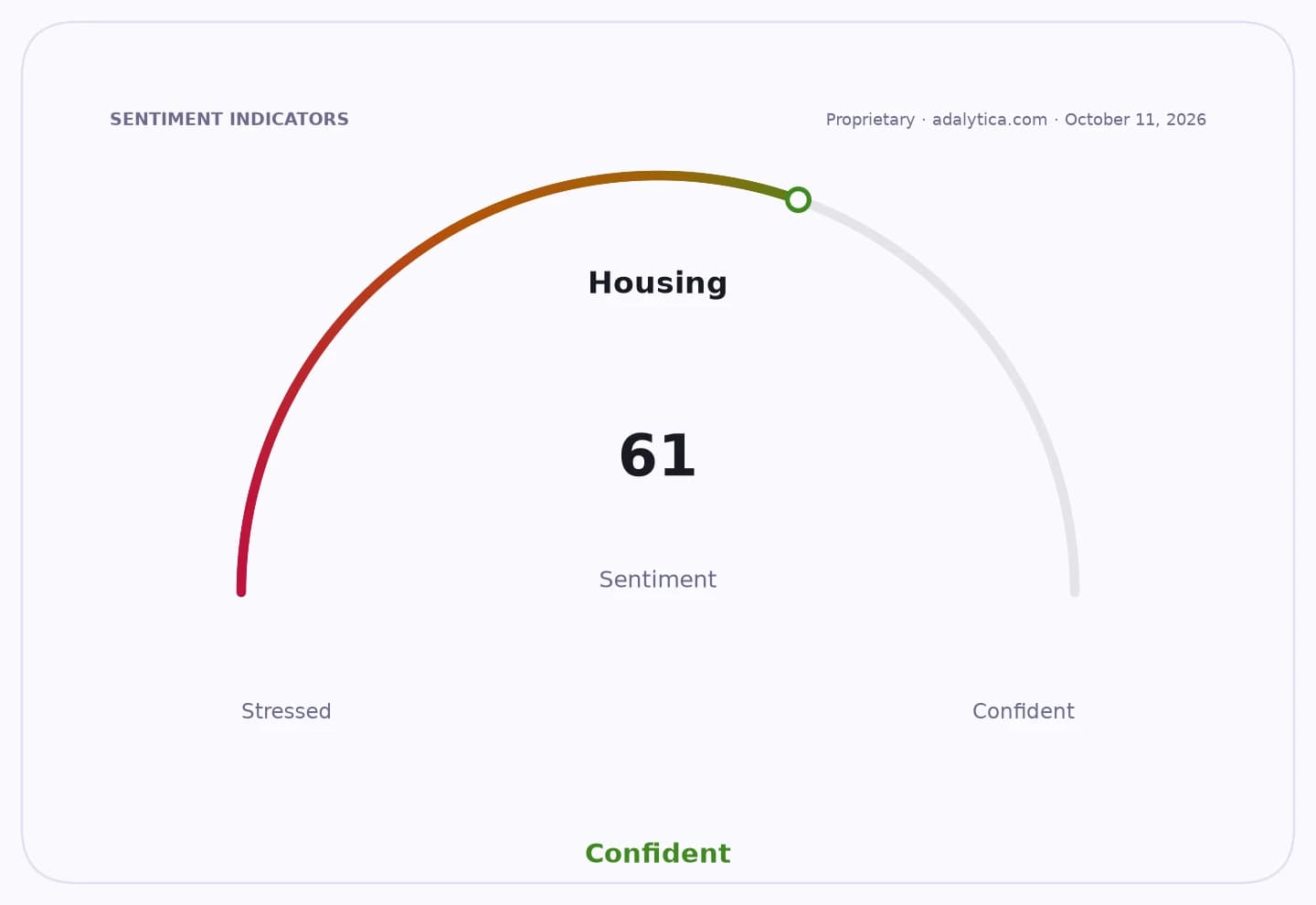
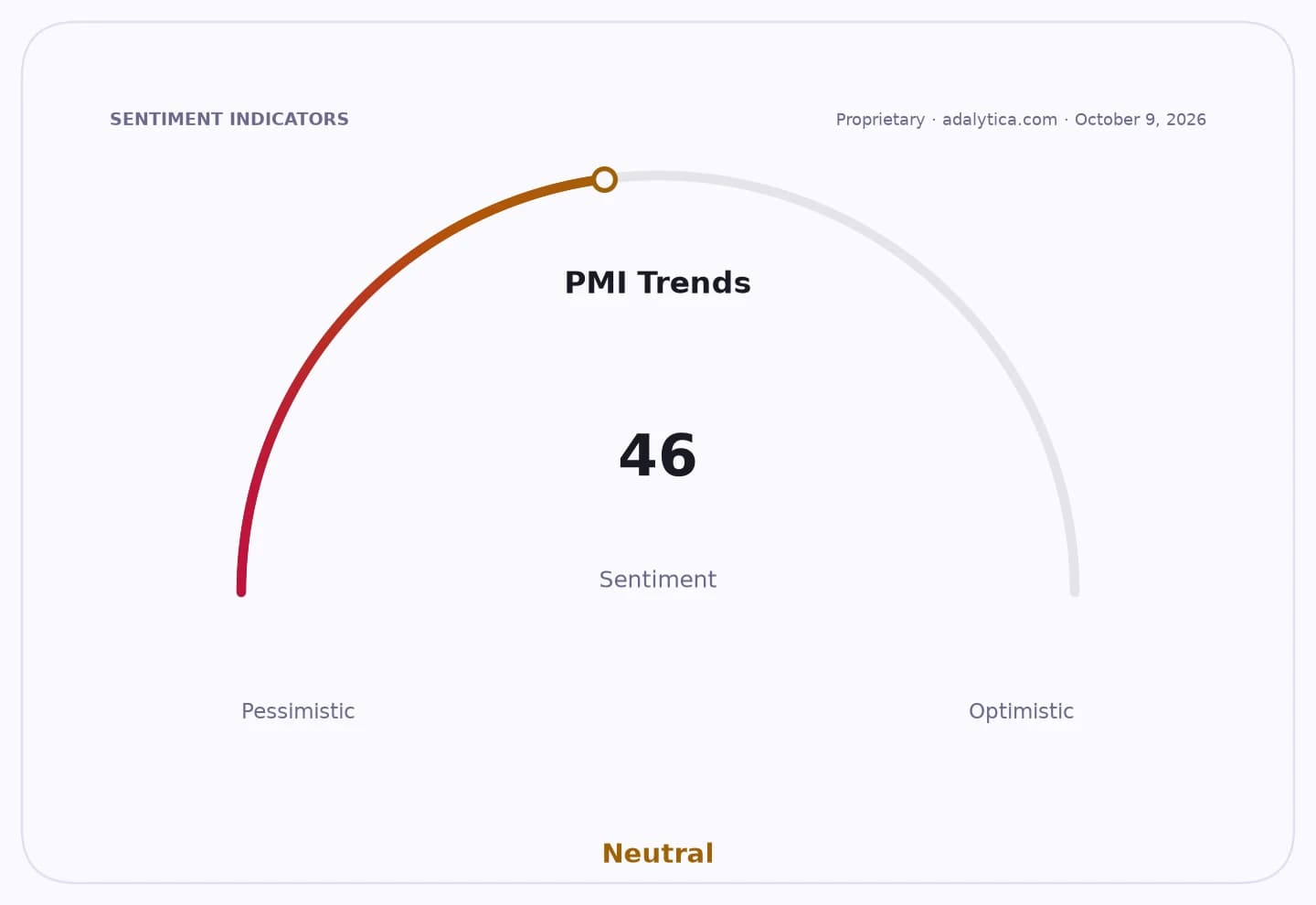
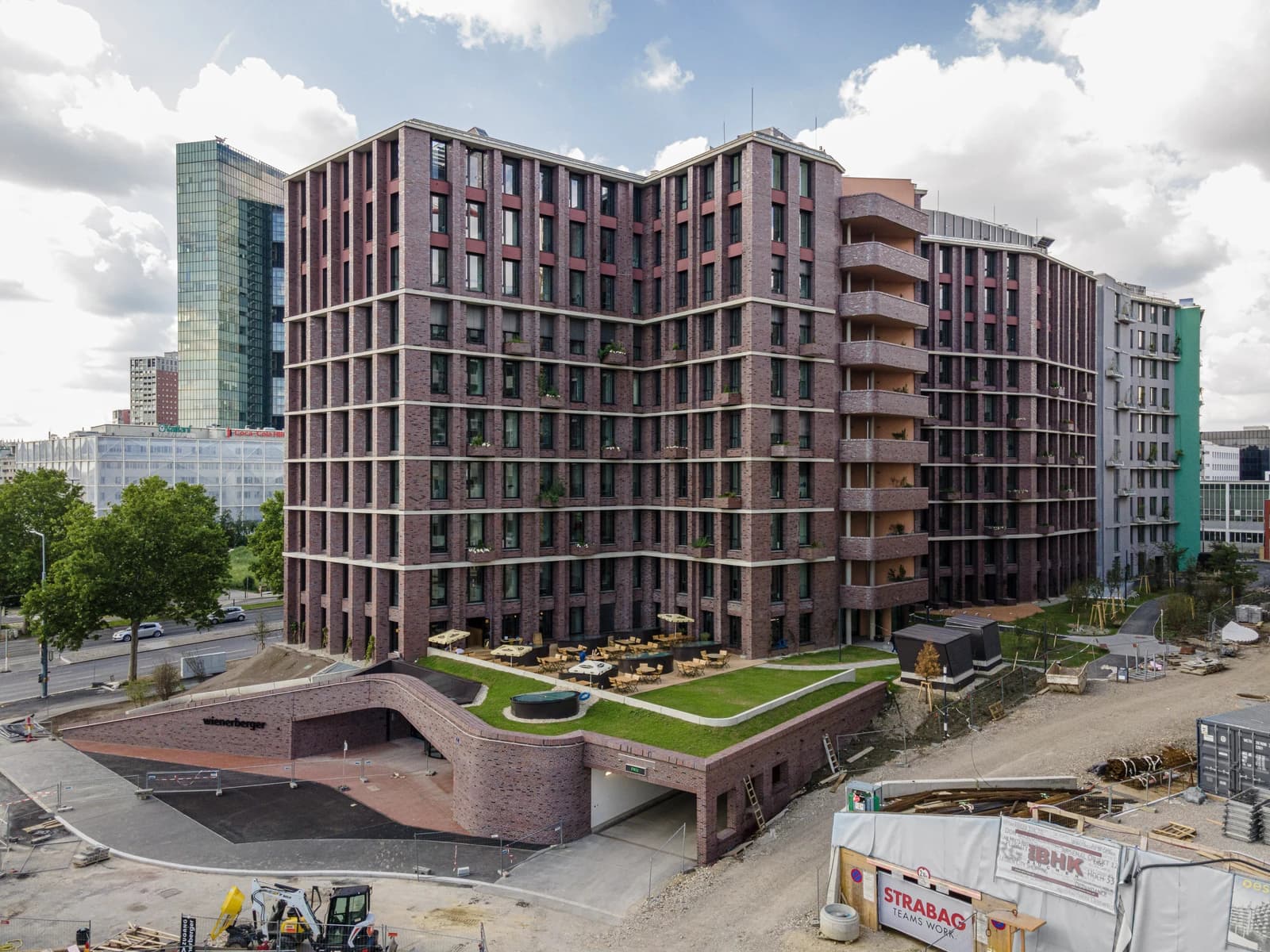
Hungary’s housing market is showing a sharper-than-seasonal slowdown, with the number of planned homes falling to an unprecedented low in a sign that developers are freezing projects while they wait for clearer policy and demand signals.
Hungary housing permits fall to 2025 low in August
The latest figures from the Hungarian Central Statistical Office show permits for 1,512 homes were issued in August, down nearly 29% from July and below the 1,835 homes signaled a year earlier. It was the weakest reading since January 2025 and marks a break from the stronger first half of the year, when January and March had propped up the pipeline.
For the economy, the drop matters because permits are typically the earliest visible sign of future construction activity, investment and labor demand. When developers hesitate at the approval stage, the slowdown usually shows up later in building starts, cement demand, subcontracting work and housing-related tax receipts. That makes the August slump more than a statistical wobble: it points to a cooling in one of the few sectors that had still been showing momentum.
The read-through for investors is mixed. Smaller, owner-occupied projects appear to be holding up better, helped by subsidized financing and state support, while larger apartment developments are being delayed or redesigned. The data showed permits for residential buildings slipped to 828 in August from July, but were still slightly above a year earlier, suggesting the market is not disappearing so much as shifting toward lower-volume, family-house projects.
That divergence matters for lenders, developers and construction suppliers. A market tilted toward smaller homes tends to support a steadier flow of activity but usually generates less volume for listed materials firms, contractors and urban residential developers than multi-unit projects. At the same time, the weakness in large-scale schemes suggests investors may continue to discount earnings visibility in the broader housing chain until policy risk clears.
Developers appear to be waiting on several moving parts: the future of support schemes, housing VAT, demand conditions and any new government incentives. In practice, policy announcements often hit permits and project launches before they affect cranes and concrete, because builders first decide whether to accelerate, defer or rework plans.
The broader narrative is that Hungary’s housing market has not collapsed; it has become more selective. Support measures are still sustaining smaller builds, but the slowdown in permits shows that bigger developments are being postponed at exactly the point when the sector needed consistency. If policy remains uncertain, the pipeline could weaken further into year-end, reducing the chance of a broad-based rebound in residential construction.
| Entity | Gains | Losses |
|---|---|---|
| Small homebuilders | ▲Supported by subsidized financing | ▼Limited scale |
| Large developers | ▲Potential time to reassess projects | ▼Weaker permit flow |
| Construction suppliers | ▲Steadier small-project demand | ▼Fewer large contracts |
| Hungarian housing market | ▲Some underlying demand remains | ▼Broader investment momentum |