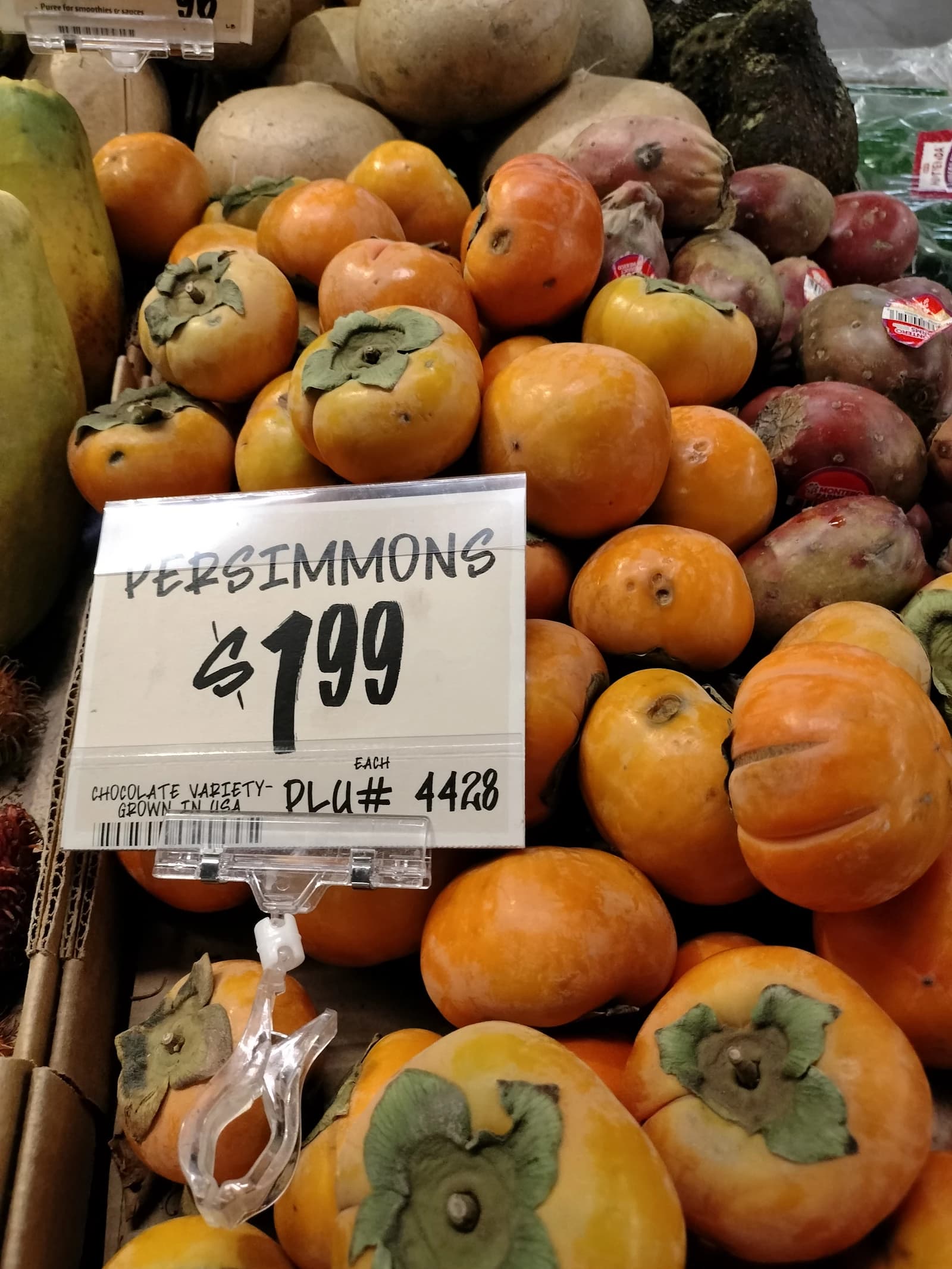
The real story is not that bamboo persimmon is expensive — it is that scarcity, seasonality and a strong gift-buying culture can keep a fruit premium even when the price reaches 80,000 to 200,000 dong a kilogram, and sometimes more.
Bamboo persimmon prices stay high in Vietnam
That matters because this is what “value” looks like in food markets: not mass production, but limited supply meeting consumers who are willing to pay for taste, novelty and provenance. In Thái Nguyên, bamboo persimmon is treated as a regional specialty, and the window to buy it is short, lasting only about a month from late August through September. For investors watching consumer behavior, that is the same economic logic that supports premium pricing in wine, artisan coffee, specialty seafood and other niche products — a tight supply chain and a story people want to tell at the table.
The fruit’s appeal is also practical. Sellers say bamboo persimmon has a distinctive texture and sweetness, with a jelly-like flesh that is firm, non-astringent and easy to transport as a gift. That makes it well suited to the Mid-Autumn Festival season, when households are assembling fruit trays and shoppers are looking for something unusual enough to stand out. In other words, the premium is not just about flavor; it is about occasion, presentation and status.
That combination helps explain why demand persists even as the supply base shrinks. Growers say planting area has declined and production is concentrated in a few mountainous districts, which limits volumes and leaves little room for year-round sales. In a normal commodity market, that would pressure prices. Here, it does the opposite: scarcity enhances the appeal. For consumers, especially women buying for family gatherings or gifts, the price becomes part of the attraction because it signals quality and exclusivity.
For investors, the broader lesson is that premium agricultural brands can create pricing power without needing massive scale. Local specialties with strong regional identity, short harvest windows and repeat seasonal demand can sustain margins better than generic produce. That is a useful reminder when looking at food retailers, specialty grocers, packaged fruit brands and even logistics businesses that handle higher-value perishables. The winners are companies that can source, store and distribute distinctive products reliably.
Still, the opportunity is not unlimited. A premium fruit like bamboo persimmon remains vulnerable to weather, harvest variability and the risk that consumer interest fades once the novelty wears off. But as long as the fruit remains scarce, seasonal and tied to gifting, it should keep commanding a price that looks high on paper but makes sense in the market.
For long-term investors, that is the takeaway: the most durable food businesses are often not the ones selling the cheapest produce, but the ones that understand how rarity, branding and consumer rituals create value. Bamboo persimmon is worth watching as a small but telling example of that principle.
| Entity | Gains | Losses |
|---|---|---|
| Bamboo persimmon growers | ▲Higher per-kg pricing | ▼Limited volumes |
| Specialty fruit sellers | ▲Premium margins | ▼Year-round supply |
| Consumers seeking gifts | ▲Distinctive seasonal fruit | ▼Budget shoppers |
| Mass-market fruits | ▲Less attention | ▼Shelf space and demand |