Bamboo-skinned persimmons from Thái Nguyên are commanding 80,000 to 200,000 dong per kilogram, with the choicest fruit fetching even more, because supply is tight and buyers are still lining up for a one-month harvest window that makes the seasonal specialty feel more like a scarce gift than an ordinary fruit.
Thái Nguyên bamboo persimmons fetch up to 200,000 dong
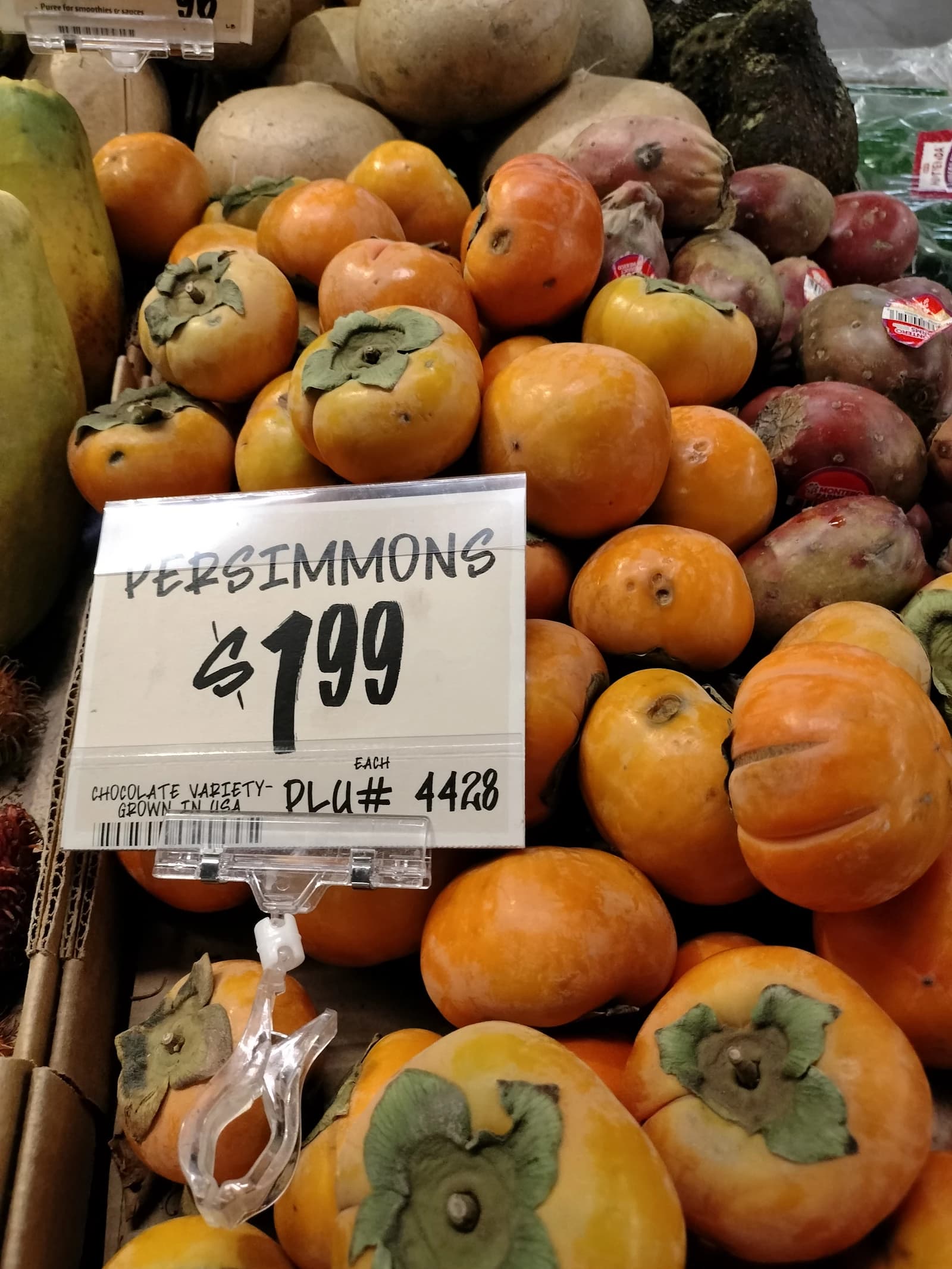
The pricing puts the fruit on par with imported produce, but that has not dampened demand. Traders say customers are still competing to secure orders, with many willing to book ahead and accept shortages when stocks run out before the end of the day.
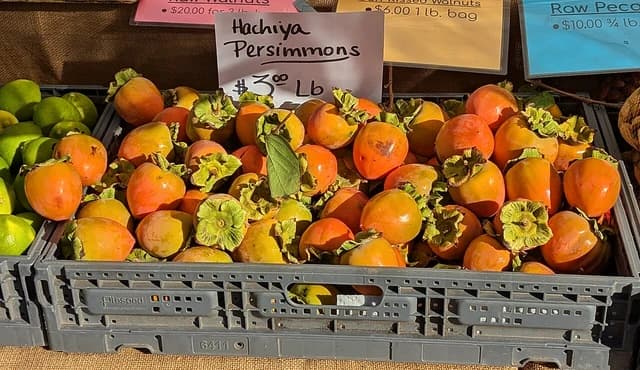
For growers and small vendors, the appeal is simple economics: a short harvest from late August through the end of September, shrinking growing areas in northern mountain districts and a reputation built on taste rather than appearance. The fruit’s green-yellow skin and soft, amber flesh make it a familiar autumn delicacy for consumers who see it as a once-a-year treat.
That scarcity is the story behind the premium. Unlike more common persimmons that can be eaten earlier or peeled and served immediately, bamboo-skinned persimmons need to ripen fully before they deliver their signature sweet, silky texture, which makes them harder to handle and less available at scale.
The trade also highlights how Vietnam’s seasonal fruit market is rewarding differentiated local specialties over volume. Sellers benefit from high margins on a limited crop, while shoppers pay up for novelty, gifting appeal and the perception of authenticity tied to Thái Nguyên’s mountain orchards.
The near-term catalyst is the end of the main harvest, which will likely tighten supply further and keep prices elevated until the season closes.
| Entity | Gains | Losses |
|---|---|---|
| Thái Nguyên growers | ▲Higher seasonal prices | ▼Limited harvest volume |
| Small traders | ▲Strong margins per kilogram | ▼Frequent stock shortages |
| Consumers seeking specialty fruit | ▲Access to a rare local delicacy | ▼Higher prices and wait times |
| Imported fruit sellers | ▲Less direct benefit | ▼Competition from premium local fruit |