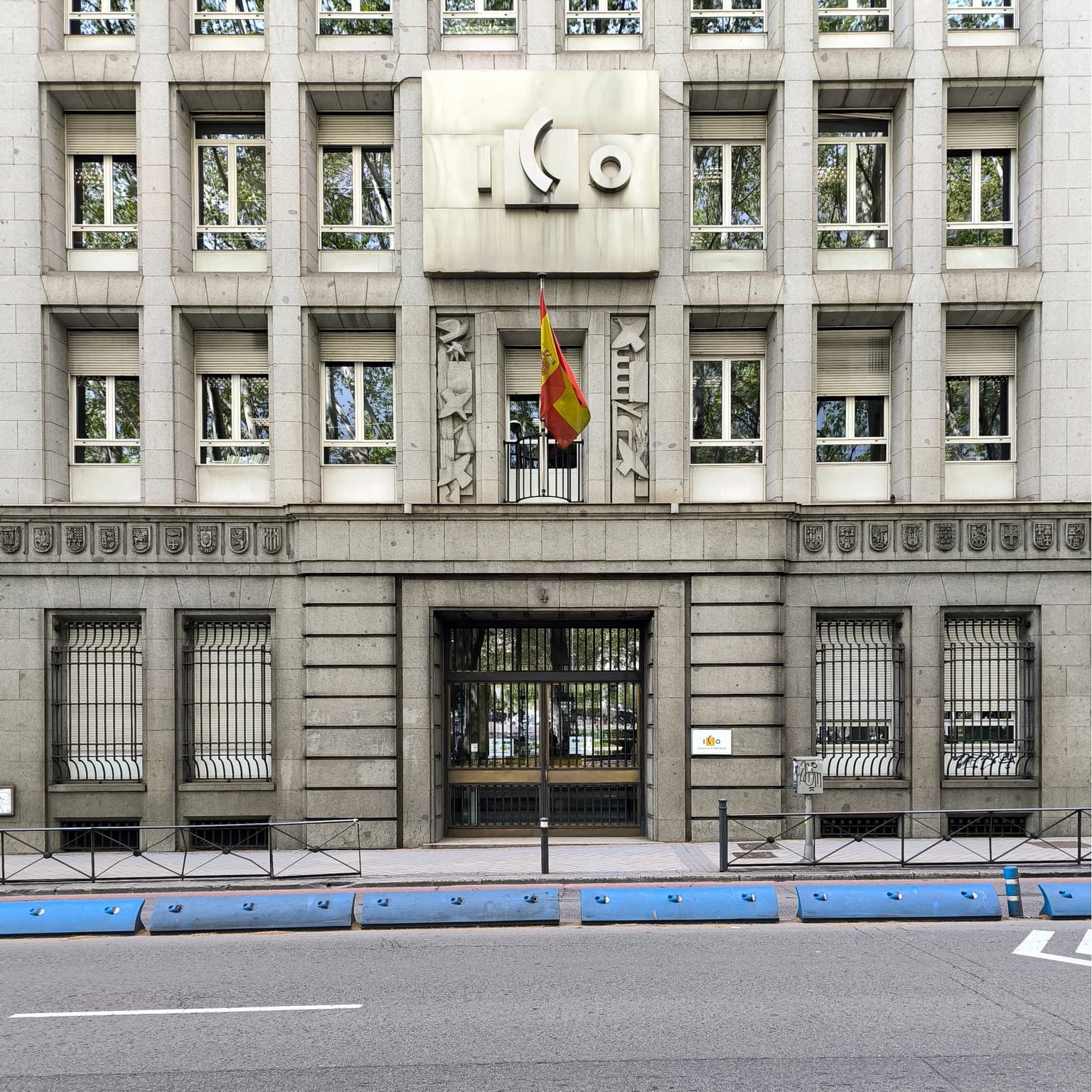
Banco Ciudad is leaning harder into Argentina’s mortgage comeback, trimming its new UVA loan rate to 6.5% after the government opened the door to longer-term bank funding — a move that could help turn a hot housing topic into a real financing market for first-time buyers.
Banco Ciudad cuts UVA mortgage rate to 6.5%

That matters because mortgages in Argentina are still scarce, and any improvement in funding costs can have an outsized effect on who can buy a home and how fast banks can grow lending. Gastón Rossi, a Banco Ciudad director, said the lender lowered the rate on new loans after the government’s funding announcement, and indicated ANSES financing should arrive in coming weeks to keep credit flowing. For borrowers, that could mean more stable access to inflation-linked UVA mortgages at a time when rents in Buenos Aires remain expensive enough to make ownership look relatively attractive.
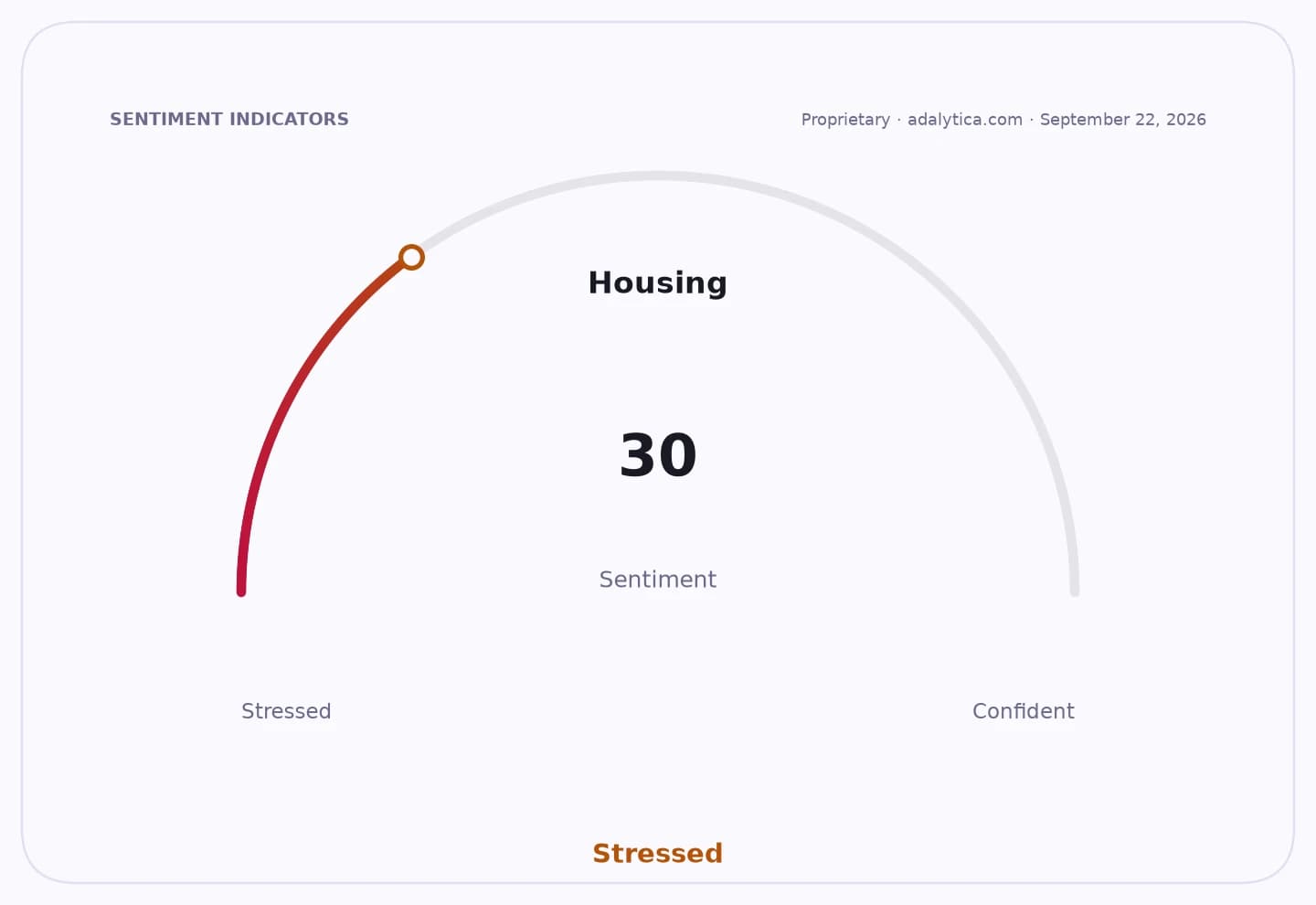
Sentiment IndicatorsⓘProprietary · adalytica.com · September 28, 2026
This is a snapshot — live sentiment, awareness and momentum for 130+ markets update continuously in the dashboard.Open AlphaPulse
The bank is pitching the loan as a practical alternative to renting. Rossi said a standard 100 million-peso mortgage over 25 years would imply a monthly payment of about 166,000 pesos, well below the average rent in the city. For a first home, Banco Ciudad is offering up to US$100,000, or roughly 150 million pesos, capped at 75% of the property value. That would translate into a payment near 980,000 pesos over 25 years and requires household income of about 4 million pesos.
Those thresholds show both the opportunity and the limitation of the current mortgage rebound. The product is still aimed squarely at formal, upper-middle-income households with enough documented earnings to qualify. The bank said it counts income from salaried workers and monotributistas, requires at least 12 months of registration with ARCA for the self-employed, and can process applications in 40 to 45 days once paperwork is complete. Buyers can live anywhere, but the property must be in Buenos Aires city, sharpening the focus on CABA’s housing market.
For investors, the more important story is that the mortgage business is becoming competitive again. Across the market, at least 12 institutions have lowered UVA mortgage rates to 7.5% or below, according to the broader lending backdrop, the strongest mortgage-credit growth since 2003. That is good news for banks that can originate loans cheaply and package long-duration assets, and it helps explain why lenders are moving fast to secure borrowers before the market tightens again.
Banco Ciudad’s move also reflects a wider economic shift. Lower mortgage rates only make sense if banks can match them with longer-term funding, and that is precisely what government support is trying to unlock. If ANSES and other institutional sources deliver as planned, mortgage supply could expand further, supporting housing demand, transaction volumes and related sectors from real estate to construction.
The catch is that Argentina’s inflation-linked structure still leaves households exposed to rising payments over time, even if the initial rate looks manageable. But for investors watching the housing cycle, the direction is clear: more funding, lower rates and rising competition are reviving a lending market that had been frozen for years. For now, Banco Ciudad’s 6.5% offer is worth watching as a sign that Argentina’s mortgage market may finally be building real momentum.
| Entity | Gains | Losses |
|---|---|---|
| Banco Ciudad | ▲More mortgage originations | ▼Lower yield per loan |
| Homebuyers | ▲Better access to credit | ▼High income hurdle |
| Renters | ▲Path to ownership | ▼Still rising payments |
| Competing banks | ▲Larger market grows | ▼Pressure to cut rates |