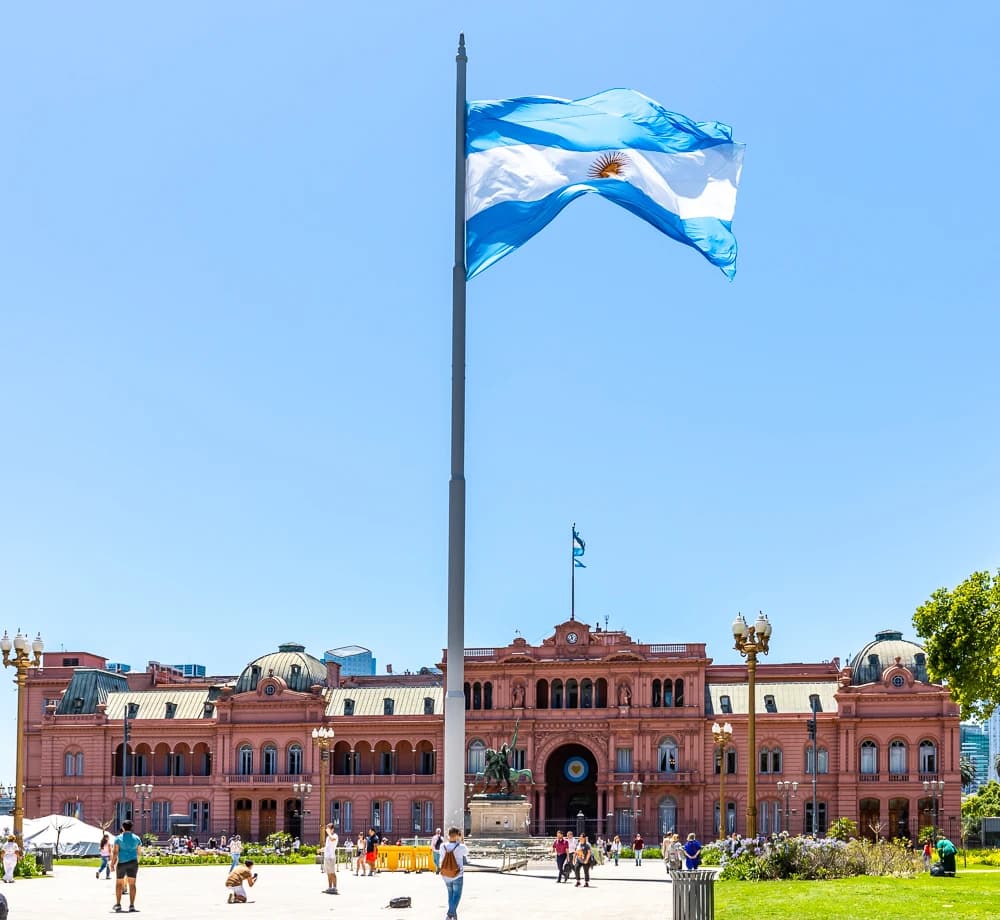
Axel Kicillof’s message to Wall Street was simple: Argentina’s biggest province wants capital, but not on Milei’s terms.
Argentina Buenos Aires Province Courts Investors in New York
The Buenos Aires governor spent his New York trip selling an alternative economic recipe to business leaders, academics and bondholders, underscoring how much of Argentina’s investment story still hinges on whether markets believe a different policy mix can coexist with the country’s push to regain credibility. For investors, that matters because Buenos Aires province is one of the country’s most important borrowers, and its financing needs are tied directly to the wider sovereign risk premium that continues to shape Argentine assets.
Sentiment IndicatorsⓘProprietary · adalytica.com · September 28, 2026
This is a snapshot — live sentiment, awareness and momentum for 130+ markets update continuously in the dashboard.Open AlphaPulse
Kicillof and his delegation met with potential investors as well as academics, according to the report, in an effort to keep Buenos Aires in the conversation as Argentina’s provinces and companies search for funding after years of volatility in local financial markets. That volatility is not just a backdrop — it is the reason foreign lenders demand such a steep risk premium in the first place, and why even routine refinancing can become a test of political resolve.
The market remains deeply sensitive to that risk. Argentina’s long-dated U.S. Treasury yield sits near 5.19%, while the two-year yield is around 4.88%, a reminder of how sticky global rates still are as borrowers compete for capital. Credit conditions are not especially forgiving either: the U.S. high-yield spread is about 2.80 percentage points, a sign that investors are still charging for default risk even when broader markets are upbeat.
That tension shows up clearly in Argentine equities and funds. The ARGT exchange-traded fund, a common proxy for the country, closed at $88.60 on Sept. 25, below both its 50-day moving average of $93.62 and its 200-day moving average of $92.42. Its RSI reading of 16.5 points to a deeply oversold tape, while the MACD remains negative. In other words, investors are not exactly pricing in a smooth funding story.
That’s where the politics matter. Kicillof’s New York outreach is not just about optics or ideology; it is about keeping channels open with bondholders and investors who will ultimately decide whether Argentina’s provinces can refinance debt at tolerable rates. Buenos Aires province, like other Argentine borrowers, still lives under the shadow of the country’s macro track record, and every attempt to pitch an “alternative” model is also a bid to reassure capital that the numbers can eventually work.
There is a broader lesson for investors here. Argentina’s opportunity is real — a large domestic market, natural resources and pent-up demand for funding — but the entry point depends on political coherence and debt discipline. If Kicillof can persuade investors that his province can remain creditworthy even with a different policy mix from President Javier Milei’s, the implication would reach well beyond one provincial trip. It would shape how lenders price Argentine risk, how much appetite exists for local bonds, and whether the country can widen its financing options without another painful reset.
For now, the trip is worth watching, not because it changes Argentina overnight, but because it shows where the next chapter of the country’s capital-markets story is being negotiated: not only in Buenos Aires, but in New York.
| Entity | Gains | Losses |
|---|---|---|
| Buenos Aires province | ▲Investor access | ▼Financing stigma |
| Bondholders/investors | ▲Fresh deal flow | ▼Policy uncertainty |
| Milei administration | ▲Less immediate pressure | ▼Monopoly on reform narrative |
| Argentine assets | ▲Potential re-rating | ▼Higher risk premium |