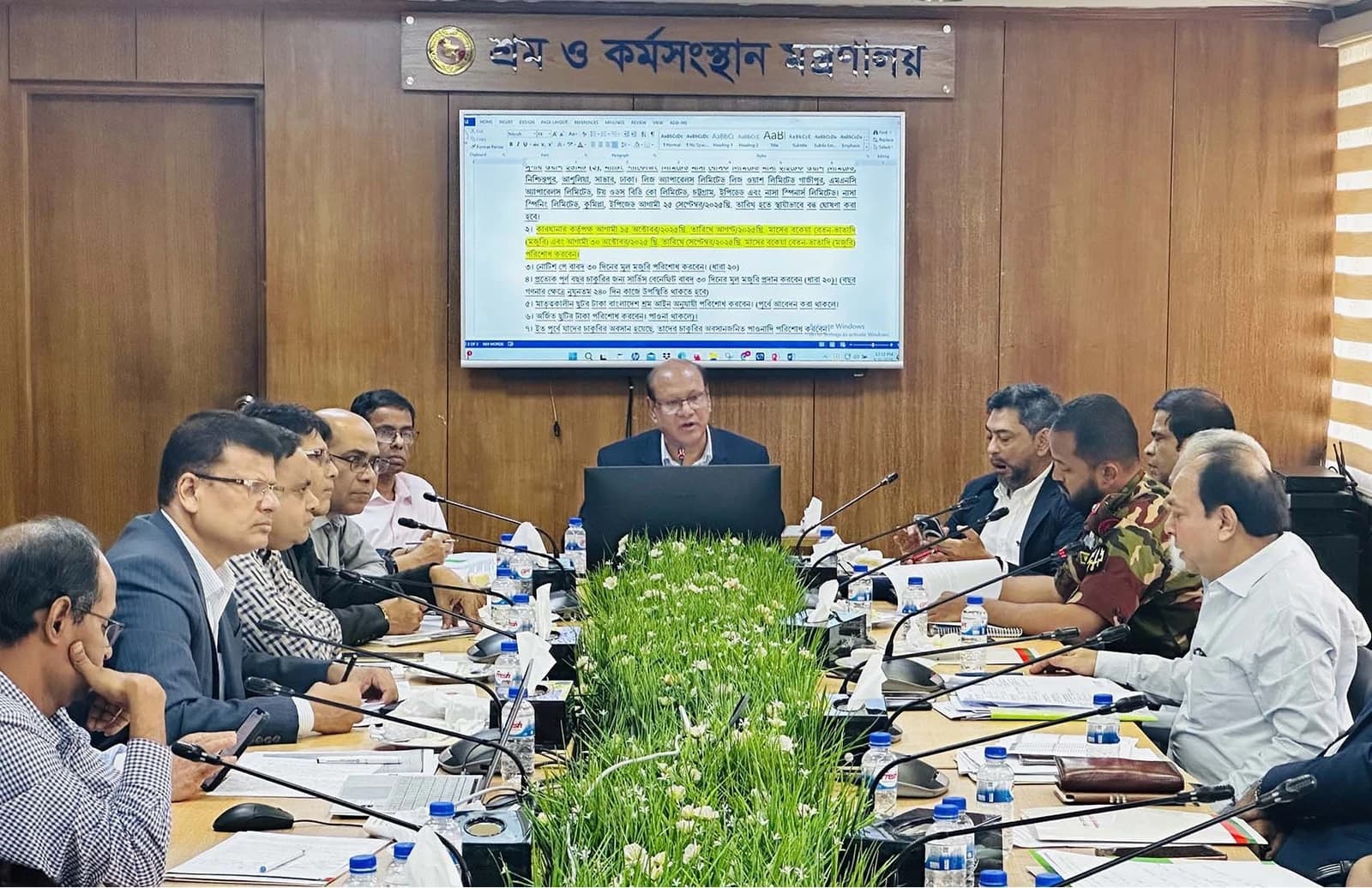
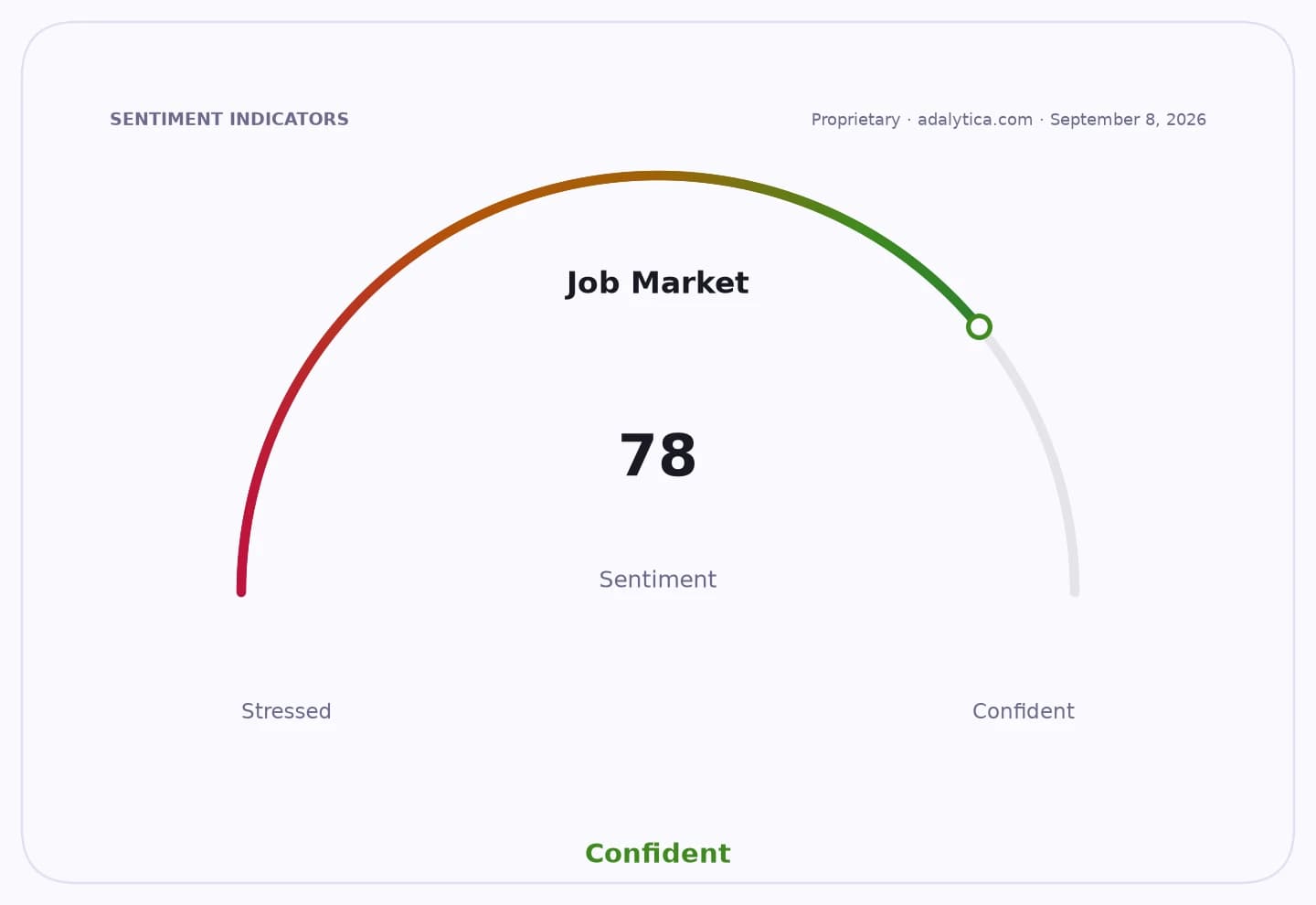
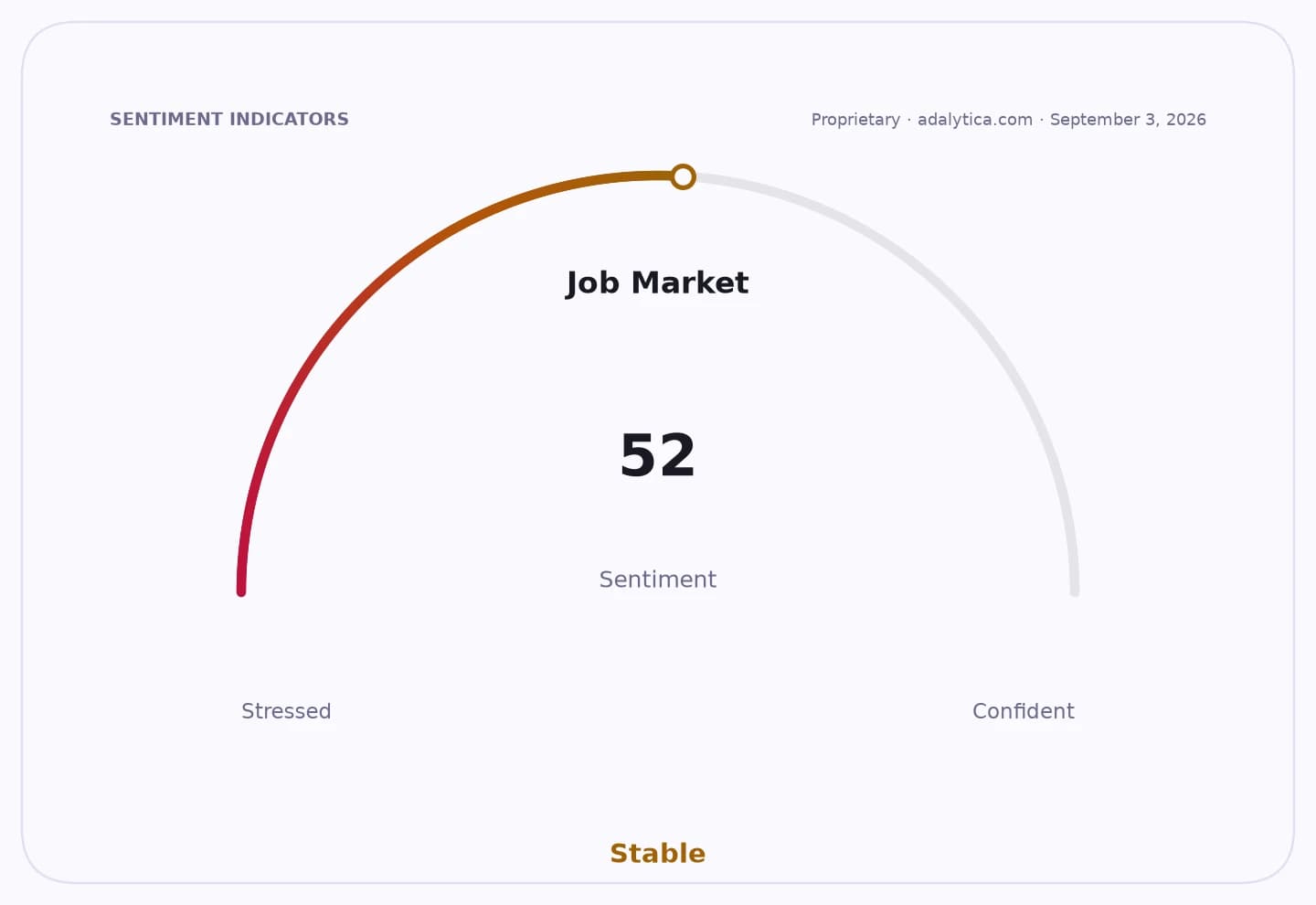
Bangladesh’s government is stepping up efforts to create more jobs at home and overseas, framing employment generation as both a domestic growth priority and a source of foreign earnings at a time when pressure on the labor market remains a central economic concern.
Bangladesh steps up jobs and overseas training push
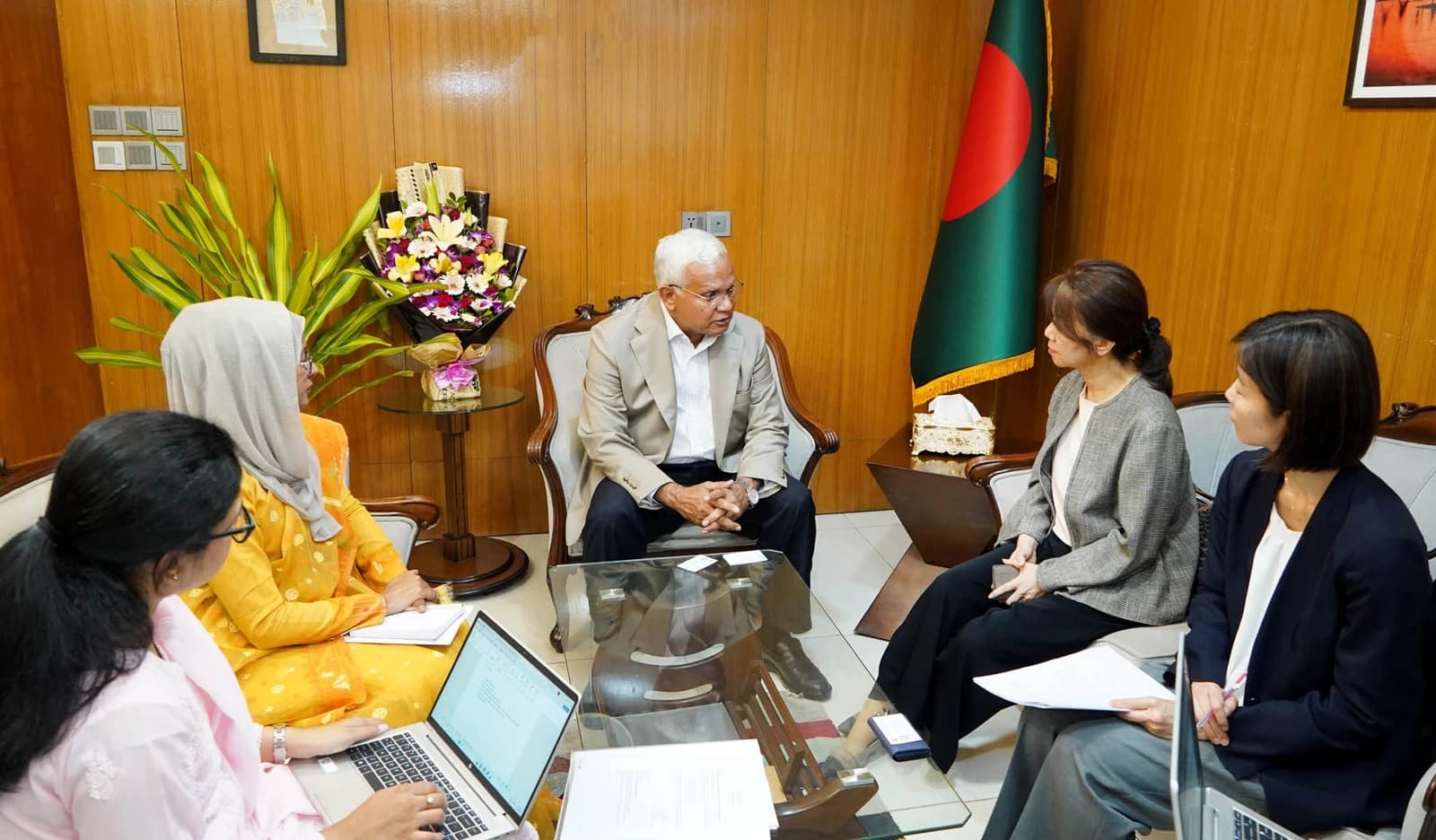
Social Welfare Minister Professor A.Z.M. Jahid Hossain said on Friday the state is rolling out training programs to turn young people into skilled workers and is working to expand job opportunities for trained men and women in Bangladesh and abroad. He also said support is being provided for new entrepreneurs and small businesses, while the government tries to ensure farmers receive fair prices for their output.
Sentiment IndicatorsⓘProprietary · adalytica.com · October 1, 2026
This is a snapshot — live sentiment, awareness and momentum for 130+ markets update continuously in the dashboard.Open AlphaPulse
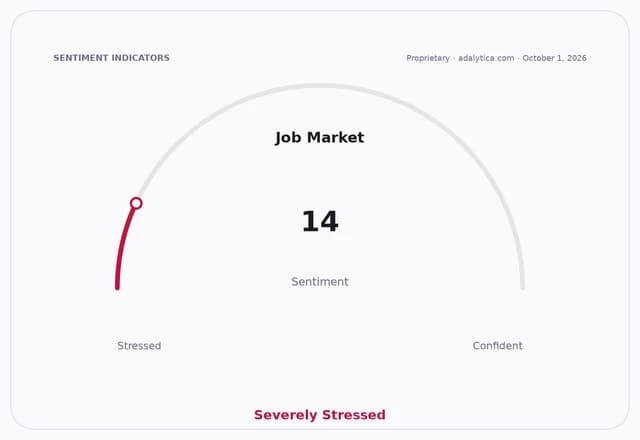
The message matters because Bangladesh’s growth model still depends heavily on labor absorption, remittances and the rural economy. Creating more jobs outside the formal urban sector is critical for reducing unemployment and underemployment among educated workers, while better returns for farmers can support household incomes, consumption and broader demand in the economy.
The employment push also reflects a policy shift toward making the labor force more portable. Training programs can improve employability in overseas markets, where remittances remain an important external buffer, but they also help ease pressure on the domestic job market if local private-sector hiring remains uneven. That balance is increasingly important as governments across emerging markets try to convert population growth into a demographic dividend rather than a fiscal and social burden.
The minister’s remarks came during a meeting in Nawabganj upazila in Dinajpur, where local representatives, teachers and community figures discussed development, jobs and farmers’ interests. His comments on agriculture were as economically relevant as his remarks on employment: Bangladesh’s rural households still account for a large share of consumption, and policies that protect farmgate prices can have an immediate impact on living standards and food supply stability.
For investors and policymakers, the significance lies in execution. Training schemes can help only if they are tied to real hiring channels, both in export labor markets and in domestic industries able to absorb skilled workers. Support for small businesses can widen the base of employment, but it also depends on access to credit, infrastructure and demand. If the government can turn these pledges into measurable job creation, it would support household income growth and reduce reliance on low-productivity work. If not, the employment gap will remain a drag on growth and a recurring policy challenge.
| Entity | Gains | Losses |
|---|---|---|
| Jobseekers and trainees | ▲More hiring channels | ▼Persistent underemployment |
| Rural farmers | ▲Better price support | ▼Weak farmgate bargaining power |
| Small businesses | ▲More policy support | ▼Financing constraints |
| Govt and economy | ▲Higher employment, remittances | ▼Pressure if programs fail |