Formal employment in the Dominican Republic has climbed to its highest level in decades, a shift that matters because it expands the tax base, strengthens household balance sheets and points to a more durable growth model built on higher-quality jobs rather than sheer headcount.
Dominican Republic Formal Employment Hits 2025 High
The government said the national formalization rate reached 45.9% at the end of 2025, up from 41.9% in 2021, with more than 200,000 workers gaining access to health insurance and pension contributions over that period. For investors and policymakers, the more important detail is that the gains are broadening beyond headline employment: women and young workers are entering formal jobs at faster rates, which tends to lock in higher lifetime earnings, stronger consumption and lower labor-market churn.
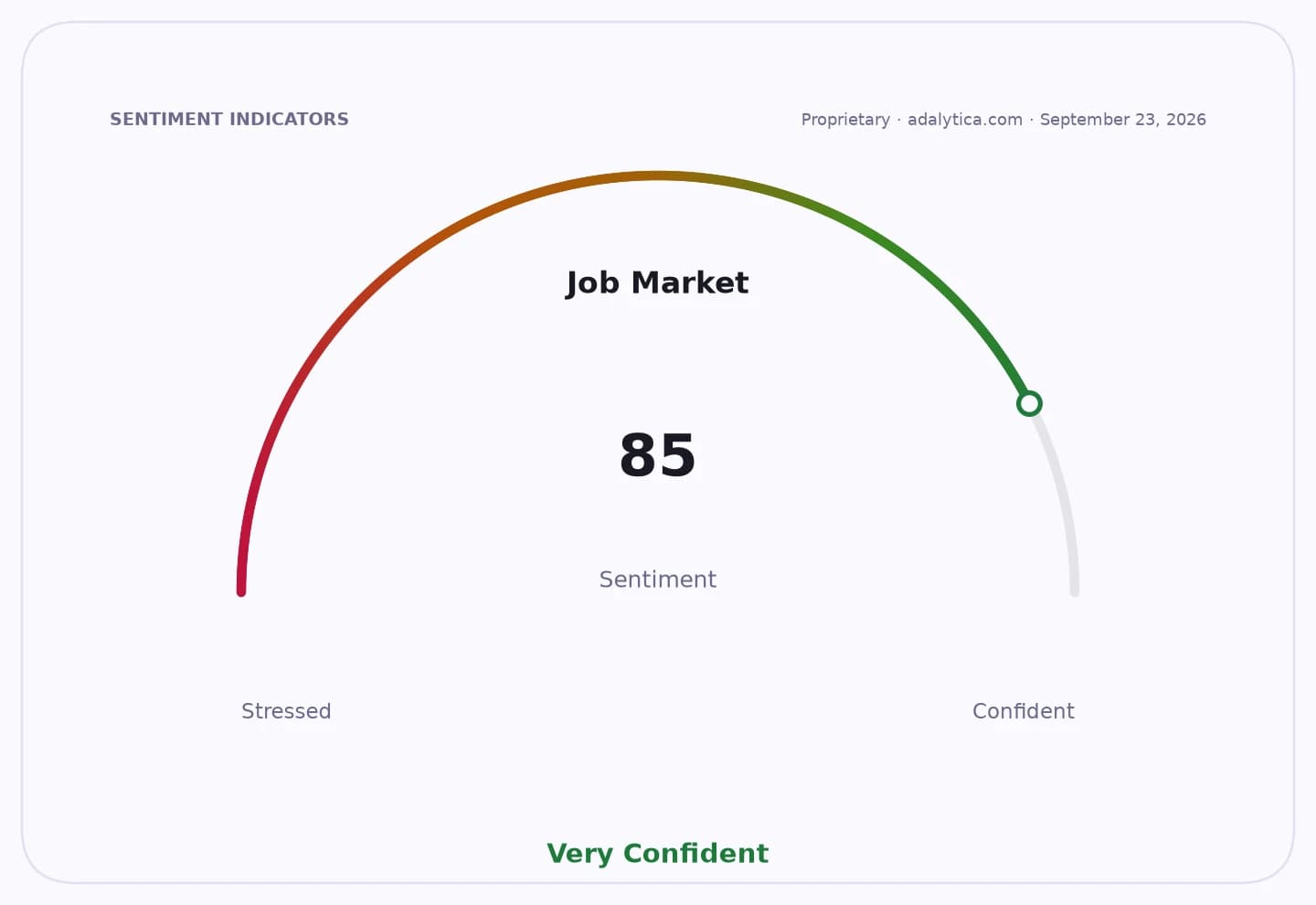
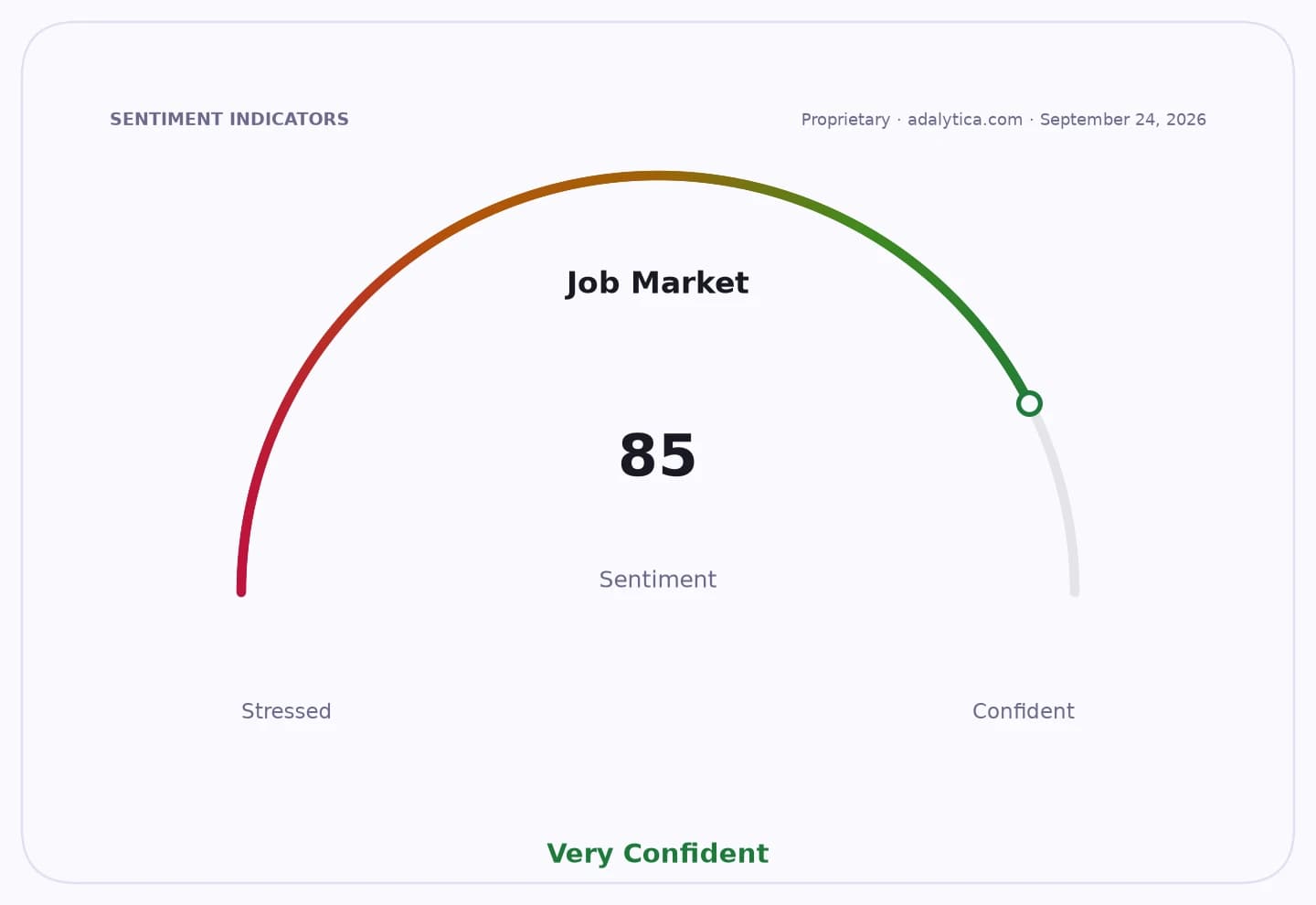
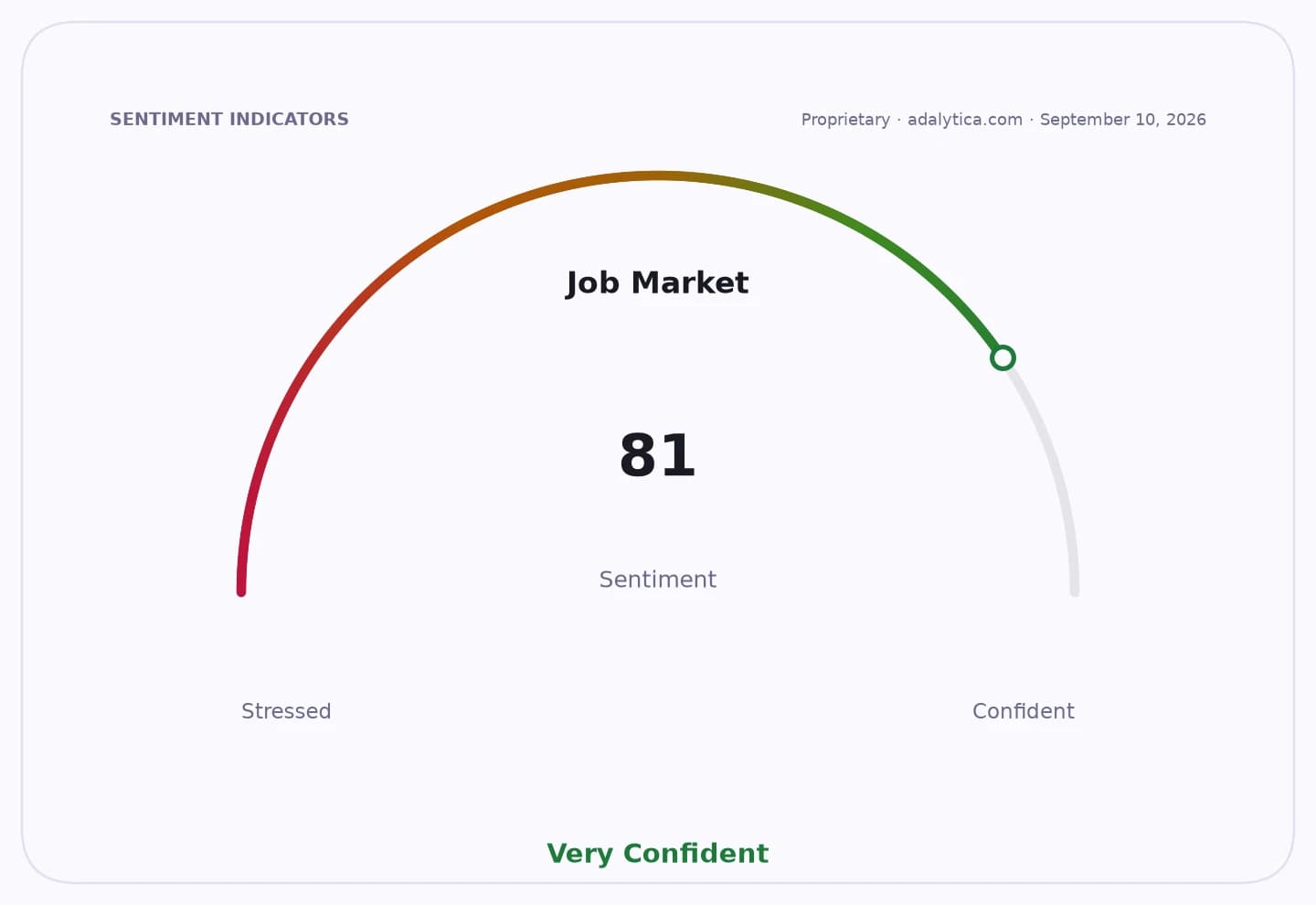
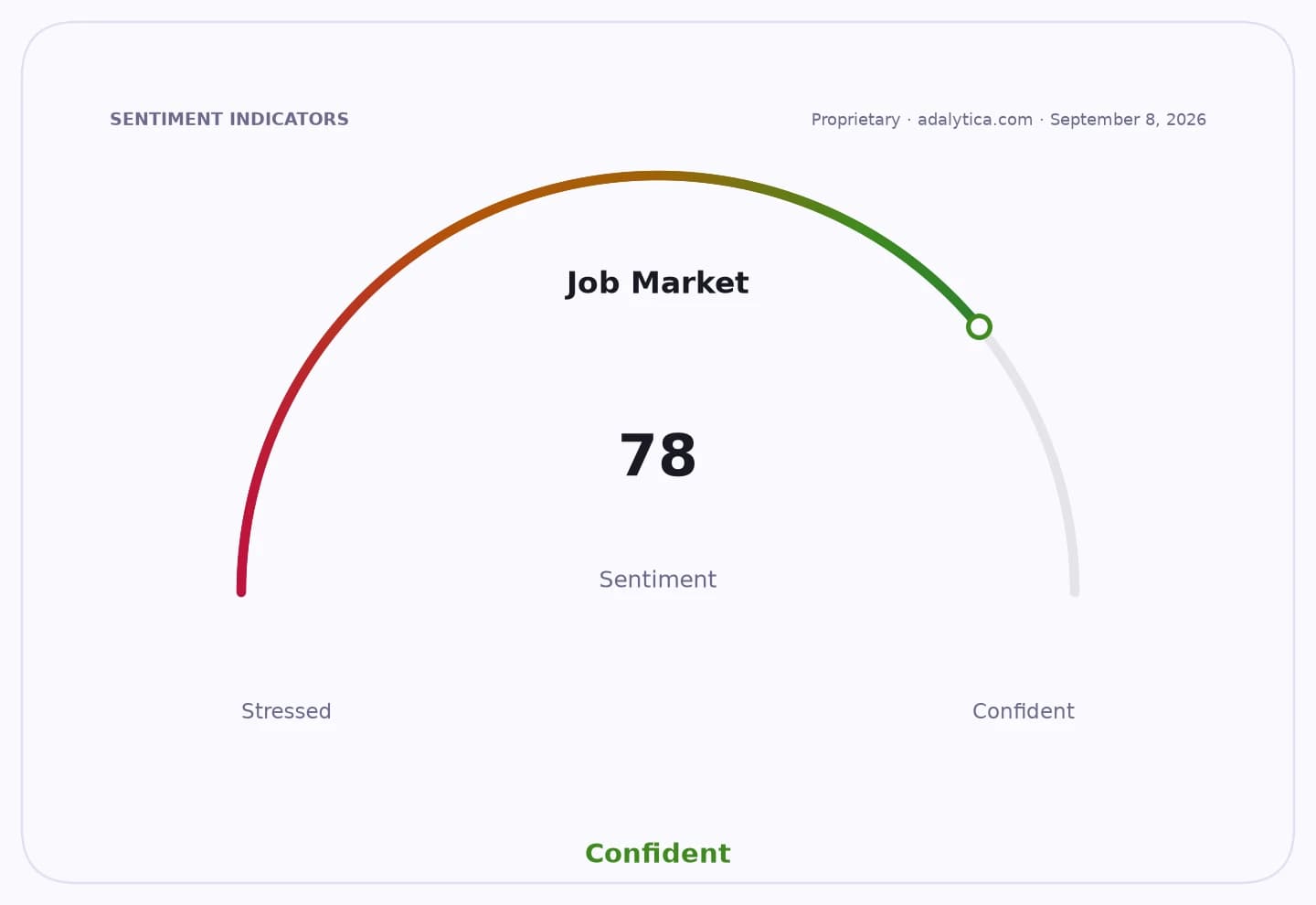
Sentiment IndicatorsⓘProprietary · adalytica.com · September 8, 2026
This is a snapshot — live sentiment, awareness and momentum for 130+ markets update continuously in the dashboard.Open AlphaPulse
That shift is economically significant because formal jobs are the plumbing of a modern economy. They generate regular income, support credit growth, lift social-security contributions and reduce the fiscal drag of informality. In a labor market of 5.2 million employed people, every point of formalization changes the quality of demand. It is no accident the private sector formalization rate has risen to 39.1% from 34.7% in 2021, while the government is projecting further gains into 2026 as economic growth continues to support hiring.
The clearest evidence of a structural change is in the small-business segment, where informality is usually deepest. Formal employment in mipymes rose to 921,400 from 675,300 in 2020, while the number of firms with one to 50 employees increased to 107,571 from 86,570 in 2019. That tells us the formalization story is not just about large companies hiring more workers; it is about the institutionalization of the business base itself. That is what creates a longer runway for consumption, payroll-processing, banking and insurance demand.
Women are the standout beneficiaries. Female labor-force participation has crossed 51.1% for the first time, up from 47% in 2019, and formal employment among women stands at 52.3%, above the national average. That matters because women with stable, documented income are far more likely to use the formal financial system, build savings and support broader domestic demand. The market often underestimates how powerful this is: formal labor participation by women is one of the cleanest long-term indicators of an economy moving up the development curve.
Young workers are another critical inflection point. Youth unemployment has eased to 12.4% from 15.7% in 2019, but the bigger change is that first jobs are becoming formal earlier in life. Among workers aged 15 to 19, formal employment rose to 27% from 18% in 2021. In the 20 to 24 age group, it increased to 53% from 46%. That matters because a formal first job often determines whether a worker stays in the formal economy for years. Once that habit is established, it supports better productivity, more stable consumption and a healthier pension system.
For investors, the opportunity is in the second-order winners. Payroll processors, staffing firms, benefits administrators, insurers, banks and consumer lenders all benefit when more workers move onto the books. Public companies such as ADP, Paychex and Manpower trade on U.S. labor trends, but the same operating model applies in emerging markets: formalization creates recurring fees, richer data and more predictable cash flow. The market is still prone to viewing formalization as a social statistic. It is also a revenue engine.
The broader message is that the Dominican Republic is not just creating jobs; it is upgrading them. If formalization keeps rising toward the government’s 50% target, the country should see stronger productivity, more resilient household spending and a better investment climate. The real trade is to position early for the institutions that monetize formality, because once labor enters the system, the financial and commercial benefits compound.
| Entity | Gains | Losses |
|---|---|---|
| Formal workers | ▲Health and pension access | ▼Informal job insecurity |
| Women and young people | ▲Higher-quality entry jobs | ▼Wage and coverage gaps |
| Payroll, staffing and benefits firms | ▲More recurring revenue | ▼Reliance on informality |
| Informal employers | ▲— | ▼Higher compliance pressure |