Continuous rain in Bangladesh’s Kurigram district is hitting farmers at the most vulnerable point in the aman rice harvest, threatening both grain quality and income just as cutting begins across 121,000 hectares of planted land.
Bangladesh Kurigram rain hits aman rice harvest

The immediate risk is economic rather than just agricultural: once harvested paddy is left wet on the ground, it can deteriorate quickly, reducing milling quality, storage life and the price farmers can fetch in the market. For growers already carrying the cost of land preparation, seed, fertilizer, pesticides and labor, even a modest drop in quality can determine whether the season covers cash outlays or ends in a loss.
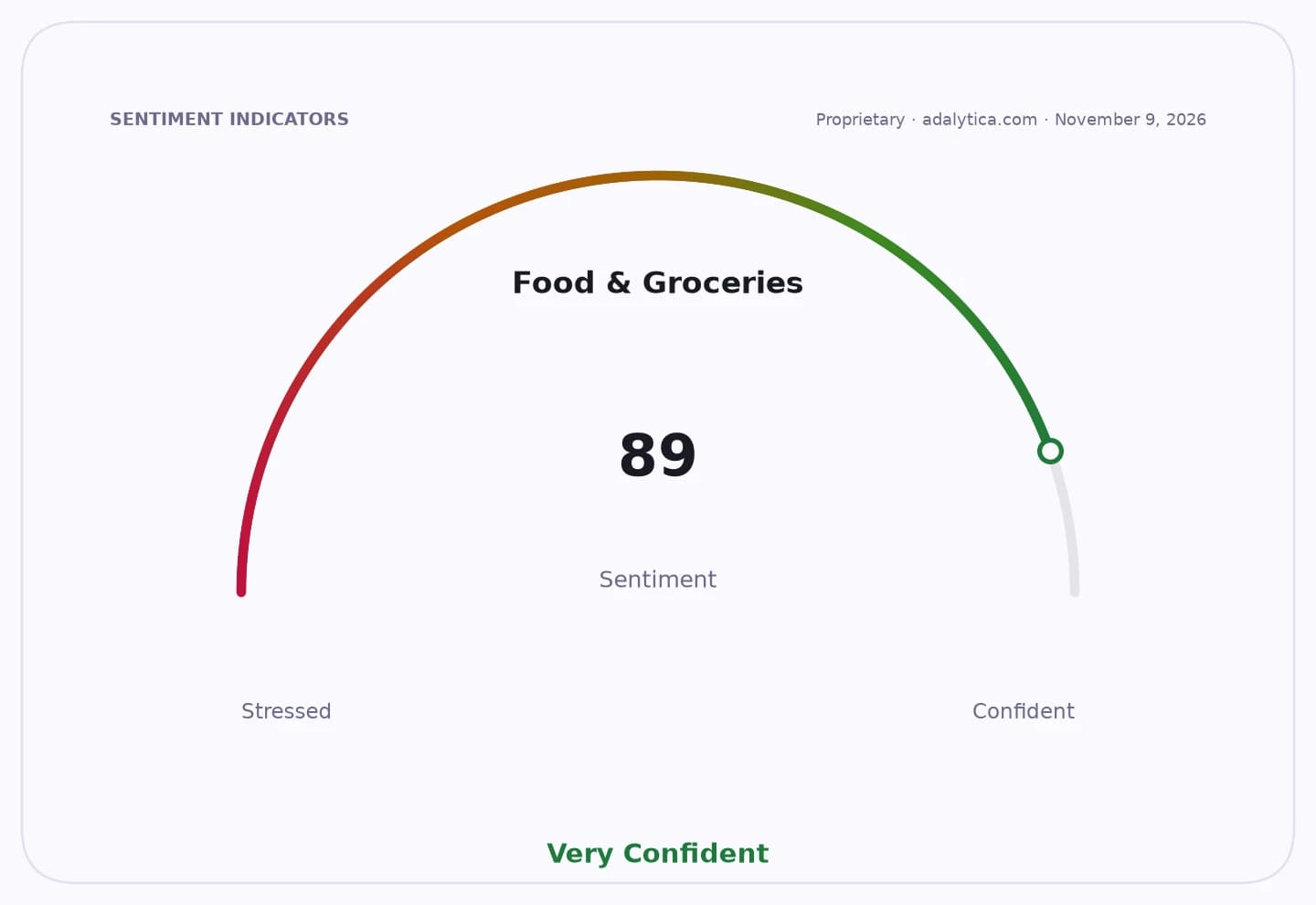
Sentiment Indicators
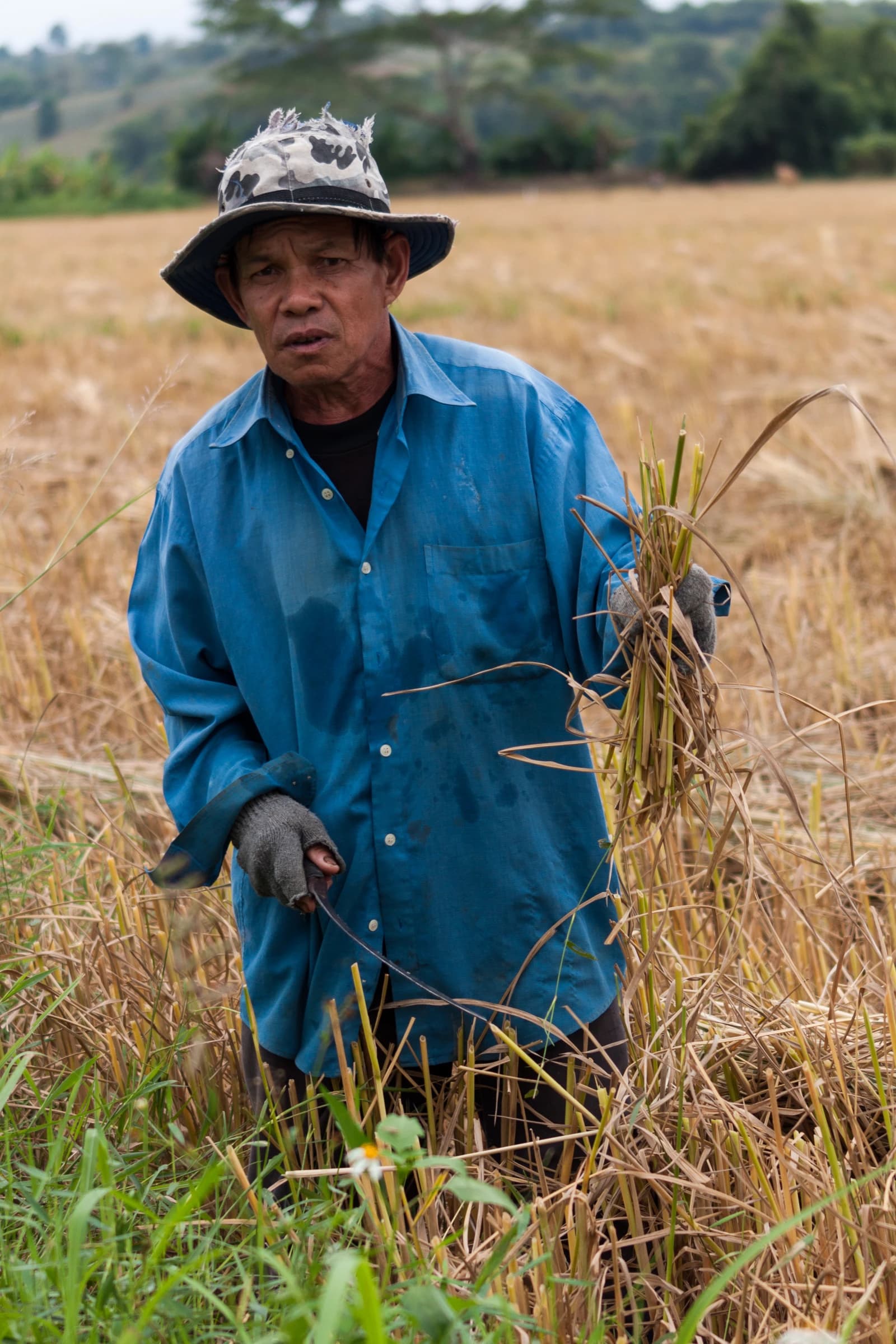
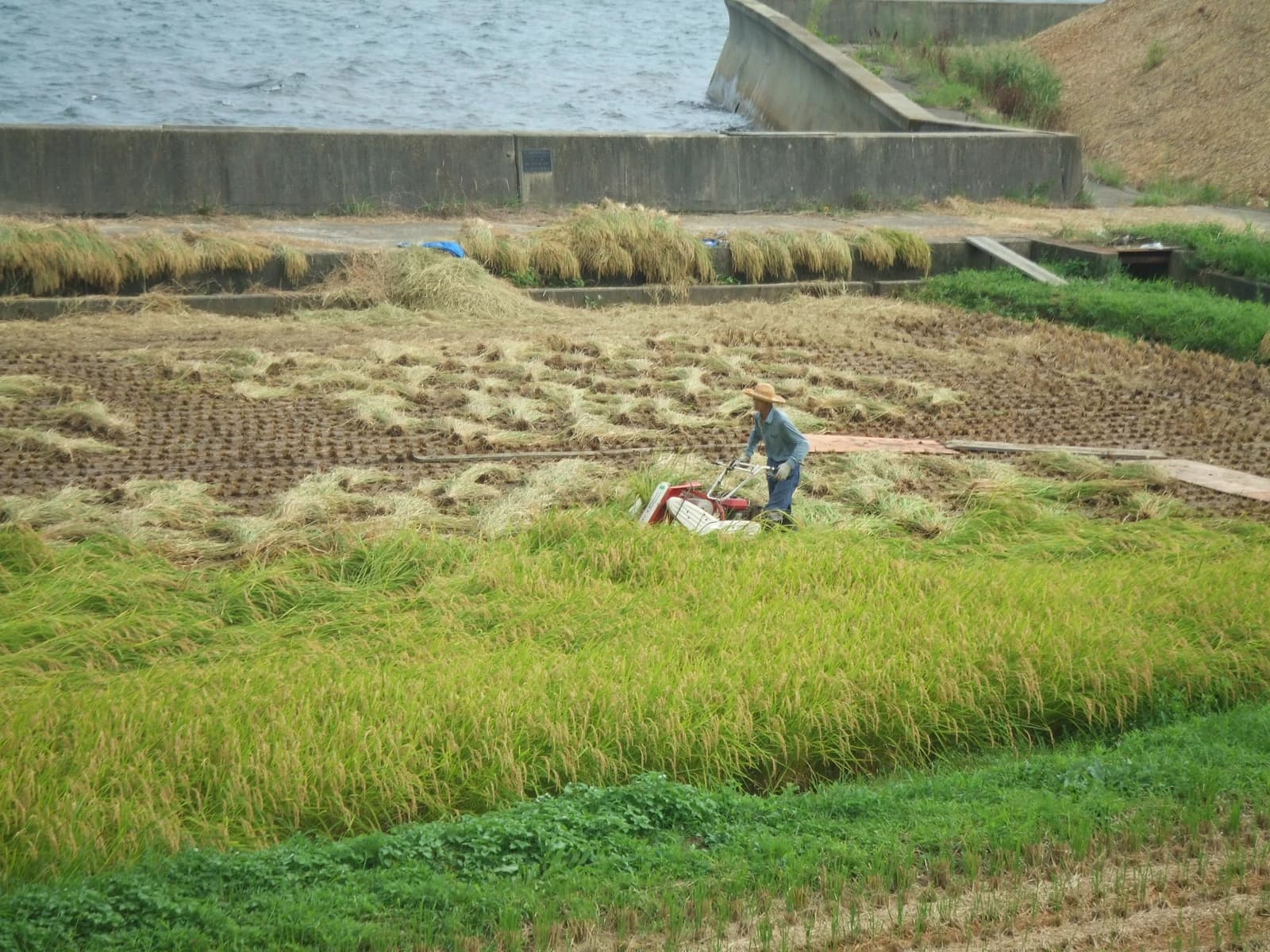
Farmers in Nageshwari and nearby areas said paddy that had been cut and spread out to dry was soaked again over the past two days, while in some low-lying plots the harvested stalks were sitting in standing water. That creates a double hit. It raises the risk of post-harvest losses now, and it forces farmers to spend more on transport, drying and threshing at a time when they are least able to absorb it.
Kurigram’s agricultural office said full-scale harvesting is underway across the district, but the weather has turned the process into a race against rain. The local meteorological office recorded 7 millimeters of rainfall in the past 24 hours and said conditions may improve in coming days, but for farmers already exposed to the last two days of drizzle, any delay can further erode crop value.
The broader issue is that rice harvests in flood-prone northern Bangladesh remain highly exposed to weather swings even when the crop itself has matured. In a region where many households depend on a single major paddy cycle for annual income, harvest-time rain can ripple through rural spending, debt repayment and local trade. If quality slips across multiple plots, the impact is felt not only by farm families but also by millers, traders and consumers in the supply chain.
For investors and commodity watchers, the story matters because it underscores how weather stress can tighten local rice availability and lift procurement uncertainty even when planted area is substantial. The near-term outlook now hinges on whether rainfall eases fast enough for farmers to bring in and dry the crop before more of it is downgraded.
| Entity | Gains | Losses |
|---|---|---|
| Rice traders/millers | ▲Potentially cheaper distressed buying | ▼Lower grain quality |
| Farmers in Kurigram | ▲Little to none | ▼Post-harvest losses, lower income |
| Local consumers | ▲Possible near-term supply stability if harvest continues | ▼Risk of tighter rice pricing |
| Weather-improved harvest window | ▲Faster drying and threshing | ▼Rain-affected crops remaining in fields |