Bangladesh has already used up about 45% of its annual electricity and LNG subsidy budget in the first three months of the fiscal year, as surging global fuel prices and supply disruptions tied to the Middle East conflict force the government to pour more money into keeping the power system running.
Bangladesh subsidy spending rises on LNG costs
The pace of spending is straining a budget already built on assumptions that LNG prices would ease and shipping routes would normalize. Instead, the subsidy bill is rising faster than planned, threatening wider fiscal pressure at a time when the state is also trying to contain inflation and protect consumer fuel prices.
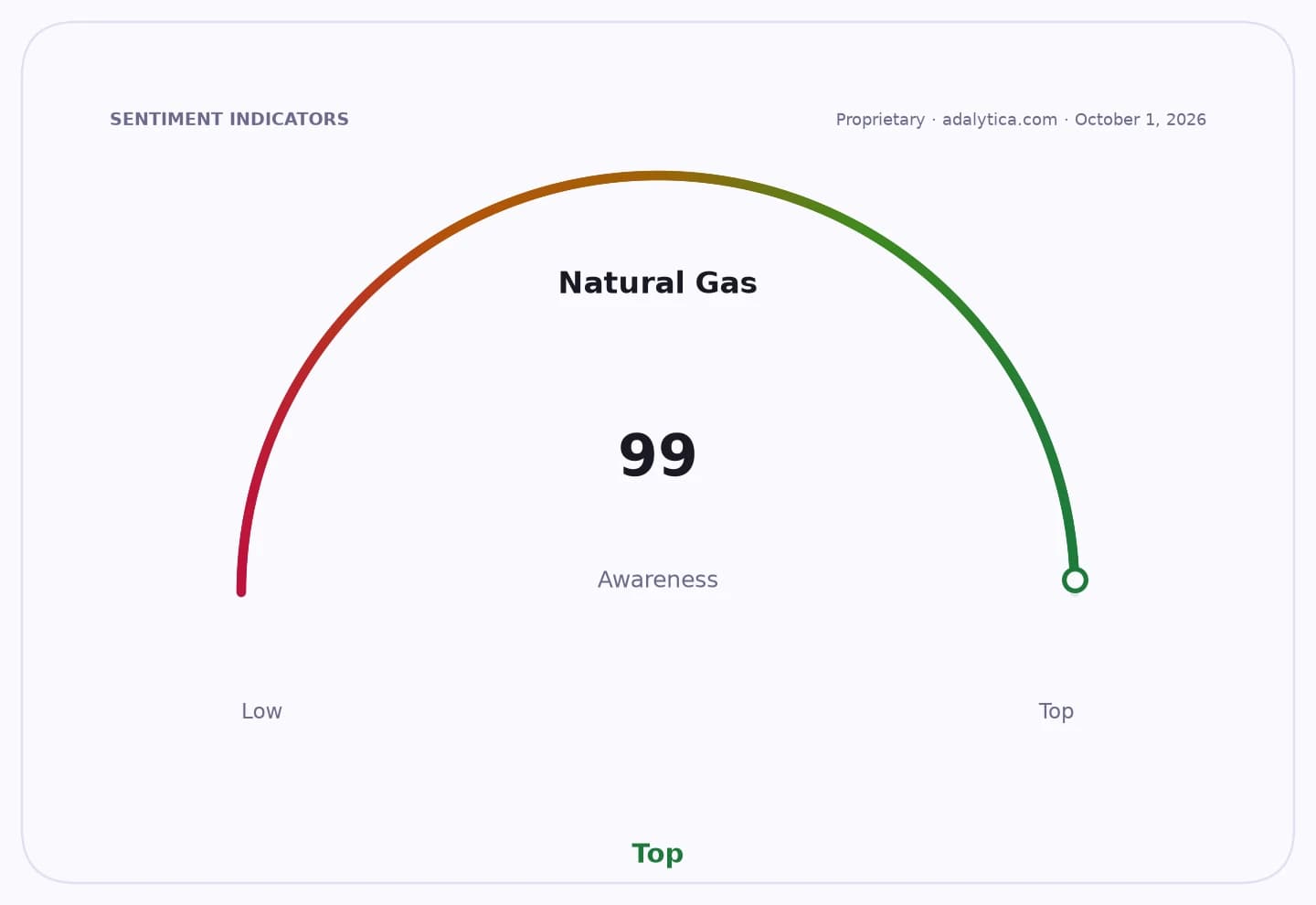
Sentiment IndicatorsⓘProprietary · adalytica.com · October 2, 2026
This is a snapshot — live sentiment, awareness and momentum for 130+ markets update continuously in the dashboard.Open AlphaPulse
The finance ministry has released nearly 19,000 crore taka for electricity and LNG subsidies out of the 42,000 crore taka set aside for the full year, according to government sources. A fresh 7,952 crore taka disbursement this week — 4,952 crore taka for August electricity subsidies and 3,000 crore taka for September LNG imports — was about 127% of the combined monthly allocation of 3,500 crore taka.
Officials say July alone also brought more than 11,000 crore taka in support for electricity and LNG. At that pace, total LNG subsidies could hit 40,000 crore taka this fiscal year, far above the 6,000 crore taka initially budgeted, while power subsidies could climb to 50,000 crore taka from 43,100 crore taka last year.
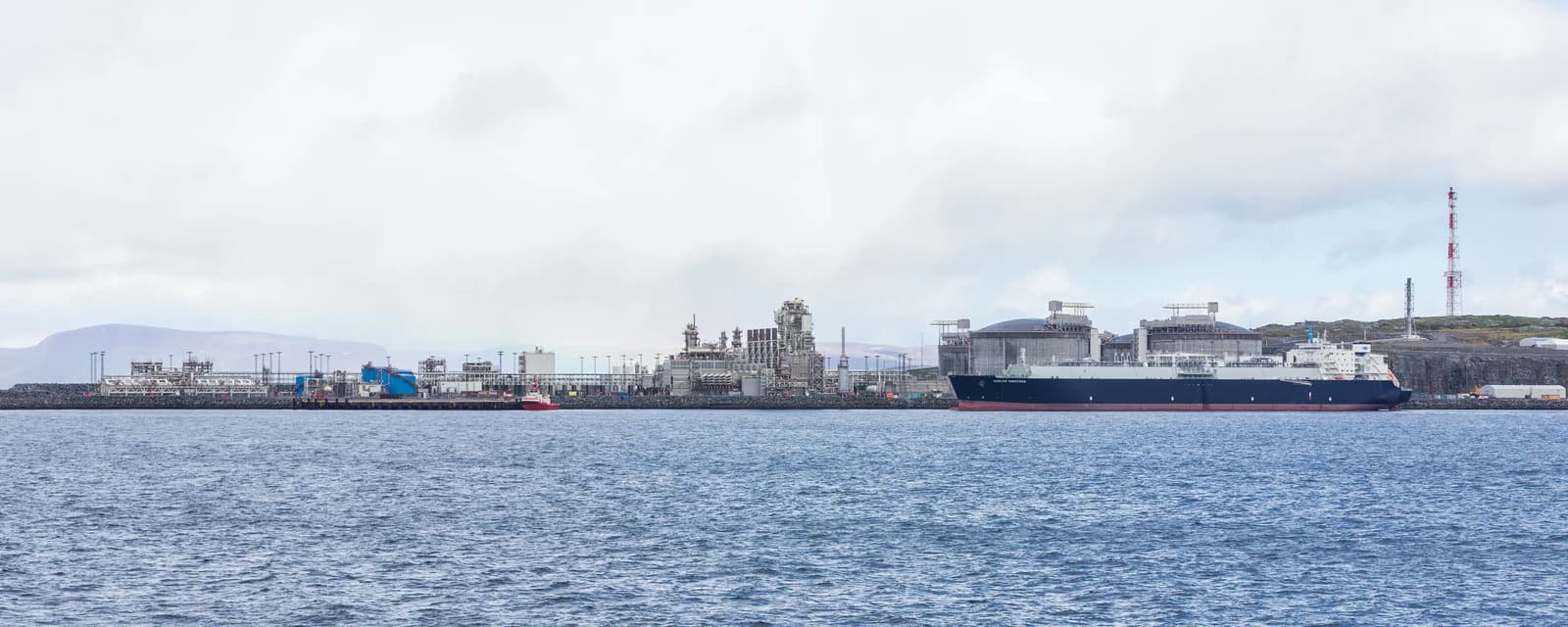
The pressure is being driven by a jump in LNG import costs after disruptions in the Strait of Hormuz and lower-than-expected volumes under long-term contracts. Qatar has invoked force majeure on some contractual obligations, pushing Bangladesh back into the spot market, where mid-month cargoes reportedly cost about $30 per million British thermal units, nearly three times the prewar level of $11 to $12.
That matters for investors because higher imported fuel costs raise Bangladesh’s fiscal deficit risk, complicate power-sector cash flow and can spill over into inflation, energy pricing and the external account. The government has already raised all fuel prices by 20 taka per liter from Sept. 21, but officials say it does not currently plan subsidies for petroleum imports and instead wants pricing formulas aligned with prior debt and dynamic pricing rules.
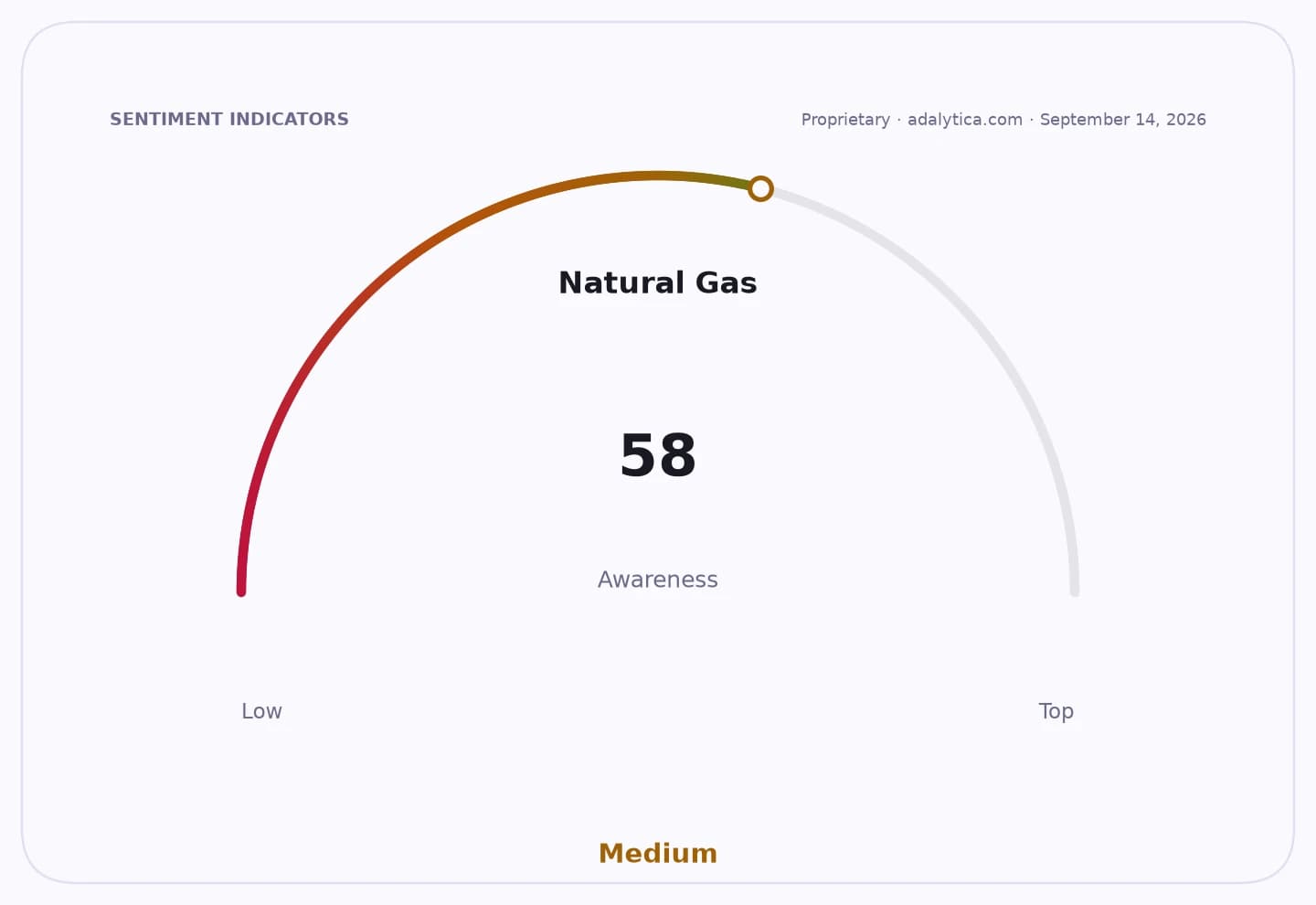
For global energy markets, the story underscores how geopolitical shocks are still feeding through to LNG demand and pricing, even as oil benchmarks and energy ETFs remain volatile. Conventional technical indicators on the XLE energy fund show the ETF recently rebounded above its 50-day moving average but remains choppy, while natural gas trade signals tracked by Adalytica.com are flashing extreme greed, reflecting the market’s sensitivity to supply risk.
The next trigger will be whether Middle East tensions ease enough to reduce spot LNG costs, or whether Bangladesh is forced to revise its subsidy assumptions again before the fiscal year is over.
| Entity | Gains | Losses |
|---|---|---|
| LNG exporters/sellers | ▲Higher spot prices | ▼Buyers’ affordability |
| Bangladesh government | ▲Short-term fuel supply stability | ▼Fiscal room |
| Consumers | ▲Continued electricity supply | ▼Higher subsidy burden |
| Energy markets | ▲Price support from disruptions | ▼Demand predictability |