Bank Mandiri’s decision to accept shares in Jhonlin Agro Raya and Pradiksi Gunatama as loan collateral has put a spotlight on a simple but important question for investors: how much are those shares really worth if the market turns against them?
Bank Mandiri Accepts JARR and PGUN Shares as Collateral
The issue matters because stock-backed lending is only as strong as the collateral behind it. If share prices fall sharply, banks can demand more collateral or unwind the arrangement, which is why lenders typically rely on loan-to-value limits, daily monitoring and margin calls. That is standard banking practice, but it becomes especially sensitive when the pledged assets are closely linked to a powerful business group and when the loan is being discussed alongside a multitrillion-rupiah acquisition.
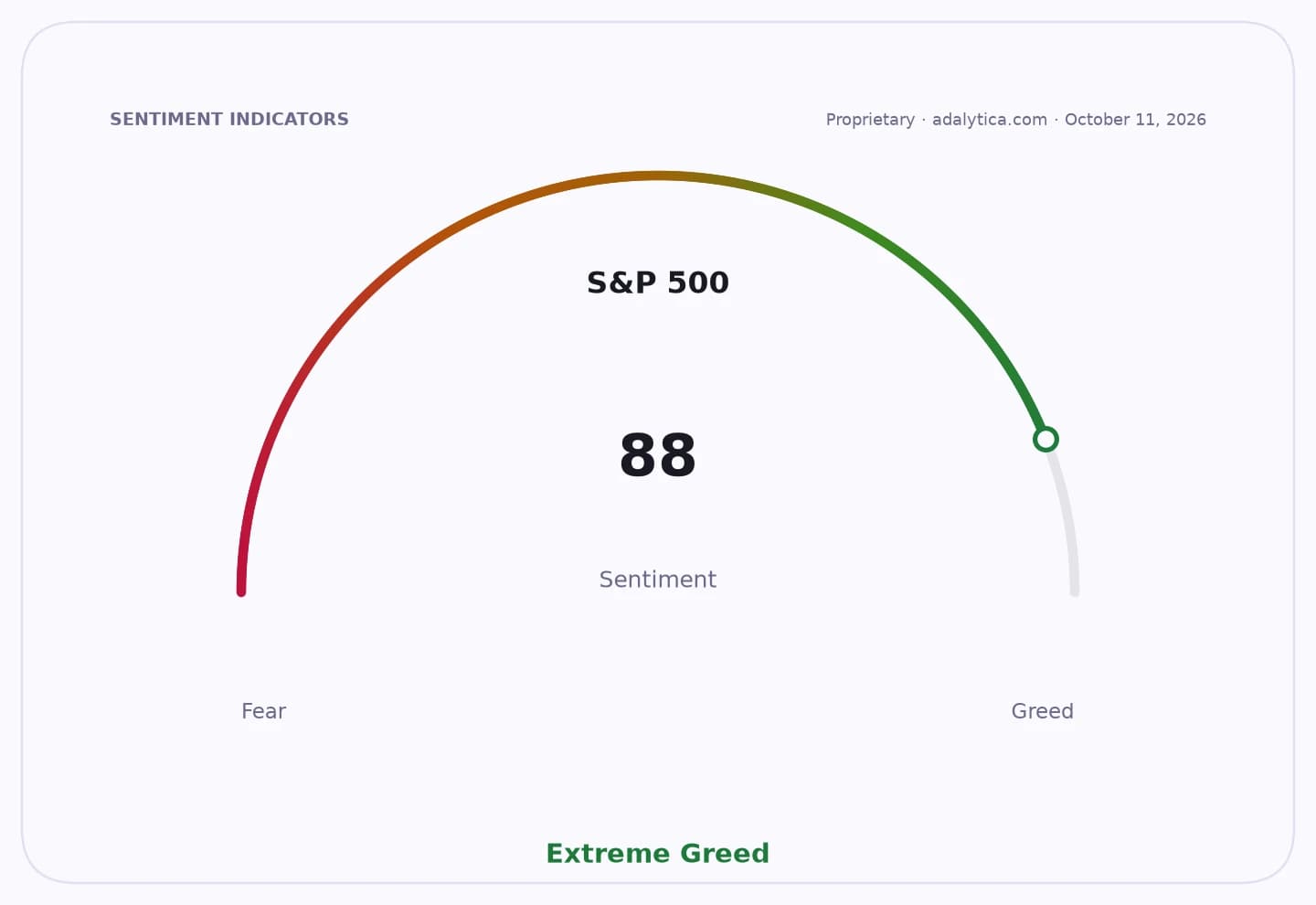
Sentiment IndicatorsⓘProprietary · adalytica.com · October 17, 2026
This is a snapshot — live sentiment, awareness and momentum for 130+ markets update continuously in the dashboard.Open AlphaPulse
In this case, the collateral debate has spilled beyond the banking sector and into the equity market because the loans are tied to companies associated with Haji Isam, whose planned 30.25% purchase of Bayan Resources is estimated at about Rp26.1 trillion. That kind of deal raises the stakes for creditors, counterparties and minority investors alike: if financing is ample and collateral is accepted readily, it can support control transactions and expansion; if collateral values wobble, it can quickly become a source of stress.
For long-term investors, the real lesson is not about whether share pledges are unusual — they are not — but about discipline. Banks with large balance sheets can manage this risk, yet the market will still watch whether the collateral remains liquid, whether prices stay stable and whether the lender is forced to tighten terms. The broader backdrop also matters: credit conditions are under scrutiny globally, and investors are paying closer attention to how lenders manage downside when asset values are the first line of defense.
For now, the story is less about a crisis than about transparency and risk control. Investors should watch how this financing develops, how the pledged shares trade, and whether the related acquisition proceeds without forcing any abrupt reassessment of value. In markets, collateral only looks boring until it suddenly isn’t.
| Entity | Gains | Losses |
|---|---|---|
| Bank Mandiri | ▲Secured lending income | ▼Collateral value risk |
| JARR and PGUN shareholders | ▲Funding support | ▼Dilution of perceived safety |
| Haji Isam/Bayan deal | ▲Easier financing path | ▼Greater scrutiny |
| Minority investors | ▲Clarity on leverage | ▼Higher volatility risk |