Higher oil and gas prices are forcing investors to rethink how long the Bank of England can keep policy on hold, with Bank of America now calling for two quarter-point rate increases over the next six months.
Bank of England Hike Bets Rise on Energy Prices
The move matters because it shifts the near-term debate in UK rates from timing cuts to whether the BoE will need to tighten again before inflation is back under control. BofA expects the central bank to raise borrowing costs in November and February, reversing a prior view that rates would stay unchanged until a cut in late 2027. The call follows a firmer tone from BoE policymakers last week, who highlighted the inflation risk from a recent surge in energy prices.
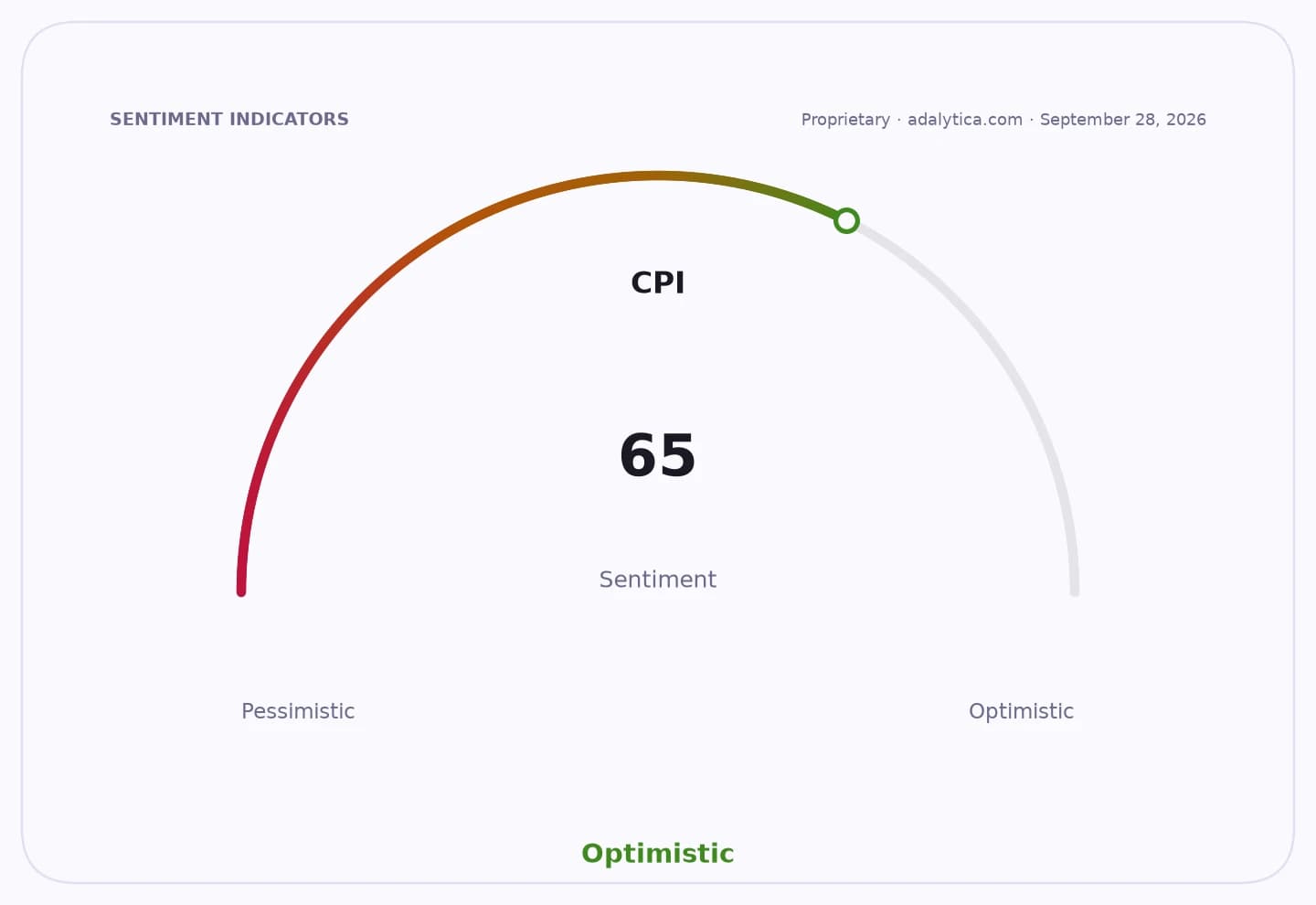
Sentiment IndicatorsⓘProprietary · adalytica.com · September 28, 2026
This is a snapshot — live sentiment, awareness and momentum for 130+ markets update continuously in the dashboard.Open AlphaPulse
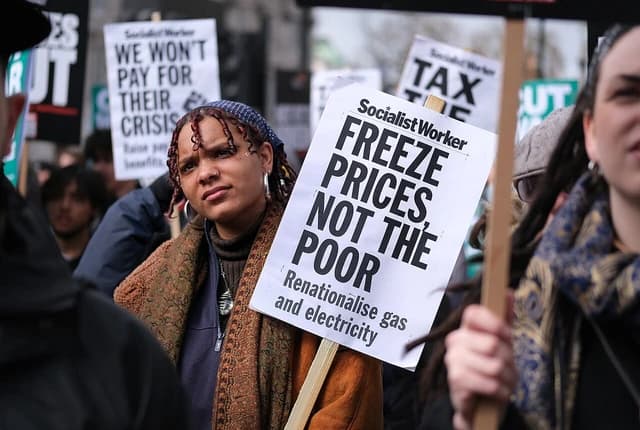
That energy shock is the key variable. Higher crude and natural gas prices can filter through transport, utilities and input costs, lifting headline inflation and, if persistent, feeding wage demands and broader domestic price pressures. BofA said it expects that pass-through to be “somewhat contained,” but sees the balance of risks tilted to the upside, particularly if inflation remains close to 4% early next year. At that level, policymakers may conclude that demand is not cooling fast enough to prevent a second-round effect.
The forecast also brings Bank of America into line with a growing number of brokers turning more hawkish on the BoE after last week’s meeting. Barclays, UBS Global Research and J.P. Morgan have already shifted to rate-hike calls, underscoring how quickly the market narrative has changed. The BoE stood out this month by leaving rates unchanged even as the US Federal Reserve, European Central Bank and Bank of Japan all moved higher, but the latest energy spike has narrowed that policy gap.
Markets are already leaning in the same direction. LSEG data show traders are pricing a 67% chance of a BoE hike in November, with another increase expected in December. That leaves room for disappointment if growth weakens faster than expected, but it also means sterling assets and UK rate-sensitive sectors may face fresh volatility as the policy path is repriced.
For investors, the implications are straightforward. Short-dated gilts and UK rate-sensitive equities would be most exposed if the BoE follows through on renewed tightening, while banks could see some support from higher rates if credit quality holds. Consumers and domestic cyclicals, by contrast, face another squeeze from elevated borrowing costs on top of energy-driven inflation. BofA still sees only two hikes before the BoE begins cutting in 2028, suggesting this is not the start of an extended tightening cycle — but it does point to a more inflationary near-term backdrop than markets had been assuming.
The next catalyst is whether energy prices keep feeding into inflation readings over the coming months. If they do, the BoE may be forced to act sooner and more than it would prefer; if they fade, the current hawkish repricing could prove excessive. For now, the burden of proof has shifted toward those still expecting the Bank of England to stay on hold.
| Entity | Gains | Losses |
|---|---|---|
| BoE hawks | ▲Policy room to tighten | ▼Risk of growth backlash |
| UK gilts | ▲Rally if hikes are muted | ▼Selloff if hikes are confirmed |
| Banks | ▲Wider rate margins | ▼Credit stress if households weaken |
| Consumers / rate-sensitive sectors | ▲Lower inflation if energy eases | ▼Higher borrowing costs |