Australia’s central bank is still on course to raise interest rates next week even after unemployment climbed to a five-year high, a sign policymakers remain focused on defeating inflation despite mounting strain in the labour market.
Australia RBA Seen Hiking Rates After Jobs Data
The new jobs data complicates the Reserve Bank of Australia’s balancing act, but it does not appear to have shifted the near-term policy path. Unemployment rose to 4.6% in August, the highest since November 2021, while the economy still added 39,500 jobs — almost double expectations — giving the RBA cover to tighten again after three rate rises already this year. Markets are pricing an 86% chance of a hike, and the major banks are also expecting a 25 basis point increase that would lift the cash rate to 4.6%, a 15-year high.
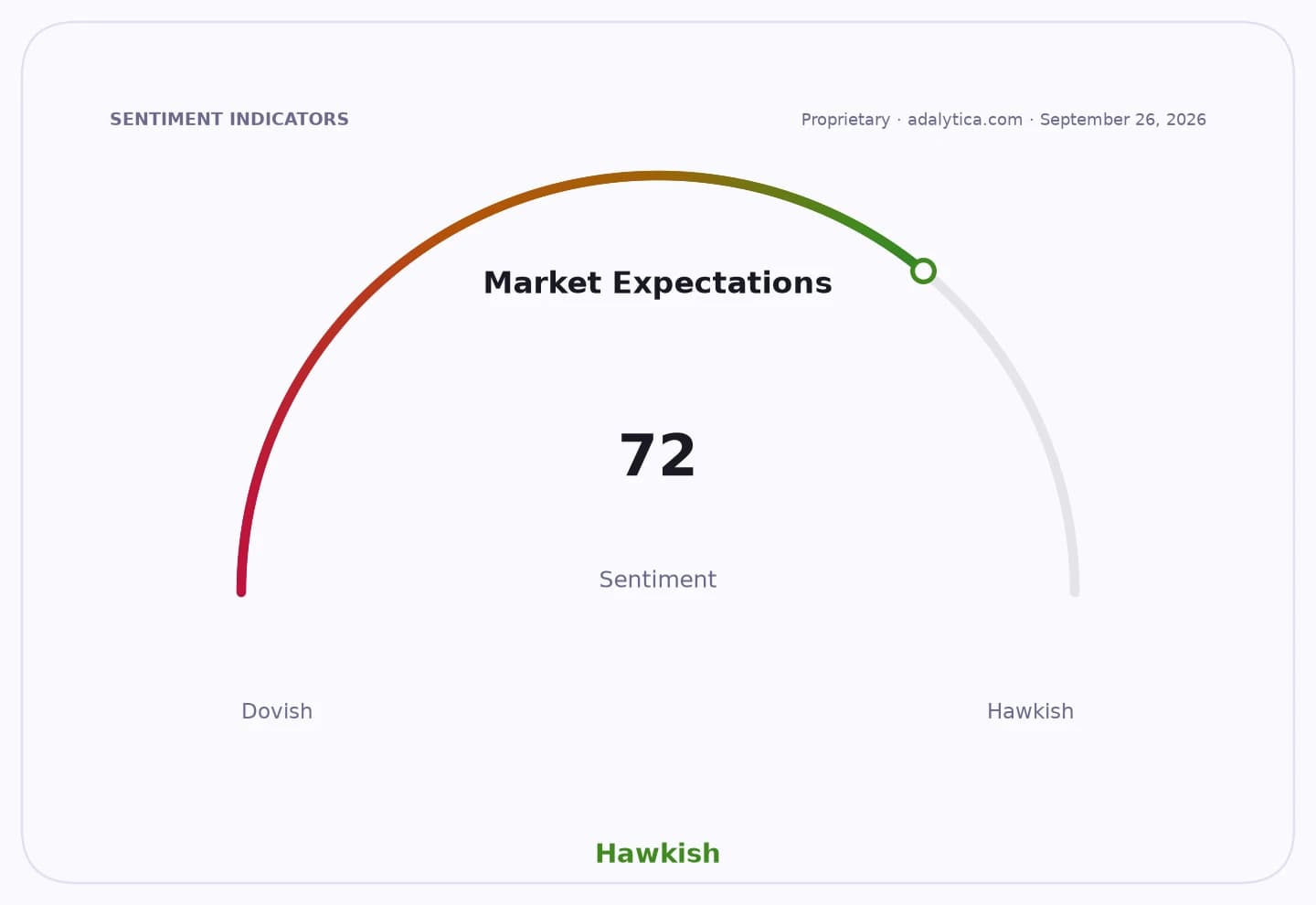
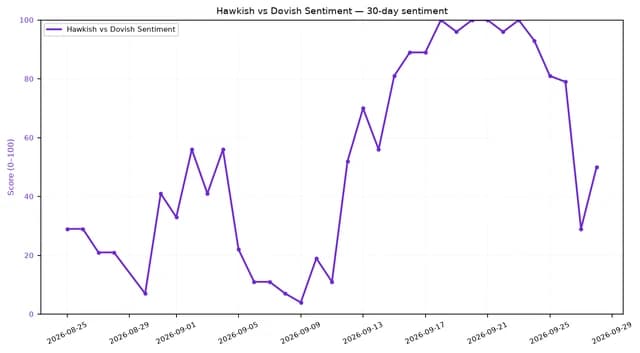
Sentiment IndicatorsⓘProprietary · adalytica.com · September 29, 2026
This is a snapshot — live sentiment, awareness and momentum for 130+ markets update continuously in the dashboard.Open AlphaPulse
That leaves borrowers facing more pressure at a time when the labour market is clearly softening but not yet weakening enough to reassure the central bank that inflation will fall on its own. Reserve Bank governor Michele Bullock has argued that unemployment may need to move closer to 5% to cool wage and price pressures, and Thursday’s data reinforces that view rather than challenges it. The rise in the jobless rate was driven partly by a drop in full-time employment, even as part-time work increased, suggesting the labour market is losing momentum without yet cracking.
For investors, the implication is that Australian rates may remain higher for longer even as growth slows. A hike next week would keep pressure on household balance sheets, housing demand and credit growth, while supporting the Australian dollar and rate-sensitive financial assets in the short term. Bond markets will also be watching whether the RBA signals that November is still in play; some economists said a second hike before year-end remains possible, though rising unemployment could narrow that window.
The policy debate now turns on how much slack the RBA is willing to tolerate. Bullock has said the non-accelerating inflationary rate of unemployment, or NAIRU, may be higher than previously thought, effectively raising the threshold for when the bank can relax. If that assessment proves right, the central bank could keep tightening even as joblessness moves higher, raising the risk that Australia ends up with both slower growth and unemployment near levels the RBA once thought would not arrive until 2027.
The next test will come in Tuesday’s board meeting and then in the following labour and inflation prints. If price pressures remain sticky, the RBA may press ahead with another hike later this year; if unemployment keeps climbing, the bank will face a sharper trade-off between restoring price stability and protecting jobs.
| Entity | Gains | Losses |
|---|---|---|
| RBA / Michele Bullock | ▲Inflation credibility | ▼Labour-market room |
| Bondholders / AUD bulls | ▲Higher-yield support | ▼Rate-cut expectations |
| Banks | ▲Wider lending margins | ▼Credit demand risk |
| Borrowers / households | ▲None | ▼Higher mortgage stress |