Investors are heading into a critical week of US labor and inflation data that could decide whether the Federal Reserve keeps tightening and whether this year’s stock rally can hold near record highs.
US jobs data and PCE to test Fed path

The September jobs report, due Oct. 2, and the Fed’s preferred inflation gauge, the personal consumption expenditures index, due Wednesday, come just weeks after the central bank raised rates for the first time in three years and signaled another hike before year-end. With Fed funds futures pricing more than a 60% chance of an October move, any upside surprise in hiring or inflation could quickly harden expectations for policy rates climbing above 5%.
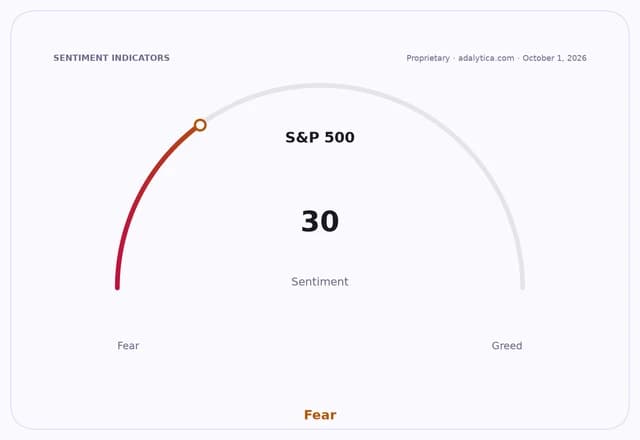
That matters because higher rates raise borrowing costs across the economy, slow credit-sensitive activity and pressure equity valuations just as the S&P 500 sits a little more than 1% below its mid-August peak. The broader market has held up largely on the back of megacap technology and artificial intelligence names, but the rally has become narrower under the surface.
Nine of the 11 S&P 500 sectors are down in September, and the equal-weight version of the index, which is closer to the average stock, is off about 4% this month. The message from the bond market has been just as uncomfortable: the 30-year Treasury yield has hit its highest level in more than 20 years, while the 10-year yield has moved well above 5%, intensifying competition for investor money.
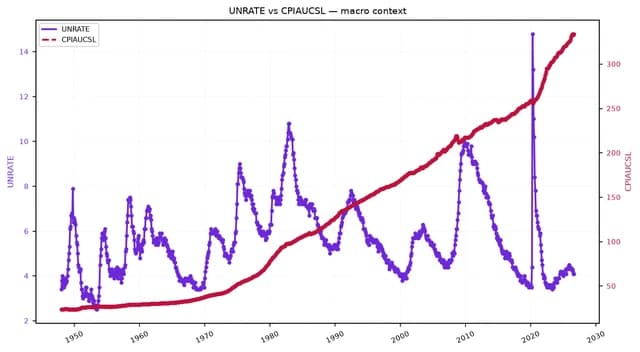
Economists surveyed by Reuters expect payrolls to rise by 100,000 in September, with unemployment at 4.2%. That would suggest the labor market is cooling but not cracking, a setup that could support consumer spending without forcing the Fed into a more aggressive tightening path.
PCE inflation will be the other major test. Core PCE rose 3.3% in the 12 months through July, still well above the Fed’s 2% target, and even a modest upside print would keep pressure on policymakers to lean harder against price gains. A softer reading, by contrast, could ease fears that the rate cycle is moving into a more disruptive phase for equities and Treasuries.
The reaction matters most for rate-sensitive corners of the market. Small-cap stocks, financials and utilities have already lagged this month, while long-duration assets such as Treasuries remain vulnerable if inflation stays sticky and labor demand proves resilient.
Micron Technology’s results on Wednesday will also be watched as a read-through for the AI trade that has helped support the large-cap indexes, but the macro data will set the tone. If jobs and inflation stay hot, investors may have to price in a Fed that is willing to keep going, even if that means more volatility for stocks and bonds into October.
| Entity | Gains | Losses |
|---|---|---|
| Fed hawks | ▲Stronger case for another hike | ▼Softer data that eases pressure |
| Rate-sensitive stocks | ▲Cooler jobs/inflation print | ▼Hotter data and higher yields |
| Treasury bulls | ▲Slower growth and lower inflation | ▼Persistent inflation and 10-year yield above 5% |
| Large-cap tech | ▲Narrow-rally support from AI demand | ▼Broadening rotation into cyclicals and defensives |