Australia’s sharemarket is deep in a September selloff, with the ASX 200 down more than 4% for the month as investors price in stubborn inflation, higher-for-longer interest rates, rising bond yields and geopolitical risk.
ASX 200 Falls More Than 4% in September Selloff
The benchmark’s slide puts it on track for its worst month since March and far above the average September decline seen over the past quarter-century. This year’s drop is also roughly three times steeper than the market’s usual weak-season performance, underscoring how quickly inflation fears have turned a seasonal drift into a broad risk-off move.
Sentiment IndicatorsⓘProprietary · adalytica.com · September 30, 2026
This is a snapshot — live sentiment, awareness and momentum for 130+ markets update continuously in the dashboard.Open AlphaPulse
The selling matters because Australia’s market is heavily exposed to rate-sensitive sectors, financials and resources, all of which can be pressured when bond yields rise and growth expectations soften. A hotter inflation backdrop also keeps the Reserve Bank of Australia under pressure to stay restrictive, which can squeeze equity valuations and household spending at the same time.
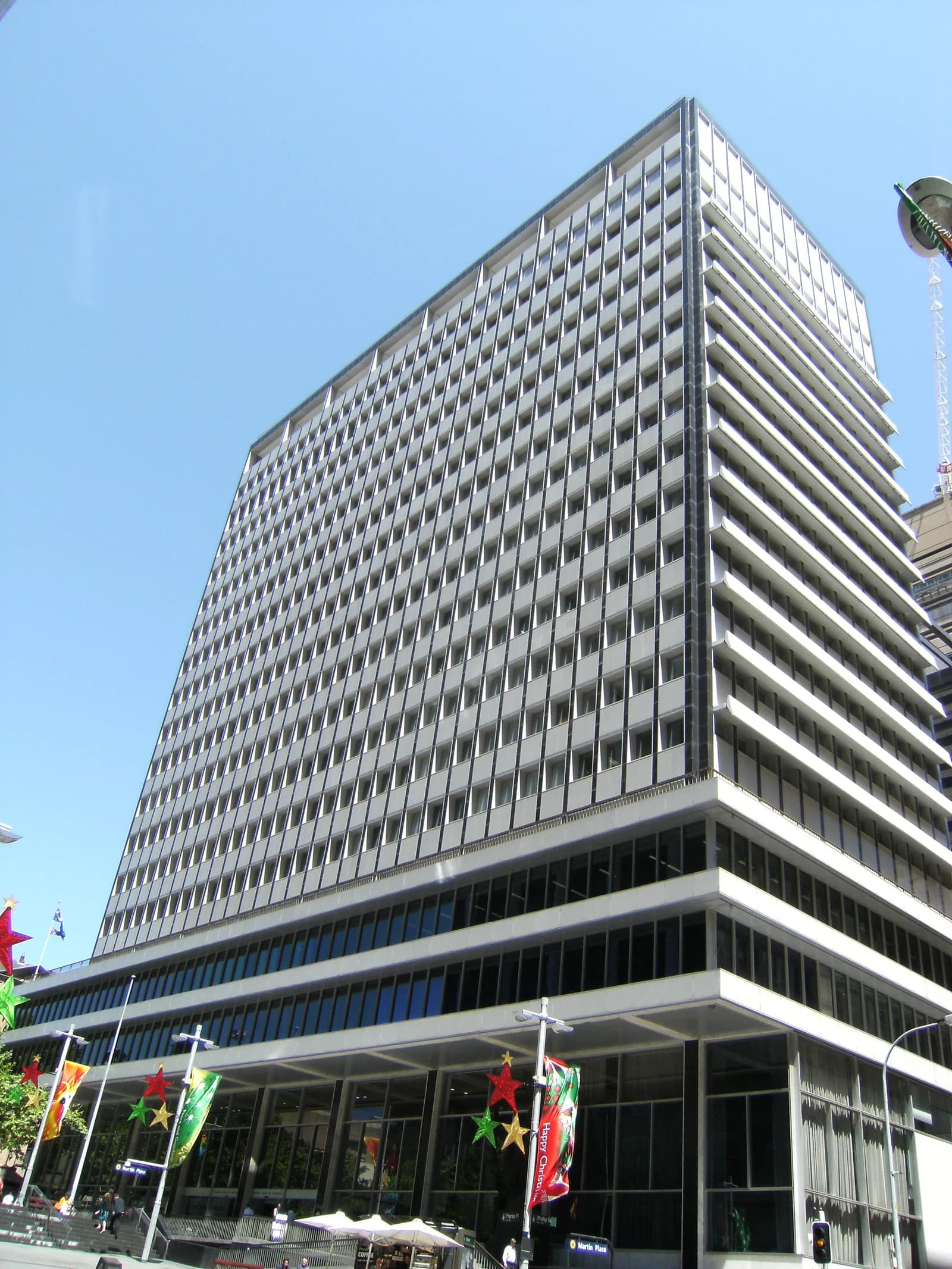
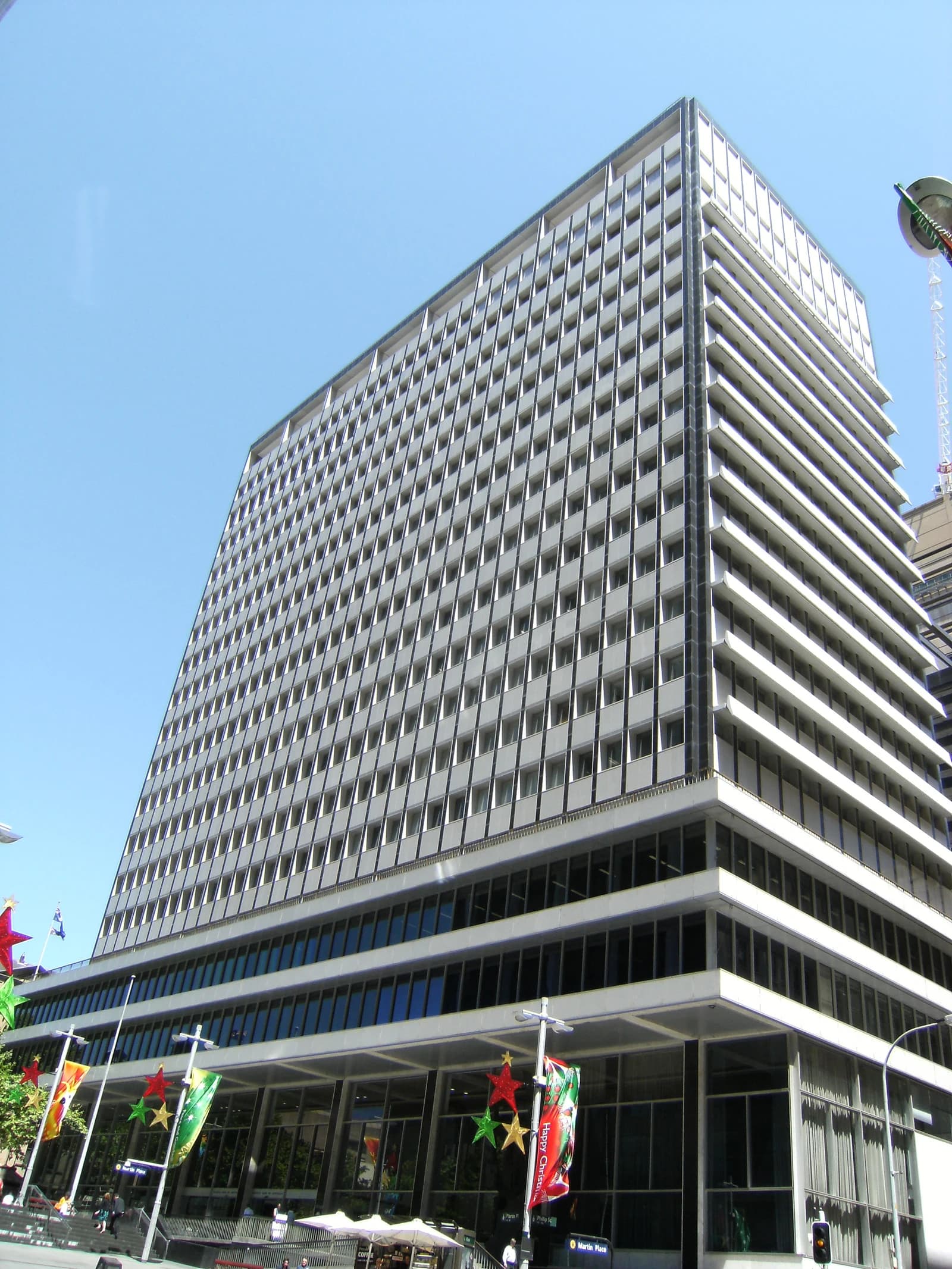
Former Reserve Bank governor Philip Lowe has urged the Albanese government to curb spending, warning that persistent price pressures may force another rate hike in November. Australia’s inflation rate has climbed to 4%, with the central bank already lifting its cash rate to 4.6%, the highest in 15 years.
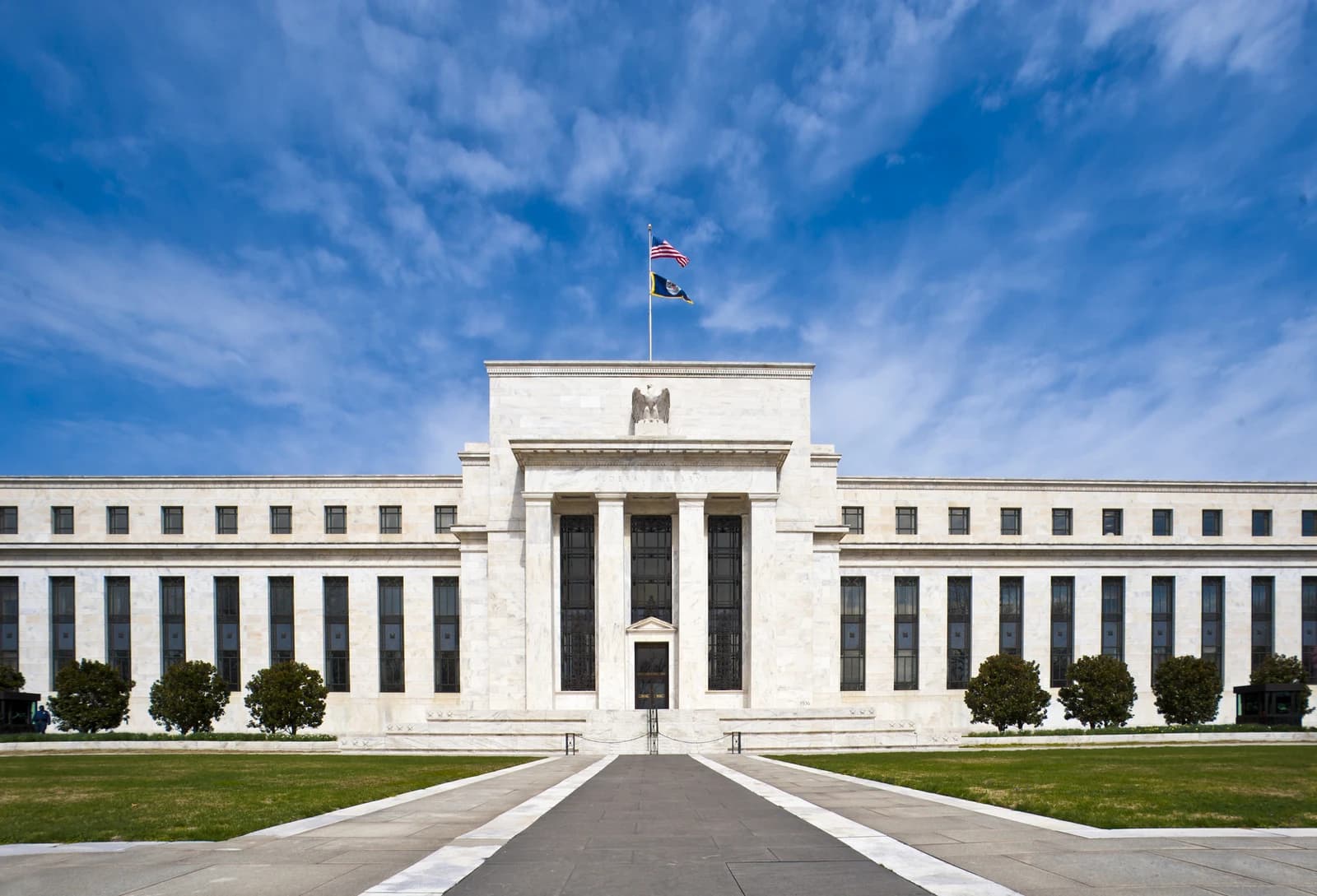
Markets are also contending with a global rates backdrop that is not easing. The US 10-year Treasury yield was last around 5.24%, while the Federal Reserve funds rate remains at 3.63%, reinforcing the case for tighter financial conditions worldwide.
The Australian dollar has held around 70 US cents, but the broader tone remains defensive. Technical indicators on the ASX 200 show the index has slipped below its 50-day moving average and its relative strength index has fallen into oversold territory, a sign the pullback has been sharp rather than orderly.
For investors, the immediate question is whether the September slide is a temporary repricing or the start of a longer de-rating for Australian equities if inflation stays sticky into the next policy meeting. The next inflation print, the RBA’s November decision and any further escalation in the Middle East will set the tone for the rest of the quarter.
| Entity | Gains | Losses |
|---|---|---|
| Cash and short-duration assets | ▲Higher yields | ▼Equity exposure |
| Banks and rate-sensitive sectors | ▲N/A | ▼Valuation multiples |
| Bond investors | ▲More attractive coupons | ▼Existing bond prices |
| RBA inflation hawks | ▲Stronger case for tightening | ▼Borrowers and consumers |