US Treasury yields above 5% are once again dictating the tone across global markets, with Asian equities opening mixed as investors reassess the risk of higher borrowing costs and a more hawkish Federal Reserve.
US Treasury Yields Top 5% as Asia Opens Mixed
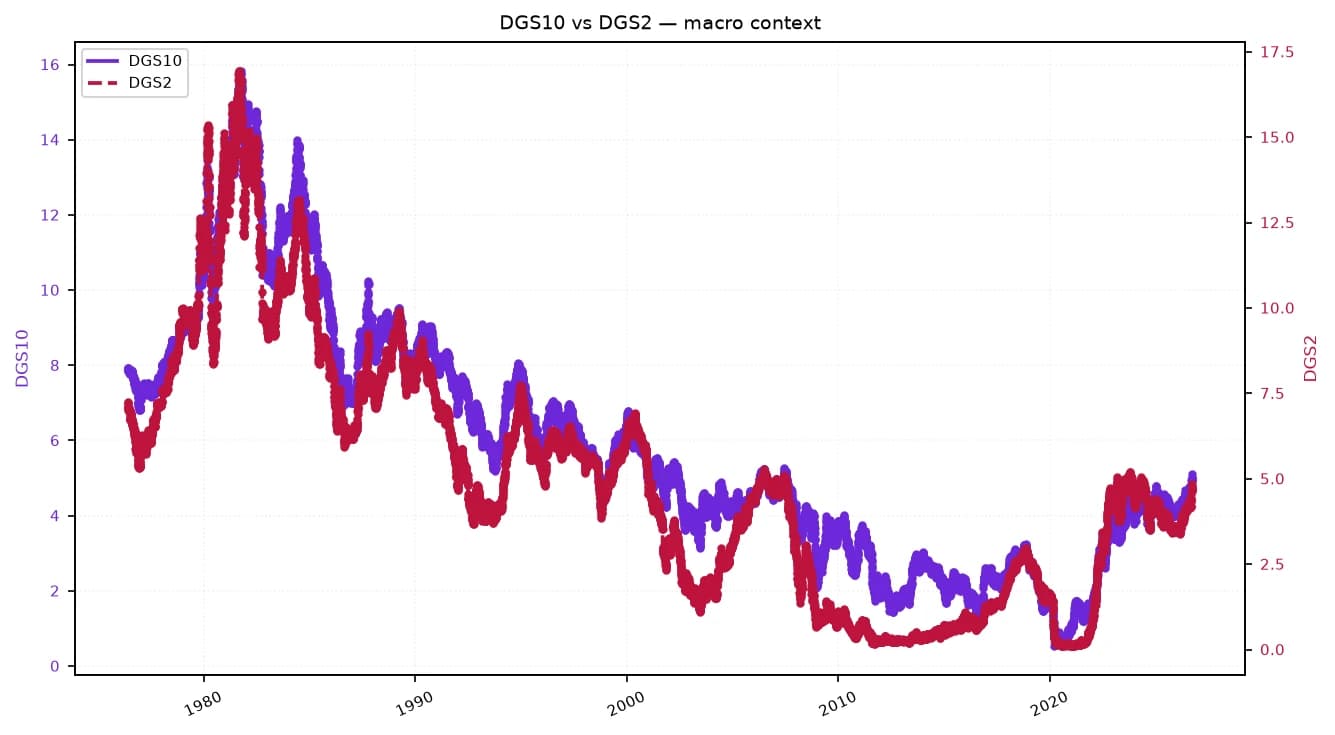
The 10-year Treasury yield rose to 5.225% on Thursday, the highest since 2007, while the 30-year climbed to 5.502%, pushing US funding costs back into territory that threatens equity valuations and household demand. In Asia on Friday, Japan’s Nikkei 225 gained 0.25% and the Topix rose 0.40%, while Australia’s S&P/ASX 200 fell 0.48%. Mainland China and South Korea were shut for holidays.
Sentiment IndicatorsⓘProprietary · adalytica.com · September 30, 2026
This is a snapshot — live sentiment, awareness and momentum for 130+ markets update continuously in the dashboard.Open AlphaPulse
The move in bonds matters because it tightens financial conditions well beyond the US Treasury market. Higher long-dated yields feed into mortgage rates, corporate borrowing costs and discount rates used to value stocks. That is why the 30-year fixed mortgage rate in the US has already climbed to 7.45%, the highest since 2024, raising pressure on housing demand just as consumers are showing signs of strain.
Morgan Stanley economist Heather Berger said the rise in mortgage costs, together with firmer auto and credit card rates, is likely to weigh on spending, especially for goods, and trim real consumption growth next year. That view helps explain why the Dow Jones Industrial Average is heading for a fourth straight weekly decline even as the S&P 500 and Nasdaq have held up better, suggesting investors are still favoring growth and rate-sensitive winners over the broader market.
DGS10 vs DGS2 — macro contextadalytica.com
Explore this data interactively — full history, time series and cross-market comparisons.Open AlphaPulse
The bond selloff has been driven by a mix of hawkish comments from Federal Reserve governor Michael Barr, persistent energy prices linked to the Iran war and inflationary signals in recent purchasing managers’ reports. Fed funds futures now price about a 68% chance of another rate increase in October, reinforcing the market’s concern that the central bank may stay restrictive for longer than previously expected.
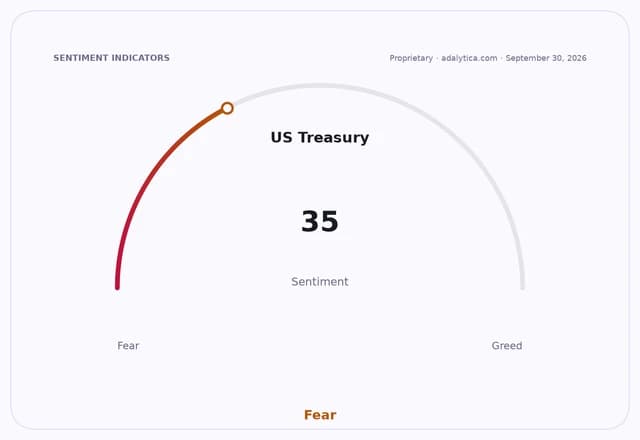
For investors, the key issue is not just the level of yields but whether they keep rising fast enough to force a wider rotation out of equities, particularly in sectors sensitive to rates and consumer demand. The 10-year’s breakout above 5% has already pushed US bond trade signals into heavily crowded territory, while equity sentiment has weakened, according to Adalytica data, with both Treasury bond and S&P 500 gauges showing deteriorating short-term tone.
Friday’s US data, including the University of Michigan consumer sentiment reading and durable goods orders, could determine whether yields extend their climb or stabilize. A soft set of numbers would support the case that higher rates are finally cooling demand; a firmer print would likely intensify the bond selloff and keep pressure on Asian markets into the next session.
| Entity | Gains | Losses |
|---|---|---|
| US banks | ▲Higher lending margins | ▼Rate-sensitive borrowers |
| Treasury bond sellers | ▲Lower bond prices | ▼Long-duration holders |
| Japanese exporters | ▲Softer yen support | ▼Domestic rate-sensitive sectors |
| US consumers | ▲None | ▼Mortgage and credit costs |