The Dow Jones Industrial Average kept sliding on Tuesday as a surprisingly strong run of business activity data pushed U.S. Treasury yields to their highest level since 2007, renewing fears that the Federal Reserve may have to stay tighter for longer.
Dow Jones Falls as Treasury Yields Hit 2007 High

That matters because higher yields raise the discount rate investors use to value stocks and make bonds look more attractive relative to equities. For an index like the Dow, which leans heavily toward mature, cash-generating companies, the move is a reminder that even high-quality blue chips can struggle when rates rise faster than earnings expectations.
Sentiment IndicatorsⓘProprietary · adalytica.com · September 28, 2026
This is a snapshot — live sentiment, awareness and momentum for 130+ markets update continuously in the dashboard.Open AlphaPulse
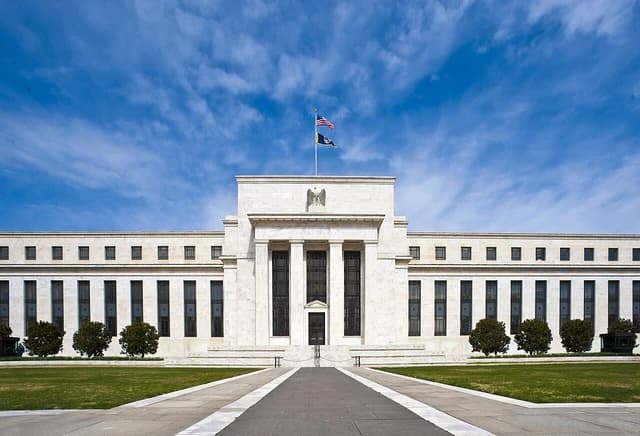
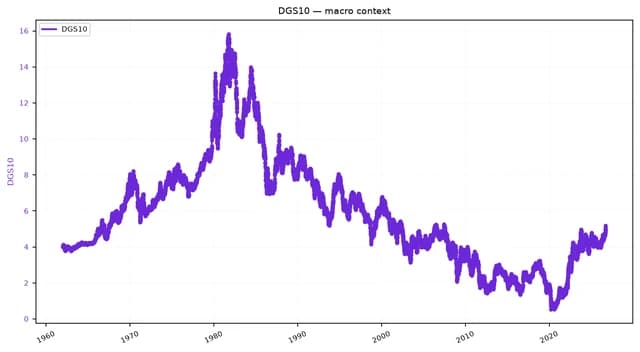
The 10-year Treasury yield climbed to 4.96%, with futures now pricing in four more Fed rate hikes by mid-2027. That kind of repricing tells you the market is no longer focused just on growth — it is also wrestling with the risk that stronger activity could keep inflation stickier than investors hoped. The latest flash composite PMI rose to 58.4 in August from 56, the strongest reading from S&P Global since 2021, suggesting the economy still has plenty of momentum.
But stronger growth is not always a blessing for stocks in the short run. When yields surge, the valuation pressure tends to hit the most rate-sensitive corners first, and it can also weigh on consumer-facing and economically cyclical shares as investors rotate toward cash and income. That is showing up in exchange-traded funds as well: the Dow-focused DIA ETF has slipped to 515.11, below its 50-day moving average of 526.19 and with a weak RSI reading of 37.1, while the small-cap IWM ETF has fallen to 280.34, also well below its 50-day average. Consumer discretionary stocks have been hit harder still, with XLY trading at 109.56, beneath both its 50-day and 200-day moving averages.
For long-term investors, the bigger takeaway is simple: strong economic data can be good for corporate profits over time, but it can be painful when it arrives alongside a sharp jump in rates. That is why market leadership often shifts in this phase of the cycle, with bond-sensitive sectors and higher-multiple stocks under pressure while companies with durable pricing power and strong free cash flow tend to hold up better.
The question now is whether the yield spike reflects a healthy economy or the start of a more difficult policy path. If the PMI strength continues and inflation stays sticky, the Fed may have little room to ease, which could keep volatility elevated for stocks in the near term. For investors with a multi-year horizon, that usually argues for patience, diversification and watching for quality businesses that can compound through higher-rate environments.
| Entity | Gains | Losses |
|---|---|---|
| U.S. Treasury bears | ▲Higher yields | ▼Bond prices |
| Fed hawks | ▲Tightening case | ▼Rate-cut hopes |
| Value/cash-rich blue chips | ▲Relative resilience | ▼Long-duration growth stocks |
| Small caps and consumer discretionary | ▲— | ▼Rate sensitivity and valuation pressure |