US long-term borrowing costs have surged to their highest levels since 2004, and the impact is already moving beyond the Treasury market into mortgages, equities and exchange rates.
US long-term yields rise on higher-for-longer rates
The 30-year US Treasury yield climbed to 5.501% and the 10-year note rose to 5.22%, the highest since 2007, as investors priced in the risk that the Federal Reserve may have to tighten again. Fed funds futures now imply roughly a 70% chance of another rate increase at the October FOMC meeting, up sharply from about 49% a week earlier, after Fed officials signaled that inflation remains too sticky to declare victory.
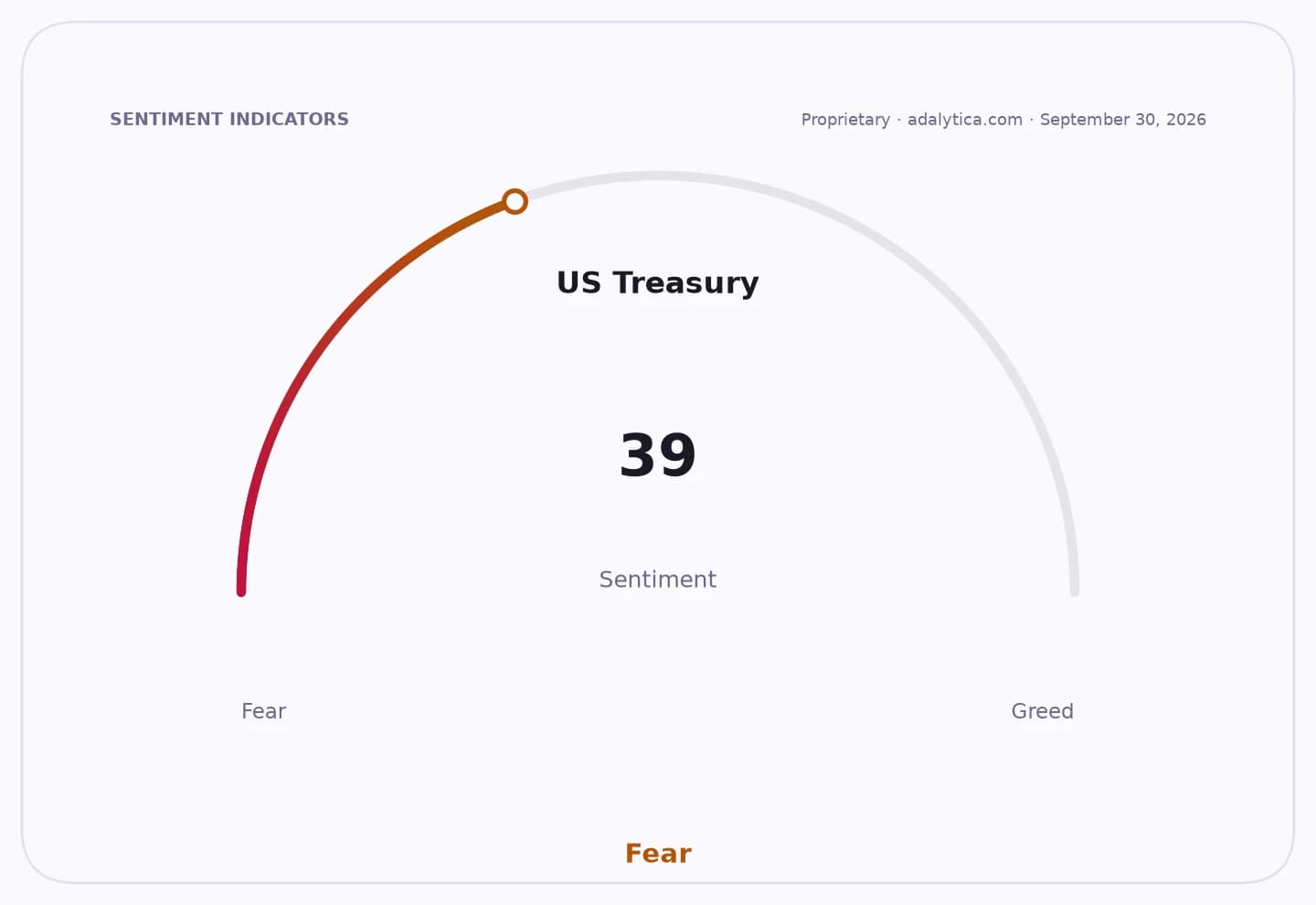
Sentiment IndicatorsⓘProprietary · adalytica.com · September 30, 2026
This is a snapshot — live sentiment, awareness and momentum for 130+ markets update continuously in the dashboard.Open AlphaPulse

That shift matters because the long end of the curve is the pricing benchmark for everything from home loans to corporate borrowing and asset valuations. US 30-year mortgage rates have already pushed back above 7%, a level that sharply increases monthly payments and can lock out marginal buyers. A household financing a typical purchase at today’s rates versus the lower levels seen earlier this year can face tens of thousands of dollars in extra interest over the life of the loan, reinforcing the drag on housing demand and consumer spending.
The move is also a direct valuation headwind for equities, especially rate-sensitive technology shares. Higher Treasury yields lift the discount rate applied to future profits and make risk-free income more attractive relative to stocks. The S&P 500 ended lower as the bond selloff continued, while long-duration bond funds such as the iShares 20+ Year Treasury Bond ETF slipped toward their 50-day moving average and have been trading with weak momentum by standard technical measures, including a low RSI and negative MACD readings. Investors have been rotating defensively as the market reassesses how long yields can stay this elevated.
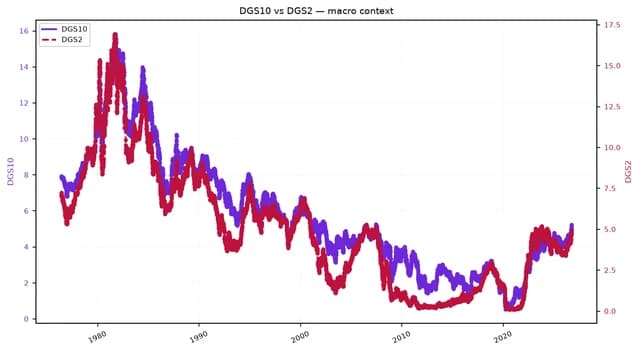
The selloff is not confined to the US. Japanese 10-year government bond yields rose to around 3.1%, their highest since 1996, while German 10-year yields climbed to 3.6%, the strongest since 2009. That suggests the pressure is global, not just a reflection of US fiscal concerns. Traders are grappling with a mix of stronger-than-expected data, hawkish central bank commentary, elevated oil prices and persistent inflation, all of which argue for a higher-for-longer rates backdrop.
For the dollar, the picture is more complicated. In theory, higher US yields should support the currency, but the latest move has also raised concern that foreign capital may be leaving longer-dated US debt as volatility rises and duration risk becomes less attractive. If the jump in long rates persists, it could tighten financial conditions further, worsen affordability in the housing market and amplify the strain on leveraged sectors.
For investors, the key question is whether the current move marks a temporary repricing or the start of a more durable shift in term premiums. Bulls argue that stronger growth and still-resilient demand justify higher yields. Bears say the bond market is finally forcing equities and the economy to absorb the cost of sticky inflation, tighter policy and larger sovereign financing needs. Either way, the rise in US long-term rates is no longer just a bond-market story — it is becoming a broad macro shock.
| Entity | Gains | Losses |
|---|---|---|
| Lenders / cash investors | ▲Higher income yields | ▼Lower bond prices |
| Homebuyers / borrowers | ▲None | ▼Higher mortgage costs |
| Equity investors / tech stocks | ▲Relative support from growth, if yields fall | ▼Valuation pressure from higher discount rates |
| US dollar holders / foreign capital | ▲Potential yield advantage | ▼Volatility and outflow risk |