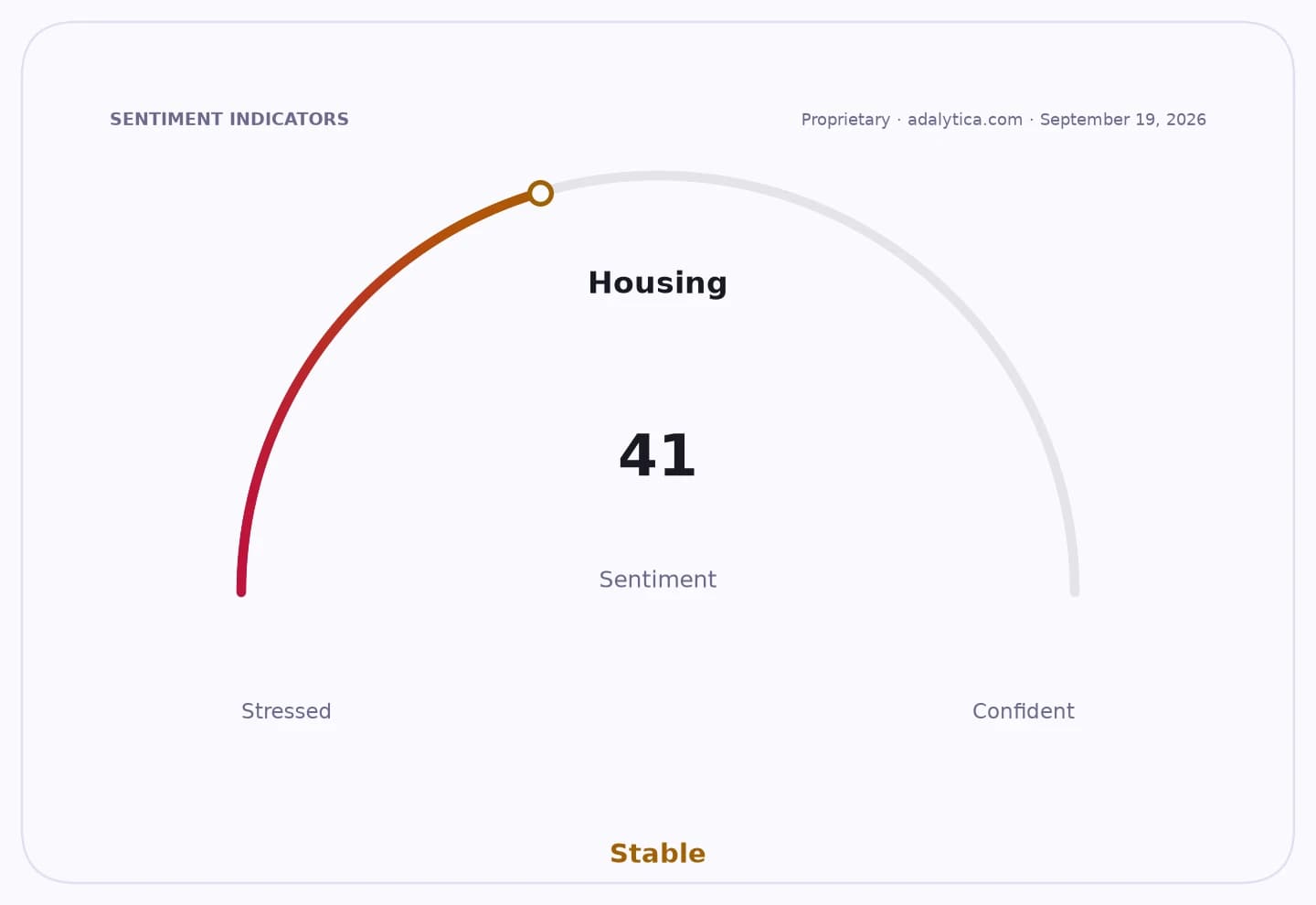
Residents of Bashkortostan are taking out fewer mortgages, but they are borrowing more money per loan, a sign that housing demand is shifting toward larger, more expensive purchases even as transaction volumes soften.
Bashkortostan Mortgage Loans Rise in Size

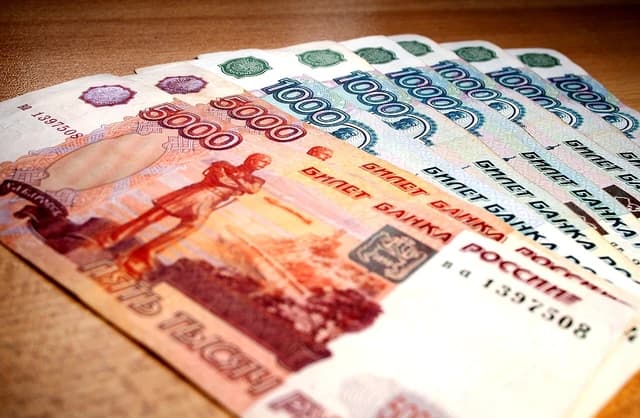
In August, banks issued 3.36 thousand mortgages in the republic, down 3% from July, while the total amount of lending rose 3% to 11.92 billion rubles, according to the Unified Credit Bureau. The average mortgage climbed to 3.55 million rubles from 3.34 million rubles a month earlier, a 6% increase. That means the market is not collapsing; it is becoming more expensive and more concentrated in bigger loans.
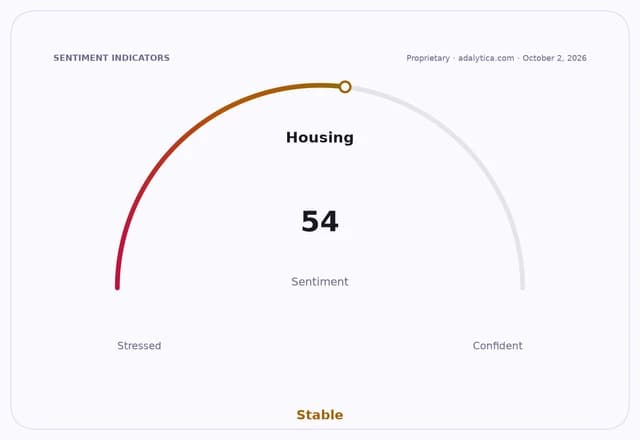
That matters because mortgage size is often the cleaner read on housing affordability than the number of approvals alone. When average ticket sizes rise while the count of loans falls, households are usually stretching to buy pricier homes, or lenders are skewing toward borrowers with stronger balance sheets. Either way, it points to a market where affordability is tightening rather than improving.
The divergence also highlights how Bashkortostan is tracking differently from the broader Russian market. Nationwide, mortgage issuance rose 4% month on month in August to 94.59 thousand loans, while total volume climbed 9% to 397.82 billion rubles. In other words, Russia’s housing credit market was expanding, even as Bashkortostan saw fewer deals but larger borrowing. That mix suggests regional housing demand is becoming more selective, with higher-price segments holding up better than the mass market.
For investors, the message is that mortgage credit is still flowing, but the composition is changing. Higher loan sizes support developers and banks tied to premium housing and larger urban projects, while lower transaction counts can eventually pressure entry-level sales and secondary-market turnover. In a market where financing conditions and household affordability are already doing much of the work, the borrower mix matters as much as the headline growth rate.
Bashkortostan also still trails neighboring Tatarstan, where the average mortgage in August reached 4.24 million rubles, about 690,000 rubles higher. That gap underscores how regional housing markets can diverge even inside one economy, creating pockets of strength for lenders and builders in wealthier or faster-growing areas while leaving others more price-sensitive.
The broader trend is clear: Russian mortgage lending remains resilient through August, but regional data are showing the first signs of strain in deal flow. If loan sizes keep rising while the number of borrowers keeps slipping, the next stage is not a lending boom but a more uneven market that rewards developers, banks and investors positioned for higher-end housing demand.
| Entity | Gains | Losses |
|---|---|---|
| Bashkiria borrowers with larger budgets | ▲Higher loan access | ▼Affordability pressure |
| Banks in Bashkortostan | ▲Bigger average tickets | ▼Fewer mortgage originations |
| Premium housing developers | ▲Stronger demand for pricier units | ▼Entry-level buyers |
| Secondary housing market | ▲Larger financing amounts | ▼Transaction volume |