Households with one or two children stand to pay materially more under Russia’s revamped family mortgage scheme, a shift that could cool demand for subsidized housing credit while redirecting support toward larger families.
Russia family mortgage rules raise costs for smaller households
The change matters because mortgage subsidies are one of the few direct policy tools supporting homebuying demand in Russia’s housing market. By tying concessional rates more closely to family size, the Finance Ministry is effectively narrowing access to the cheapest borrowing for the majority of applicants. An economist cited by NEWS.ru said monthly payments for one- and two-child families could rise 10% to 20%, after average borrowing costs for those households increase by 2.5 to 3.5 percentage points.
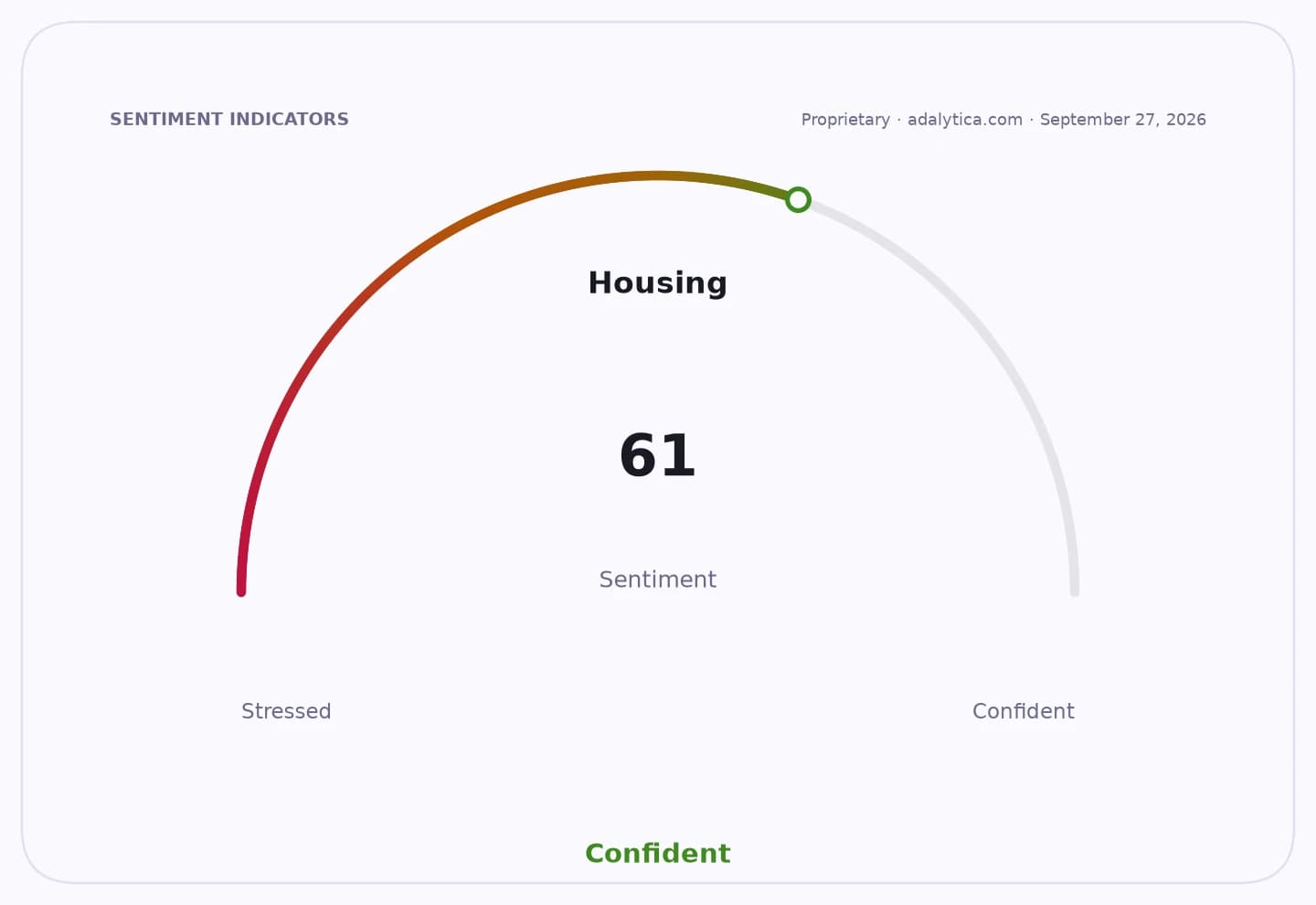
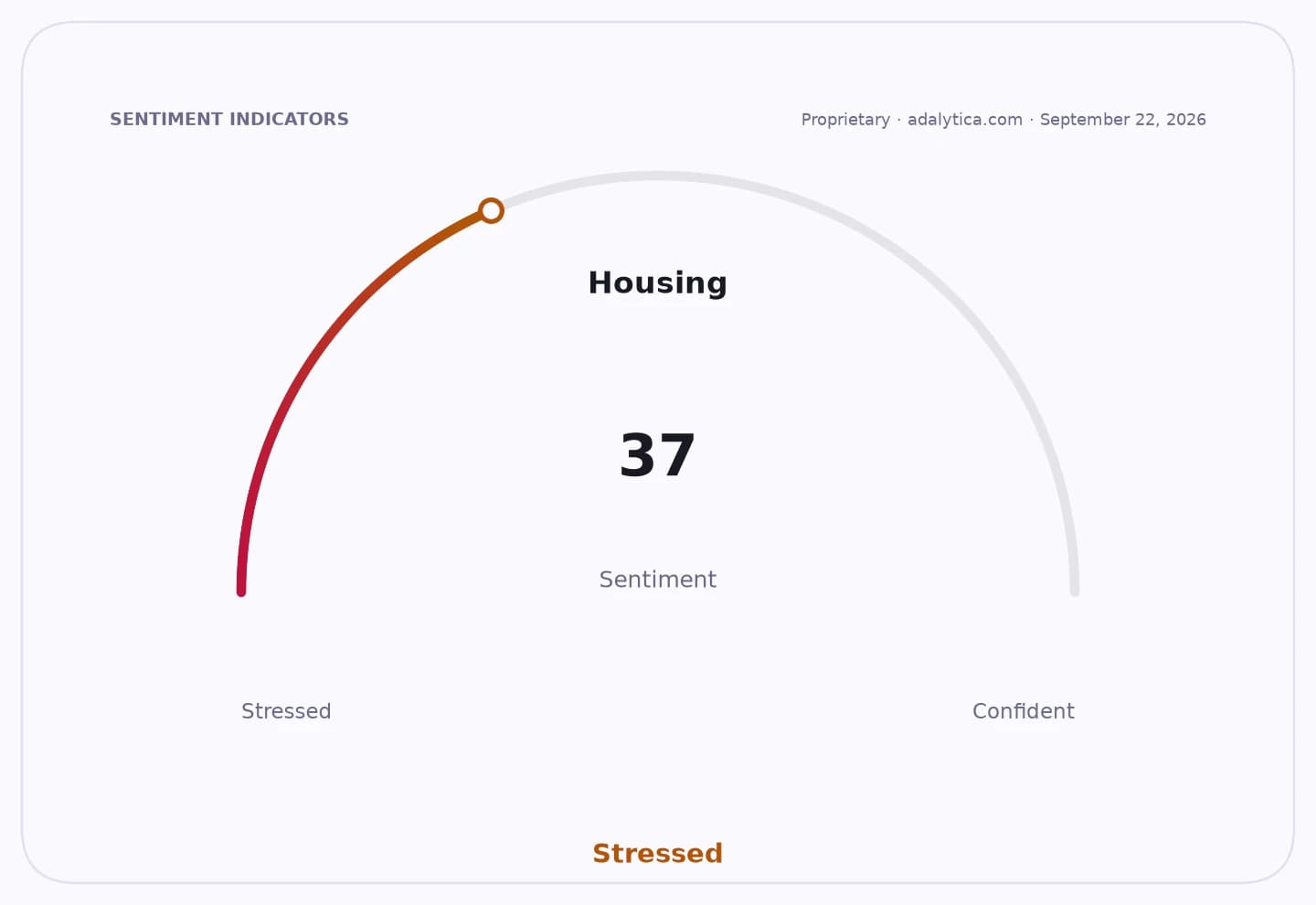
Sentiment IndicatorsⓘProprietary · adalytica.com · September 29, 2026
This is a snapshot — live sentiment, awareness and momentum for 130+ markets update continuously in the dashboard.Open AlphaPulse
That would not just squeeze household budgets; it could also alter the structure of demand in a market already sensitive to financing costs and deposit rates. More than two-thirds of applicants for preferential mortgages come from families with one or two children, according to the report, meaning the policy change would hit the largest pool of borrowers first. For banks and developers, the near-term risk is a softer flow of subsidized applications, particularly among smaller households that may now need larger down payments or may delay purchases altogether.
The redistribution is being framed in Moscow as a fairness measure. The argument is that larger families face higher living costs and should receive more of the state’s housing support. That logic could also shift demand toward bigger apartments and family-oriented developments, as one property executive suggested, which may help builders focused on larger floor plans even as overall affordability worsens for a broad slice of buyers.
For investors, the key question is not whether the policy helps higher-birth-rate households on paper, but how much it reduces transaction volumes and loan origination in practice. Subsidized mortgages have been a critical prop for housing activity, and any move that trims eligibility or raises effective borrowing costs can reverberate through construction, mortgage lenders and consumer spending. If more households are pushed to increase down payments, the policy may support bank deposits in the short run, but it also risks delaying home purchases in a market where access to credit remains the main constraint.
The next test will be whether the new rules materially reshape application volumes or simply reallocate demand toward larger families and bigger homes. If the former, the policy could weaken the broader housing market before it improves demographic incentives; if the latter, it may reinforce an already bifurcated market, with winners among developers of spacious family housing and losers among smaller households facing higher monthly payments.
| Entity | Gains | Losses |
|---|---|---|
| Large families | ▲Lower-rate access | ▼None |
| One- and two-child households | ▲None | ▼Higher monthly payments |
| Developers of larger homes | ▲Stronger demand | ▼Smaller-home sellers |
| Banks and mortgage lenders | ▲Possible higher deposits | ▼Softer loan volumes |