A Basque cross-border local-currency project is moving from theory to test phase, adding momentum to a broader push for a transfrontier “eusko” model that could deepen regional spending and keep more money circulating in local businesses.
Basque Eusko Project Enters Test Phase
That matters economically because local currencies are not designed to replace the euro, but to redirect trade toward nearby shops, producers and service providers. In a region where identity, small business density and cross-border commerce all matter, even a modest shift in payment habits can support neighborhood demand, strengthen local supply chains and reinforce the kind of relocalized economy policymakers often promise but rarely deliver.
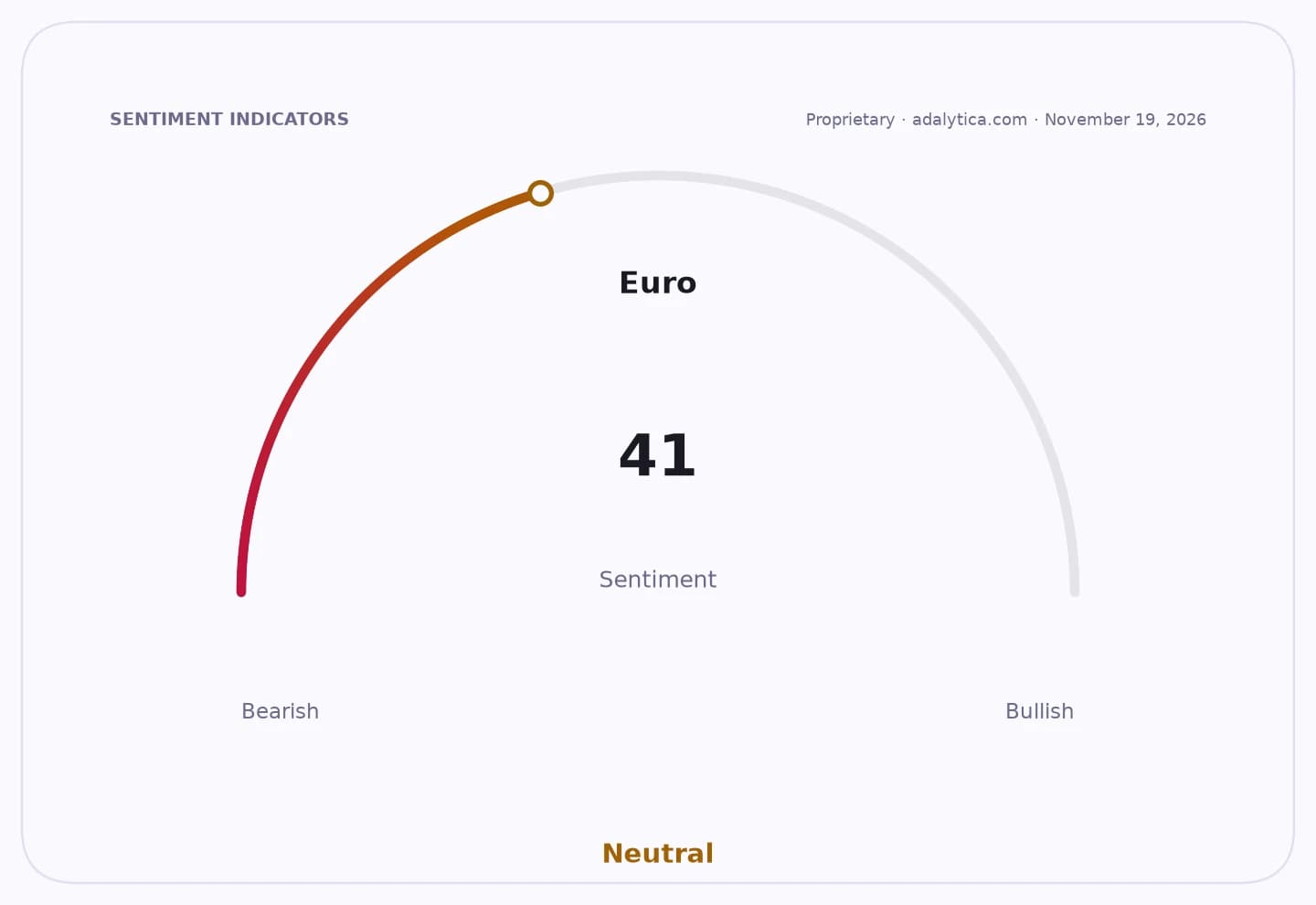
Sentiment Indicators
The French Basque Country’s eusko has already become Europe’s biggest alternative currency by user base, according to its backers. Since launching in 2013, it has attracted 4,600 individual users and 1,400 professionals, with more than 5 million units in circulation. That is tiny beside the euro zone, but it is enough to give the project credibility and to make its Spanish-side counterpart, the heko, look less like an experiment and more like the next step in a regional network.
Supporters say the heko is being tested in Navarre and Guipuzcoa, the Spanish Basque provinces, which would be important because scale is the missing ingredient for most local currencies. A currency that can cross administrative borders has a better shot at becoming useful for merchants, commuters and cross-border households. If the model gains traction on both sides of the frontier, it could create a small but durable ecosystem of payments, loyalty and local procurement.
For investors, the immediate market impact is limited, but the broader signal matters. The rise of place-based currencies underscores persistent frustration with centralized monetary systems and the search for local economic resilience at a time when the euro remains under pressure in foreign exchange markets. It also highlights the growing political appeal of economic localization, a theme that can spill into local banking, regional finance, payment infrastructure and merchant services.
The bigger story is not that a Basque currency will challenge the euro. It is that the eusko’s success has made the idea bankable enough to export across the frontier. If the Spanish-side rollout expands, the winners will be local merchants, community banks and regionally anchored service providers. The losers are the large, centralized payment networks and national retail chains that benefit when spending leaks out of the neighborhood.
For now, the investment takeaway is clear: watch the infrastructure around local and regional payments. If the Basque experiment keeps expanding, the real opportunity is not in the currency itself, but in the payment rails, merchant tools and local-finance platforms that can monetize the shift toward relocalized commerce.
| Entity | Gains | Losses |
|---|---|---|
| Local Basque merchants | ▲More retained spending | ▼Less leakage to national chains |
| Eusko / heko supporters | ▲Greater legitimacy and scale | ▼Dependence on slow adoption |
| Regional payment providers | ▲New transaction flow | ▼Centralized card networks |
| National retailers | ▲— | ▼Weaker local spending capture |