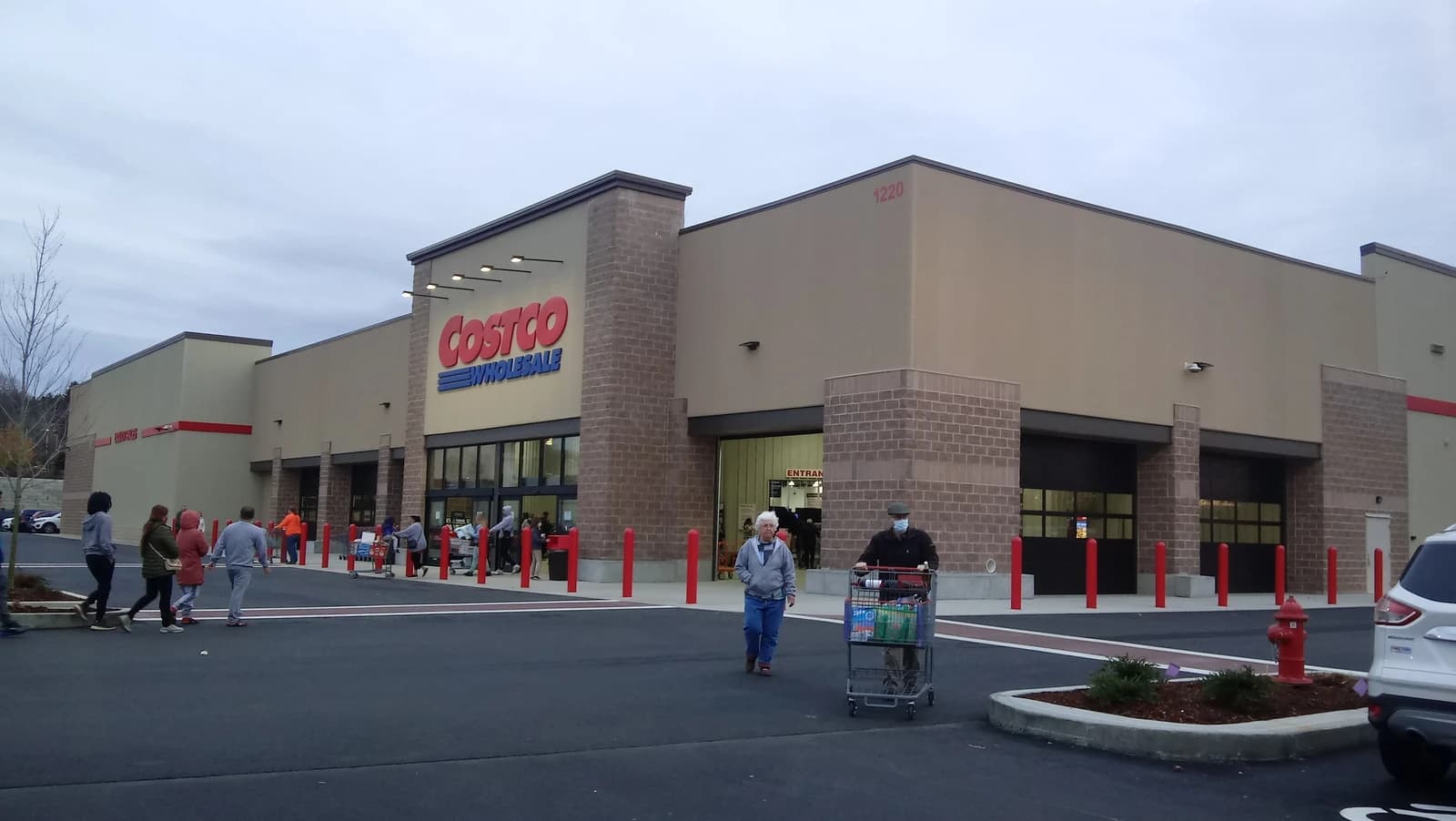
A hardware store branch in Bavaria is closing as softer customer traffic and changing buying behavior deepen pressure on Europe’s do-it-yourself retail market, underscoring how cautious households are reshaping demand even as broader consumer spending stays resilient elsewhere.
Bavaria hardware store closes as DIY demand weakens
The closure matters because DIY and home-improvement chains depend heavily on discretionary spending tied to housing activity, renovation cycles and confidence in future income. When customers postpone projects or shift to smaller, more price-sensitive purchases, the economics of large-format stores quickly deteriorate: fixed costs remain high, but basket sizes and visit frequency fall.
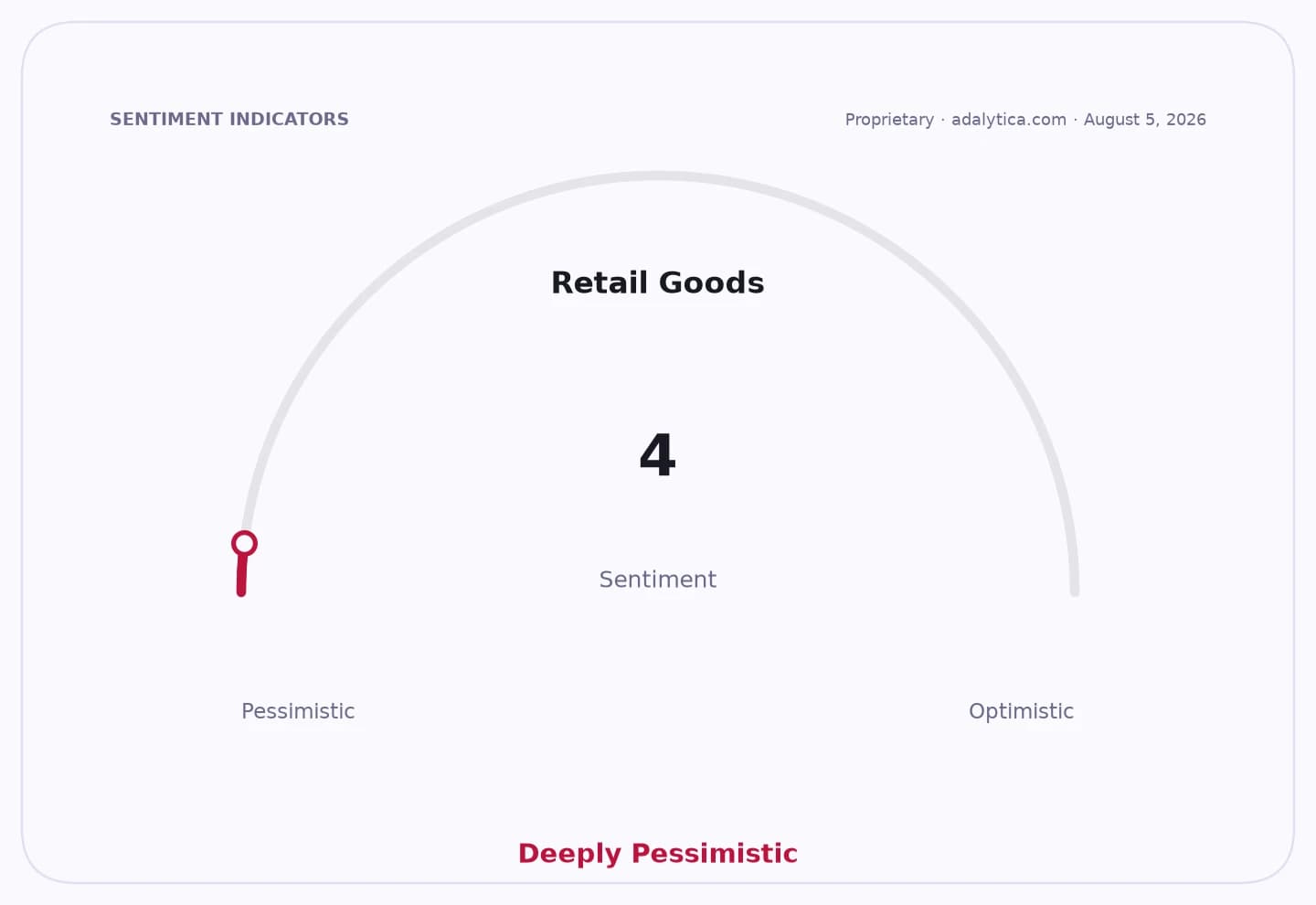
Sentiment IndicatorsⓘProprietary · adalytica.com · August 5, 2026
This is a snapshot — live sentiment, awareness and momentum for 130+ markets update continuously in the dashboard.Open AlphaPulse
That is a problem not just for one branch but for the wider sector. Retail goods spending sentiment tracked by Adalytica is in “Extreme Fear,” while consumer spending sentiment overall is still elevated. The split suggests households may still be spending, but are being selective, favoring essentials and experiences over items tied to home projects. For hardware and building-supply retailers, that usually translates into weaker volumes, less pricing power and a tougher backdrop for margins.
For investors, the key takeaway is that store rationalization is often a lagging indicator of demand stress. Branch closures can support profitability over time by cutting underperforming locations, but they also point to a business facing structural pressure from changing shopping habits, online competition and a more cautious consumer. Any company with exposure to mature European DIY markets will be watched for signs that weak footfall is becoming embedded rather than temporary.
Consumer Spending vs HDadalytica.com
Explore this data interactively — full history, time series and cross-market comparisons.Open AlphaPulse
The broader market message is that the consumer is not uniformly healthy. Large-ticket home-improvement purchases remain vulnerable when housing turnover is slow and renovation intent softens. If that trend persists, retailers may lean harder on promotions, smaller-format stores and e-commerce to defend share, but those shifts can also compress returns.
The question for investors is whether this is an isolated closure or the start of a wider reset in the sector’s footprint. A sustained downturn in DIY demand would favor the strongest operators with scale and logistics advantages, while smaller chains and legacy store networks face the greatest risk.
| Entity | Gains | Losses |
|---|---|---|
| Large DIY chains | ▲Cut weak stores | ▼Lower top-line growth |
| Consumers | ▲Better focus on value | ▼Fewer local options |
| Online/discount retailers | ▲Share gains | ▼— |
| Landlords and employees | ▲— | ▼Vacancy and job losses |