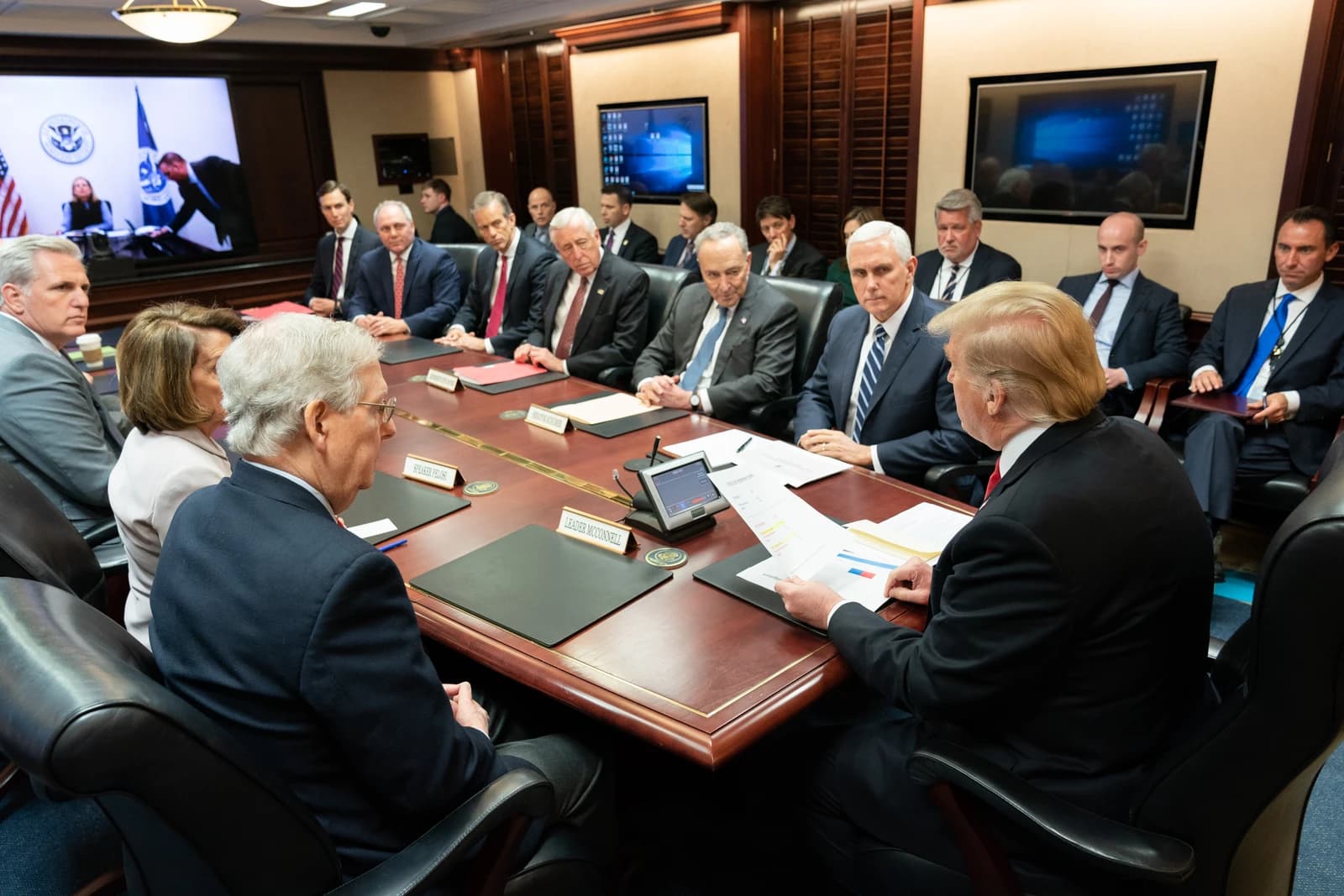
Donald Trump has been ordered to sit for a sworn deposition by Dec. 11 in his $10 billion defamation lawsuit against the BBC, a procedural ruling that raises the stakes in a case with reputational, legal and financial consequences for both sides.
BBC Defamation Case: Trump Ordered to Deposition
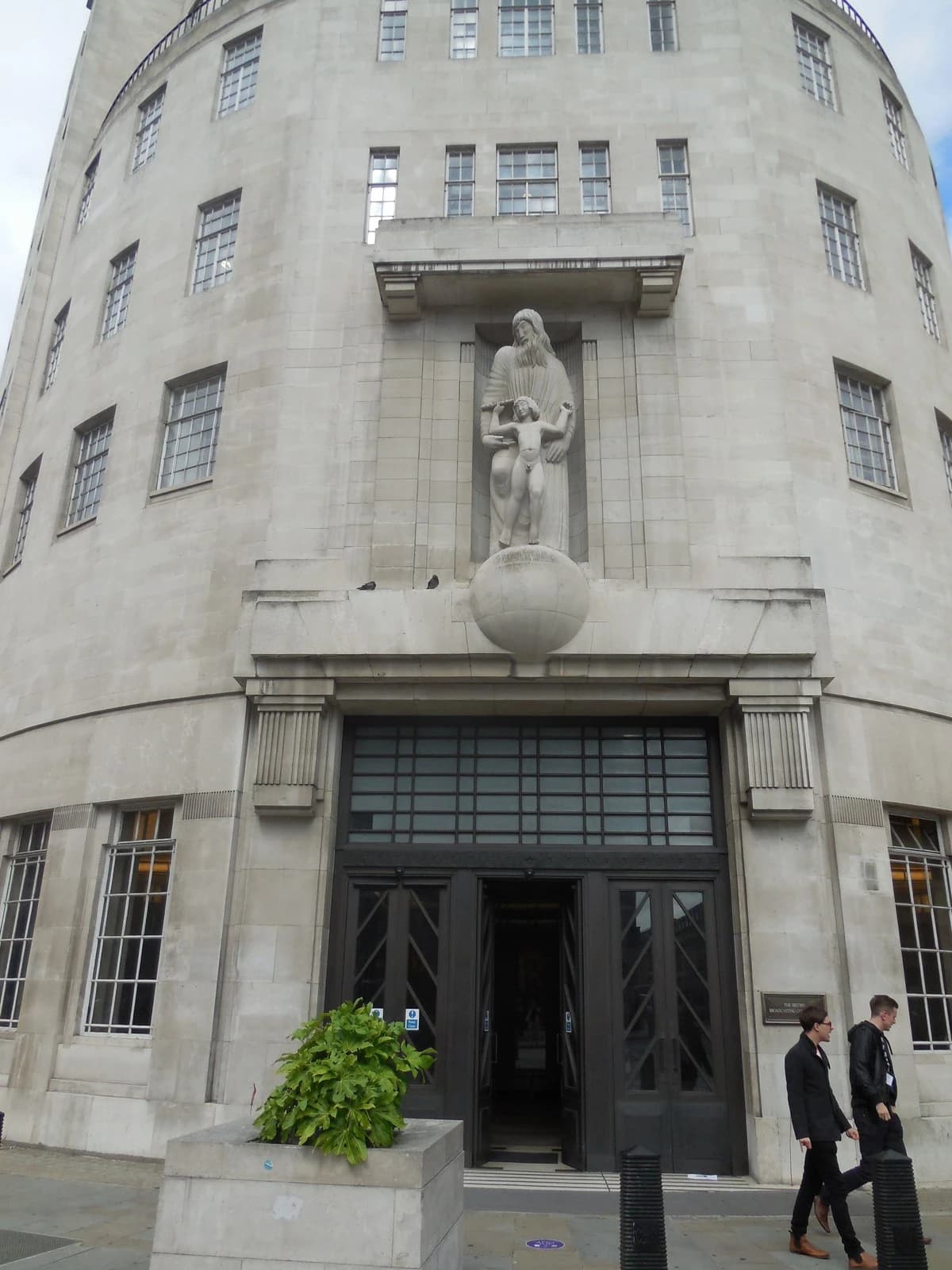
The order from U.S. District Judge Inga Lekht in Miami follows Trump’s failure to appear at a previously scheduled Oct. 16 session and gives the former president a firm timetable to provide testimony under oath. For the BBC, the ruling keeps alive a case it has sought to dismiss, even after issuing a public apology that led to the departure of several senior executives. For Trump, it removes some of the flexibility his legal team had sought by proposing a deposition window in January and forces him to engage earlier in a case centered on allegations that the broadcaster deceptively edited material to portray him as inciting violence around the Jan. 6, 2021 attack on the U.S. Capitol.
Sentiment Indicators
The economic significance is less about the headline damage claim than about the cost of prolonged litigation for a global media group already under pressure to defend its brand, finances and governance. A suit seeking more than $10 billion is enormous relative to the economics of most broadcasters, even if Trump ultimately falls far short of that amount or the case is dismissed. The BBC’s decision to apologize publicly suggests it sees material downside in the dispute, but its insistence that Trump has not shown actual harm points to a strategy aimed at limiting both liability and precedent.
For investors, the case is a reminder that litigation risk can move beyond legal expense and into valuation, governance and operating flexibility. Any broadcaster with exposure to politically sensitive content faces the possibility of higher insurance costs, more cautious editorial standards, and management distraction. The BBC is not publicly listed, but the implications extend to peers and to listed media companies such as Comcast’s NBCUniversal and News Corp, whose news operations also operate in a highly litigious environment.
Trump’s side has framed the missed earlier appearance as a matter of national responsibilities, but the court’s refusal to grant more time suggests the judge is willing to enforce discipline in a case with high visibility. If Trump complies, the deposition could clarify whether the lawsuit advances toward discovery and possible settlement leverage. If he resists, the risk shifts to sanctions and further procedural setbacks, increasing the odds that the courtroom fight becomes as important as the underlying defamation claim.
| Entity | Gains | Losses |
|---|---|---|
| Trump | ▲Leverage from sworn testimony | ▼Earlier procedural pressure |
| BBC | ▲Chance to contest the claim | ▼Ongoing legal and reputational risk |
| Media peers | ▲Cautionary precedent | ▼Higher litigation sensitivity |
| Broadcasters’ shareholders | ▲Limited direct impact | ▼Greater governance and legal-cost risk |