Meta is under fresh pressure over how it handles political content in Brazil’s presidential race, with United Nations human rights experts warning that the company must protect free expression as both campaigns accuse it of tilting the playing field.
Meta faces Brazil election content pressure

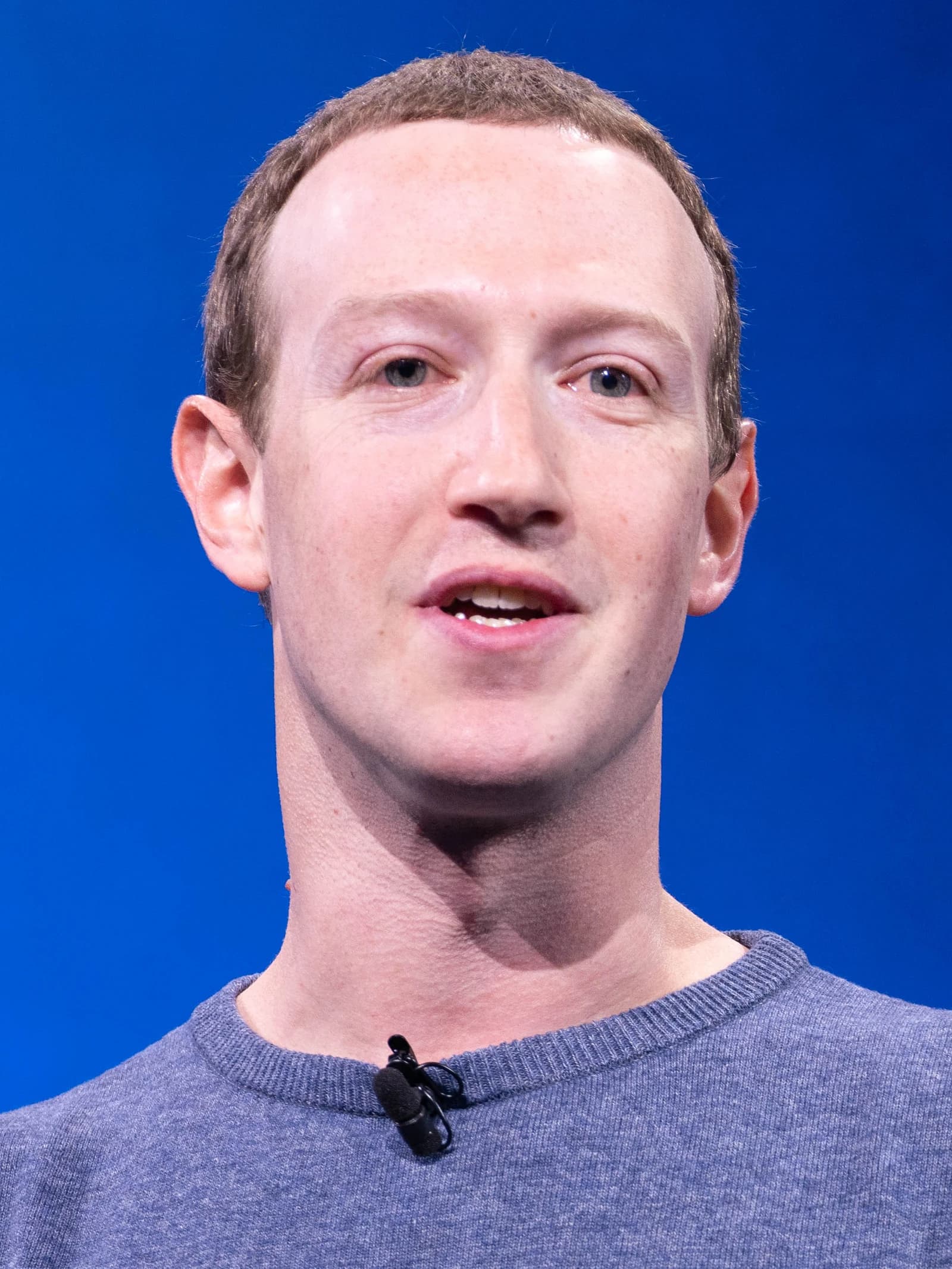
That matters because Brazil is one of the world’s most politically volatile and digitally active democracies, and any perception that Facebook, WhatsApp or Instagram is helping decide an election can quickly become a legal, reputational and regulatory problem for Meta. For investors, this is a reminder that the company’s biggest social platforms are not just advertising engines; they are also election infrastructure, which exposes Meta to recurring political and legal risk in major markets.
Sentiment Indicators
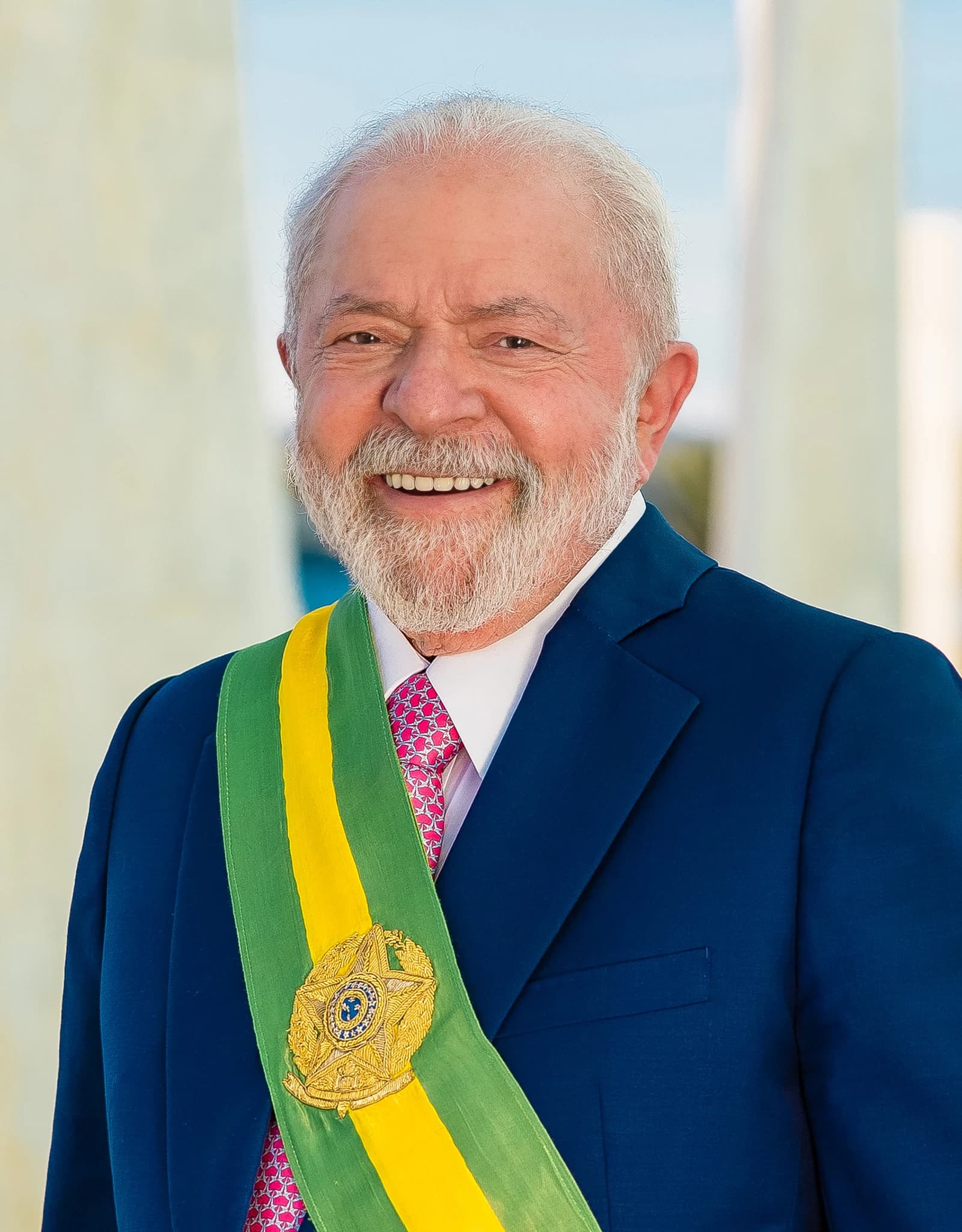
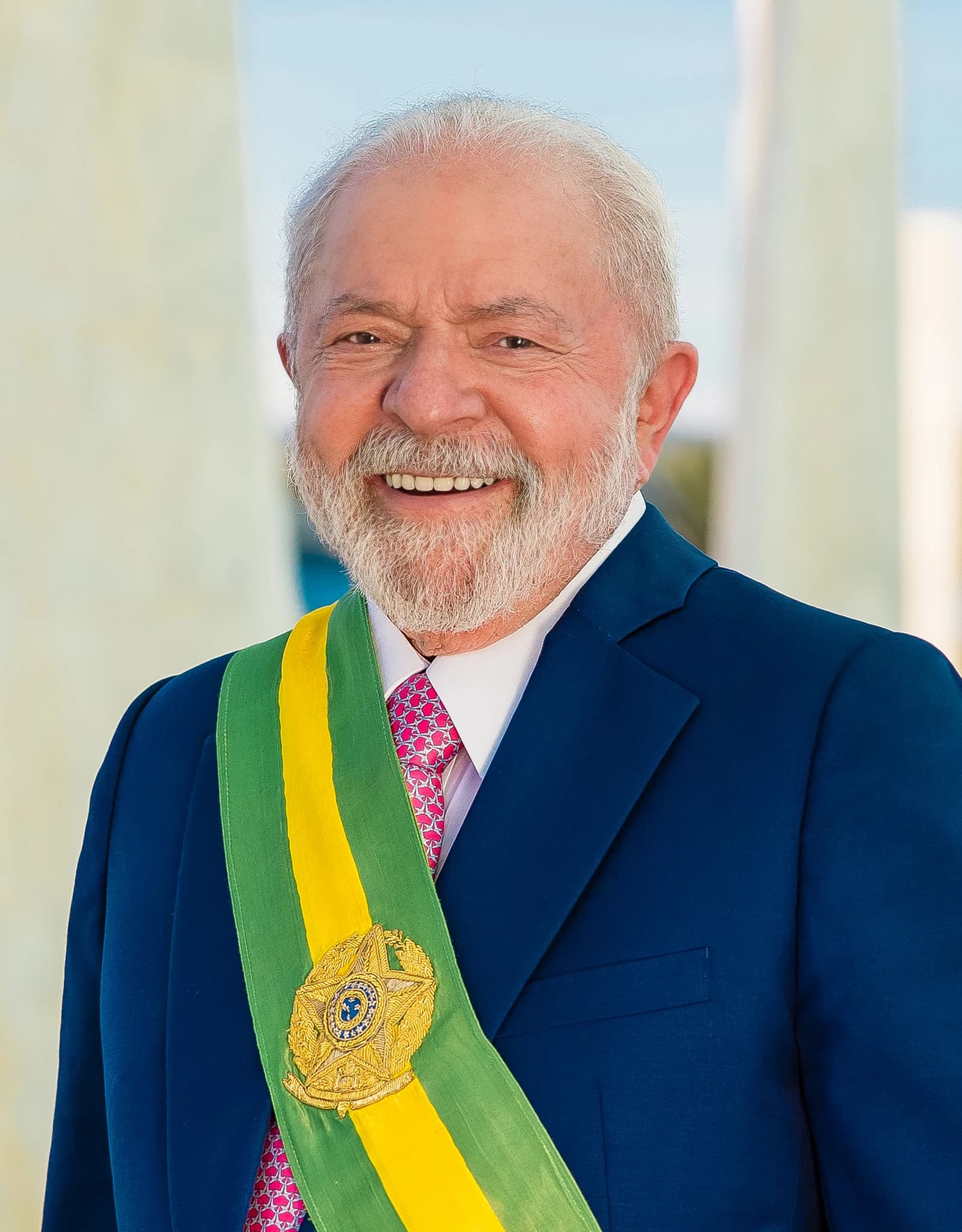
The left-leaning Luiz Inacio Lula da Silva campaign has accused Meta of removing its online content to favor rival Jair Bolsonaro, while Bolsonaro’s team has filed its own complaint alleging Lula abused power by flooding WhatsApp with government content. Meta says it has followed a Brazilian court order to treat both sides equally and denies favoring either camp.
The UN experts said thousands of accounts and posts had reportedly been suspended, downranked or restricted, including those belonging to journalists, human rights defenders, civil society groups and creators. They also said reports from Meta employees suggested accounts linked to one side had been disproportionately restricted, though they did not name a candidate.
For long-term shareholders, the deeper issue is that the same scale advantages that make Meta such a powerful digital ad platform also make it a constant target when elections turn contentious. Every crackdown on misinformation, every content-removal decision and every allegation of bias raises the odds of stricter local rules, more court orders and heavier compliance costs. Meta’s recent filing already underscores how much the company is adapting product and operational controls to local content laws, a sign that this pressure is not going away.
The market backdrop makes that especially important. Meta’s shares have been volatile, with conventional technical indicators showing a sharp pullback from recent highs and the stock trading below its 50-day and 200-day moving averages in the latest data. That kind of weakness may reflect broader risk aversion, but it also shows how quickly regulatory headlines can weigh on sentiment in a stock that investors still value for its long-term cash generation and dominant reach.
Google parent Alphabet is not directly in the crosshairs of this story, but the Brazil episode reinforces a broader theme for big internet platforms: the more central they become to information flow, the more they inherit the liabilities of public discourse. In that sense, the real winners are regulators and litigants who gain leverage, while platforms and advertisers absorb the uncertainty.
For patient investors, the question is not whether Meta can survive another election-cycle dispute — it almost certainly can. The real question is how much recurring political risk should be priced into a business whose economics still depend on trust, scale and access to users across the globe. That makes Meta worth watching closely, but also worth owning only with a long time horizon and a diversified portfolio.
| Entity | Gains | Losses |
|---|---|---|
| Brazil regulators and courts | ▲More leverage over platforms | ▼Less room for discretion |
| Meta | ▲Long-term need for clearer rules | ▼Legal risk and reputational strain |
| Lula and Bolsonaro camps | ▲Chance to challenge rivals | ▼Exposure to content restrictions |
| Advertisers and users | ▲Cleaner election environment | ▼More uncertainty over speech rules |