The White House has given Politico 48 hours to retract or correct a series of reports on internal Trump administration feuding, escalating a clash that matters less for one media outlet than for the broader balance of power between the presidency and the press.
White House gives Politico 48 hours to retract reports
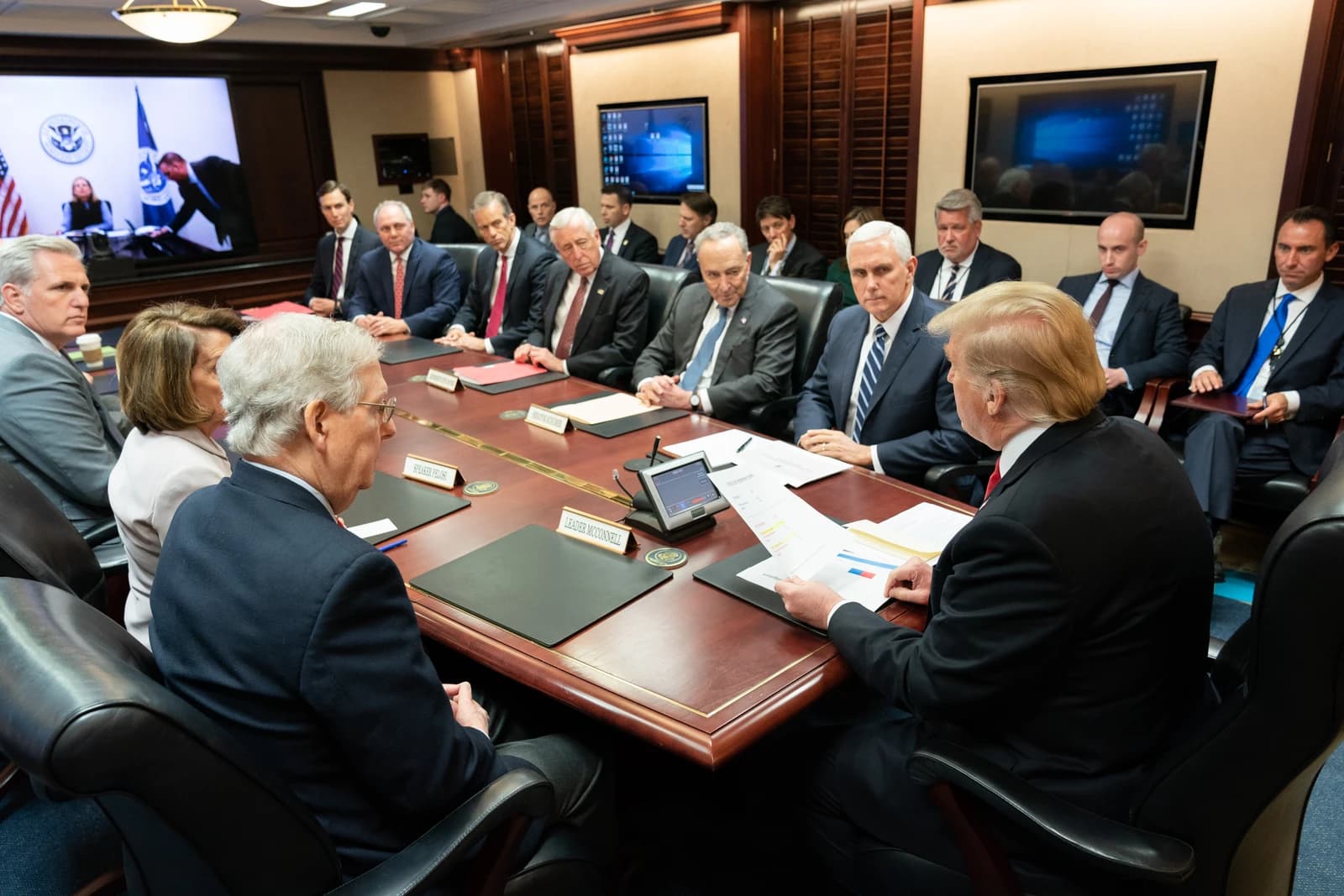
For investors, the immediate issue is not a single headline but the chance that this fight deepens a widening chill around media access, legal exposure and political risk for news businesses that rely on White House coverage, subscriptions and advertising credibility. Politico, CNN and MS NOW have already faced access restrictions, and a federal judge only recently restored some of that access after the administration moved to shut them out.
Sentiment Indicators
The ultimatum centers on three Politico stories that questioned whether Trump was considering replacing chief of staff Susie Wiles and suggested she may have played a role in arranging a Fox News interview that was later portrayed as a setup. The White House says it had already provided text messages showing that the interview was arranged by the reporter involved, not Wiles, and is demanding a public apology, a visible correction and removal of the articles from digital archives.
That demand is economically important because it signals that the Trump team is willing to use the full toolkit of presidential pressure: access control, litigation threats and, potentially, a broader campaign to frame news organizations as bad-faith actors. That raises the cost of aggressive political reporting and could force media companies to spend more on legal defense, audience trust and lobbying for access. It also underscores the value of scale and diversified revenue for publishers that cannot afford a prolonged fight with Washington.
The White House has not been shy about punishing outlets it dislikes. Trump previously barred the Associated Press from the Oval Office and Air Force One after a dispute over terminology, and the administration has already kept Politico, CNN and MS NOW away from some presidential events before a court intervened. CNN has separately threatened legal action to regain access. In other words, this is not a one-off squabble; it is part of a broader pattern of institutional confrontation.
For Politico’s owner, Axel Springer, the stakes are reputational as well as commercial. The White House has already tried to paint Politico as a foreign-influenced operation because it is owned by a German company, a line that could become more common if the dispute widens. That may not move the stock by itself, but it can shape how investors think about regulatory and political overhangs for media assets that depend on access-driven journalism.
The market reaction is modest but telling. News Corp. shares have been relatively steady near $30, while Fox has traded around the high-$50s and low-$60s, reflecting the market’s broader view that political crossfire is more of a headline risk than a fundamental threat for large media groups with multiple revenue streams. Still, the episode is a reminder that in media, political capital and business capital can collide quickly.
Long term, the real question for investors is whether the press fight becomes normalized. If so, publishers with strong brands, legal resources and diversified income will be better positioned than niche players that depend heavily on access to power. For now, this is worth watching as a test of how far the White House is prepared to go — and how much pressure the media industry can absorb without giving up the core value of independent reporting.
| Entity | Gains | Losses |
|---|---|---|
| White House | ▲tighter message control | ▼credibility risk |
| Politico | ▲publicity from the fight | ▼access, legal risk |
| Fox News | ▲distance from controversy | ▼none directly |
| Media investors | ▲clearer political risk pricing | ▼higher litigation and access costs |