Timor-Leste’s prime minister has used the country’s Press Freedom Day to frame artificial intelligence as both a tool for newsroom efficiency and a growing threat to editorial integrity, a sign that governments are moving to set boundaries around AI before trust in news erodes further.
Timor-Leste PM Warns on AI in Newsrooms
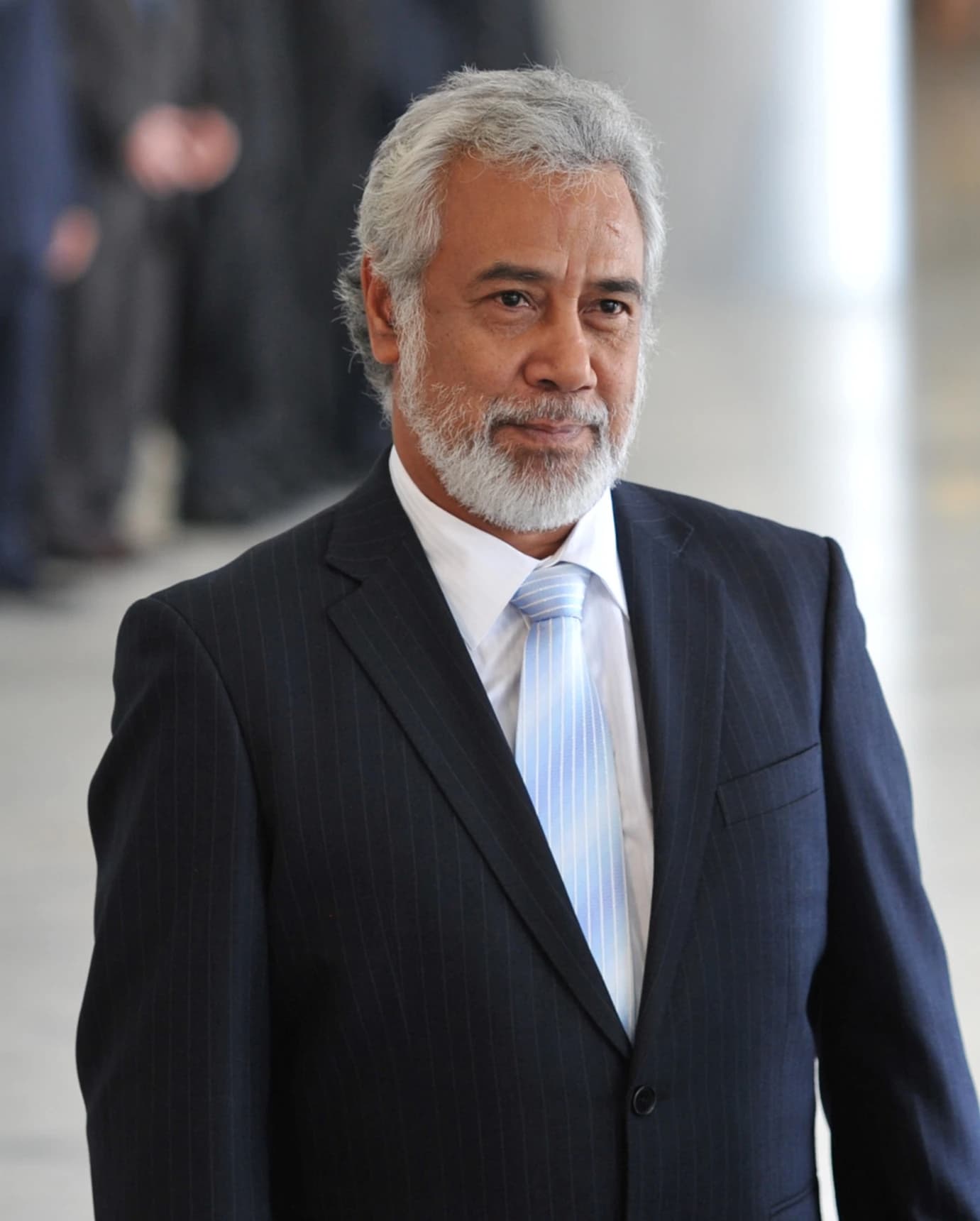
Xanana Gusmão said journalists should not let speed overtake verification, warning that AI-generated content, manipulated video and false reports are making it easier to mislead the public. His comments matter beyond a ceremonial message: in a small media market like Timor-Leste, where newsrooms often operate with limited resources, the spread of cheap synthetic content can magnify misinformation faster than institutions can respond.
Sentiment IndicatorsⓘProprietary · adalytica.com · October 23, 2026
This is a snapshot — live sentiment, awareness and momentum for 130+ markets update continuously in the dashboard.Open AlphaPulse
The broader economic issue is trust. Journalism underpins the flow of information that households, businesses and policymakers use to make decisions, and AI can improve reporting through data analysis, research support and faster production. But it also lowers the cost of producing convincing falsehoods, raising the risk of reputational damage for publishers and political friction for governments that are already under pressure to respond to online disinformation.
For investors, the message reinforces a wider industry theme: AI adoption in media is likely to remain uneven and heavily shaped by governance, compliance and editorial controls. That dynamic is already visible across the sector, where newsrooms are experimenting with AI-assisted fact-checking even as journalists push back against job cuts and quality concerns. The tension is not whether AI enters journalism, but whether publishers can use it without degrading credibility — the core asset that supports advertising, subscriptions and audience loyalty.
Gusmão’s call for cooperation among government, the press council, journalists’ groups, schools and civil society also points to a regulatory and institutional response that is becoming more common globally. His warning that anti-fake-news efforts must not be used to silence criticism is particularly important in a young democracy, where the line between content moderation and censorship can be politically sensitive.
The practical implication is that the winners in the AI-news cycle will be outlets and platforms that can pair automation with verifiable sourcing, human oversight and transparent standards. The losers are publishers that chase speed at the expense of accuracy, and public institutions that fail to provide timely official information, leaving a vacuum that synthetic content can fill.
As governments and media groups debate AI guidelines, the central question is shifting from how to use the technology to how to preserve accountability around it. Gusmão’s remarks suggest that for journalism, the competitive advantage will not come from publishing faster, but from proving that what is published can still be trusted.
| Entity | Gains | Losses |
|---|---|---|
| Responsible newsrooms | ▲Stronger credibility | ▼Slower production |
| AI-driven disinformation | ▲Wider reach | ▼Tighter scrutiny |
| Timor-Leste government | ▲Better public communication | ▼Less room to dominate the narrative |
| Journalists and readers | ▲More fact-based reporting | ▼Higher verification burden |