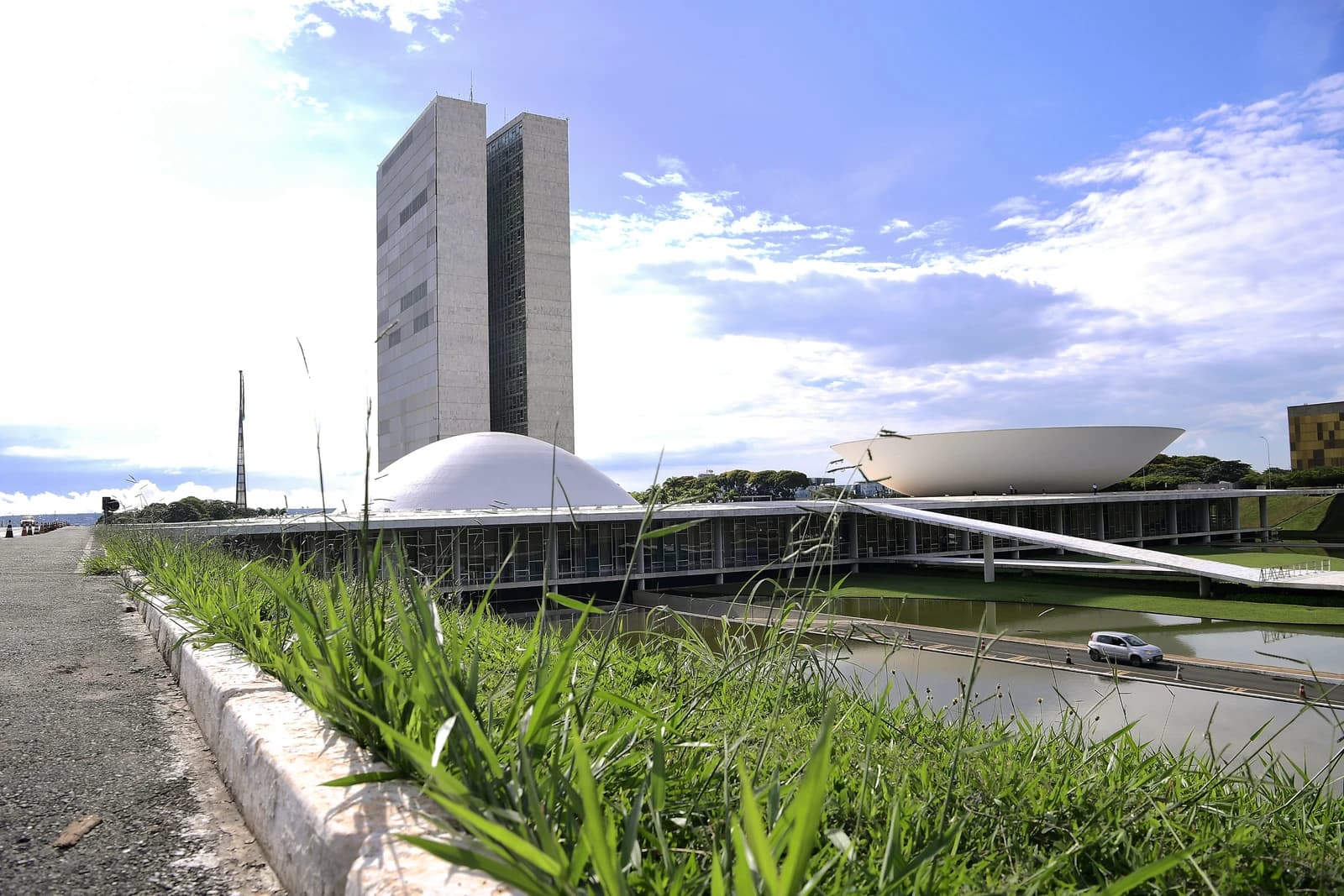
Brazil’s 2026 election is becoming as much a technology and sovereignty test as a political one, with regulators pressing Meta over fairness on its platforms just as concerns mount about artificial intelligence, foreign influence and the fragility of online discourse.
Brazil election scrutiny rises over Meta and AI

That matters because Brazil is not just voting for a president and Congress; it is also stress-testing whether a modern democracy can keep pace with platforms that shape what millions see, share and believe. When the country’s electoral court orders a tech giant to act within 24 hours and the opposition accuses platforms of bias, the dispute stops being about one company’s moderation policy and becomes a question of institutional credibility.
Sentiment IndicatorsⓘProprietary · adalytica.com · October 20, 2026
This is a snapshot — live sentiment, awareness and momentum for 130+ markets update continuously in the dashboard.Open AlphaPulse

The broader economic relevance is hard to miss. Elections now affect everything from fiscal policy and state intervention to the regulatory climate for big tech, telecoms and media. For investors, Brazil’s political risk premium rises when the information environment looks unstable, because uncertainty around the vote can spill into the real economy through capital flows, the currency and corporate valuations. The Brazilian real has been choppy, with the dollar around 5.04 reais in the latest trading, while the EWZ Brazil ETF has climbed to about $41.93, reflecting a market that is still willing to own Brazilian assets even as political noise grows.
But the rally in EWZ should not be mistaken for calm. The ETF is trading well above its 50-day and 200-day moving averages, a sign of strong momentum, yet its relative strength index is still elevated, suggesting investors are already pricing in a lot of optimism. That leaves Brazil exposed if election tensions deepen or if regulatory clashes with global platforms escalate. Meta, meanwhile, faces a familiar but increasingly important risk: governments are no longer treating social-media systems as neutral plumbing, and the legal and reputational costs of moderation failures keep rising.
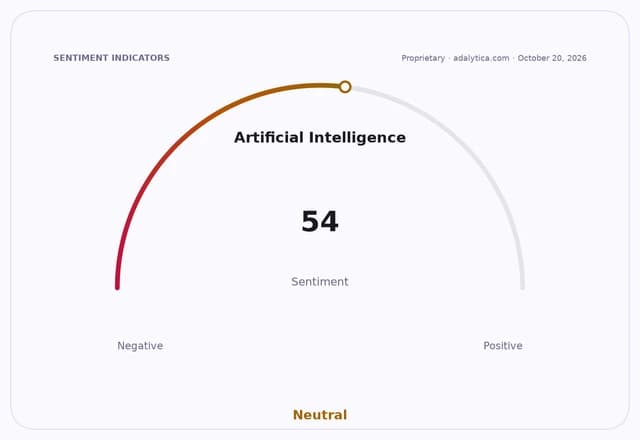
Artificial intelligence adds another layer to the story. As campaigns use AI-generated content, translation, targeting and misinformation tactics, the line between persuasion and manipulation gets thinner. Brazil’s electoral system has long prided itself on electronic voting and quick results, but the battle over legitimacy is increasingly happening before voters even reach the ballot box. That makes transparency, enforcement and cross-border pressure central issues, not side stories.
For long-term investors, the lesson is not to trade every headline but to understand the regime shift. In Brazil, digital platforms are becoming political infrastructure, and infrastructure attracts regulation. That can create volatility, but it can also create opportunity for patient investors who focus on balance sheets, cash flow and competitive advantages rather than short-term election drama. For now, the country’s democracy is still functioning — but the market is right to treat the next phase of the election as a risk event worth watching closely.
| Entity | Gains | Losses |
|---|---|---|
| Brazilian electoral institutions | ▲greater scrutiny | ▼added pressure to enforce quickly |
| Meta and big tech platforms | ▲user engagement if trusted | ▼regulatory and reputational risk |
| Brazilian democracy | ▲stronger oversight debate | ▼higher disinformation pressure |
| Investors in Brazilian assets | ▲possible reform upside | ▼higher political volatility |