Brazil’s evangelical community is showing signs of backlash against the politicization of religion, a shift that matters well beyond church pews because it could reshape voter coalitions in Latin America’s largest economy and alter the political footing of the country’s right wing.
Brazil evangelicals resist religion's politicization

That frustration is not just cultural noise. Evangelicals have been one of the most important social blocs in Brazil’s recent elections, and their backing has helped conservative politicians build durable support. If a meaningful slice of that constituency begins to feel alienated by the far right’s use of religion, it could weaken a key electoral machine heading into future campaigns and complicate efforts to mobilize voters around identity rather than policy.
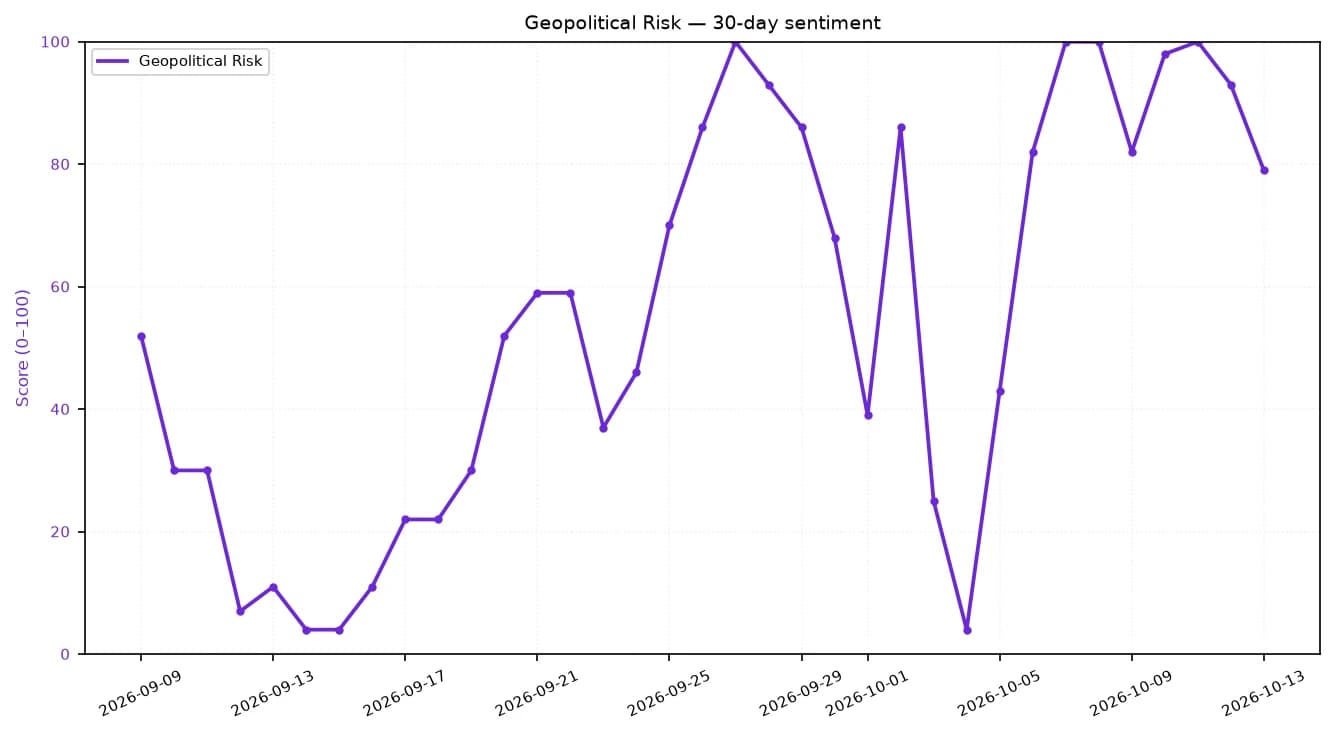
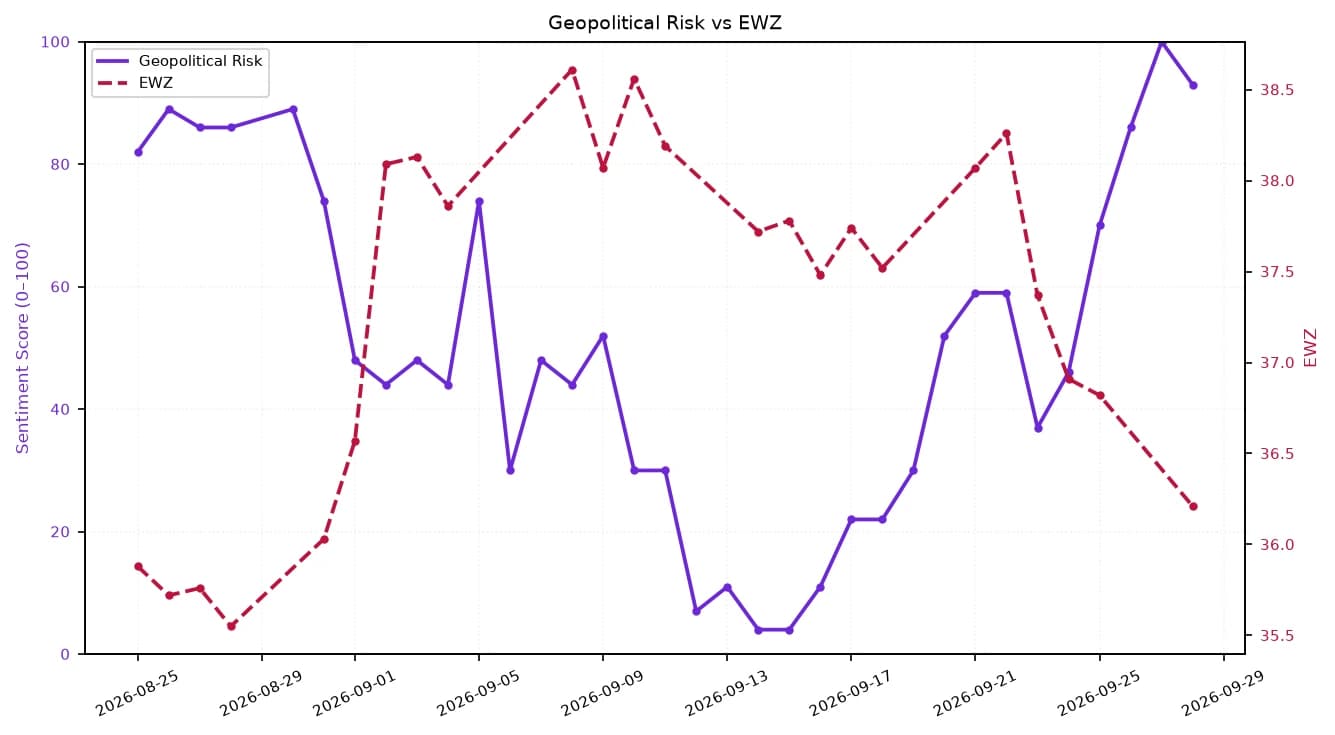
Sentiment IndicatorsⓘProprietary · adalytica.com · October 16, 2026
This is a snapshot — live sentiment, awareness and momentum for 130+ markets update continuously in the dashboard.Open AlphaPulse
The tension comes as Brazil’s faith landscape grows more visible in politics. Catholic leaders have leaned into messages of unity, including the National Conference of Bishops of Brazil expressing solidarity with Pope Francis, while devotion to Our Lady of Aparecida remains a powerful national symbol. But religious symbolism has also been pulled into partisan battles, and evangelical leaders and voters increasingly appear uncomfortable with being treated as a political instrument.
For investors, that matters because Brazil’s policy direction is shaped by the coalitions that can survive the next election cycle. A more fractured evangelical vote could change the odds for reform agendas, fiscal policy and regulatory continuity, all of which feed into risk appetite for Brazilian assets. The iShares MSCI Brazil ETF, EWZ, has rallied hard this year, rising to $41.58 in the latest session from the mid-$30s over the summer, but its technicals now show a market that is extended, with the relative strength index still elevated even after the recent pullback. That leaves the stock market sensitive not only to rates and commodities, but to political shifts that could influence the path of policy.
The broader narrative is straightforward: Brazil’s religious voters are not leaving politics, but some are resisting being absorbed by it. That is important because faith remains one of the country’s most potent identity markers, and when identity becomes campaign machinery, backlash can arrive just as quickly as enthusiasm. Investors should keep watching whether this discomfort turns into a broader realignment — because in Brazil, political coalitions can move markets long before ballots are cast.
| Entity | Gains | Losses |
|---|---|---|
| Moderate evangelicals | ▲Political independence | ▼Partisan pressure |
| Brazilian far right | ▲Mobilized base | ▼Religious credibility |
| Brazil’s centrist parties | ▲Room to compete | ▼Polarized field |
| EWZ investors | ▲Longer-term policy clarity | ▼Election-driven volatility |