Dozens of protesters gathered outside Meta’s São Paulo headquarters to accuse the U.S. tech giant of meddling in Brazil’s presidential election and favoring Flávio Bolsonaro, putting fresh political pressure on one of the country’s most influential digital platforms.
Meta São Paulo Protest Over Brazil Election
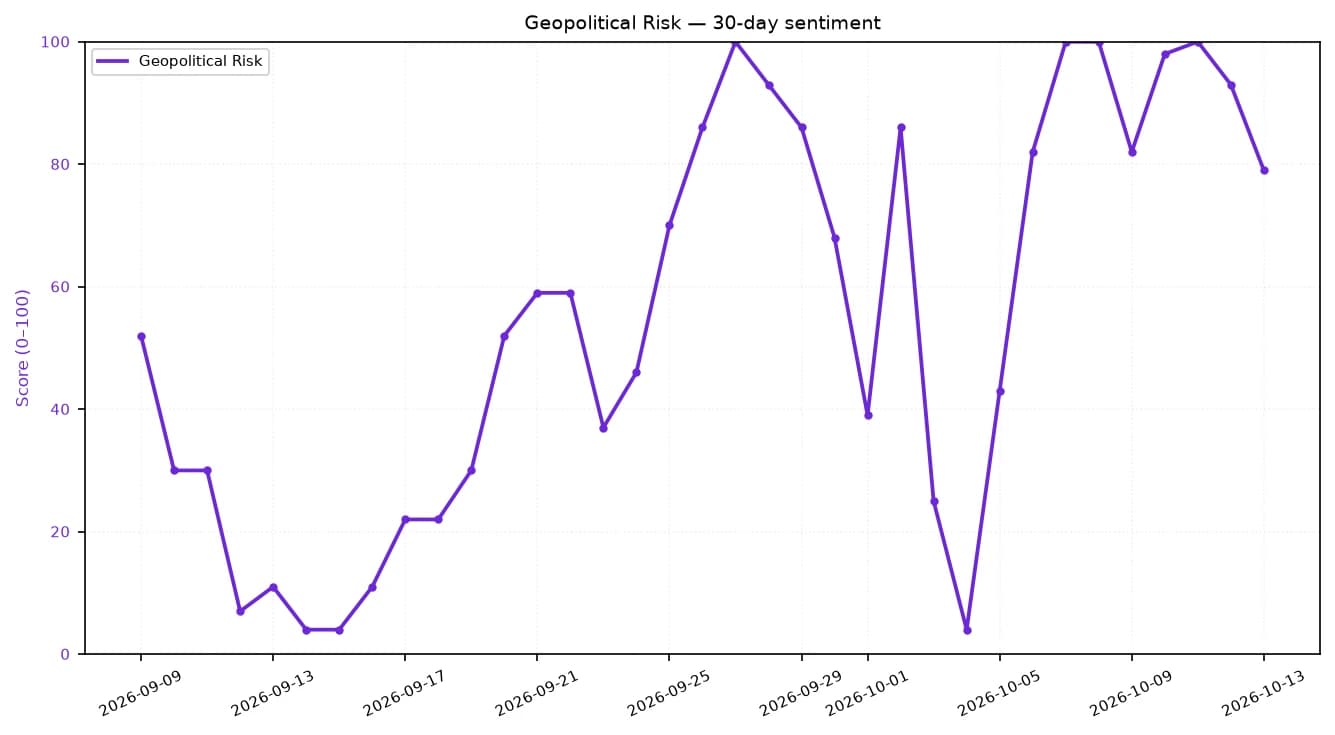
The demonstration underscores how social media companies have become central battlegrounds in Brazil’s politics, where control over online speech, campaign reach and misinformation can shape voter behavior. For investors, the risk is that any escalation into regulatory scrutiny, content restrictions or platform backlash could weigh on Meta’s ad business in Latin America’s largest economy.
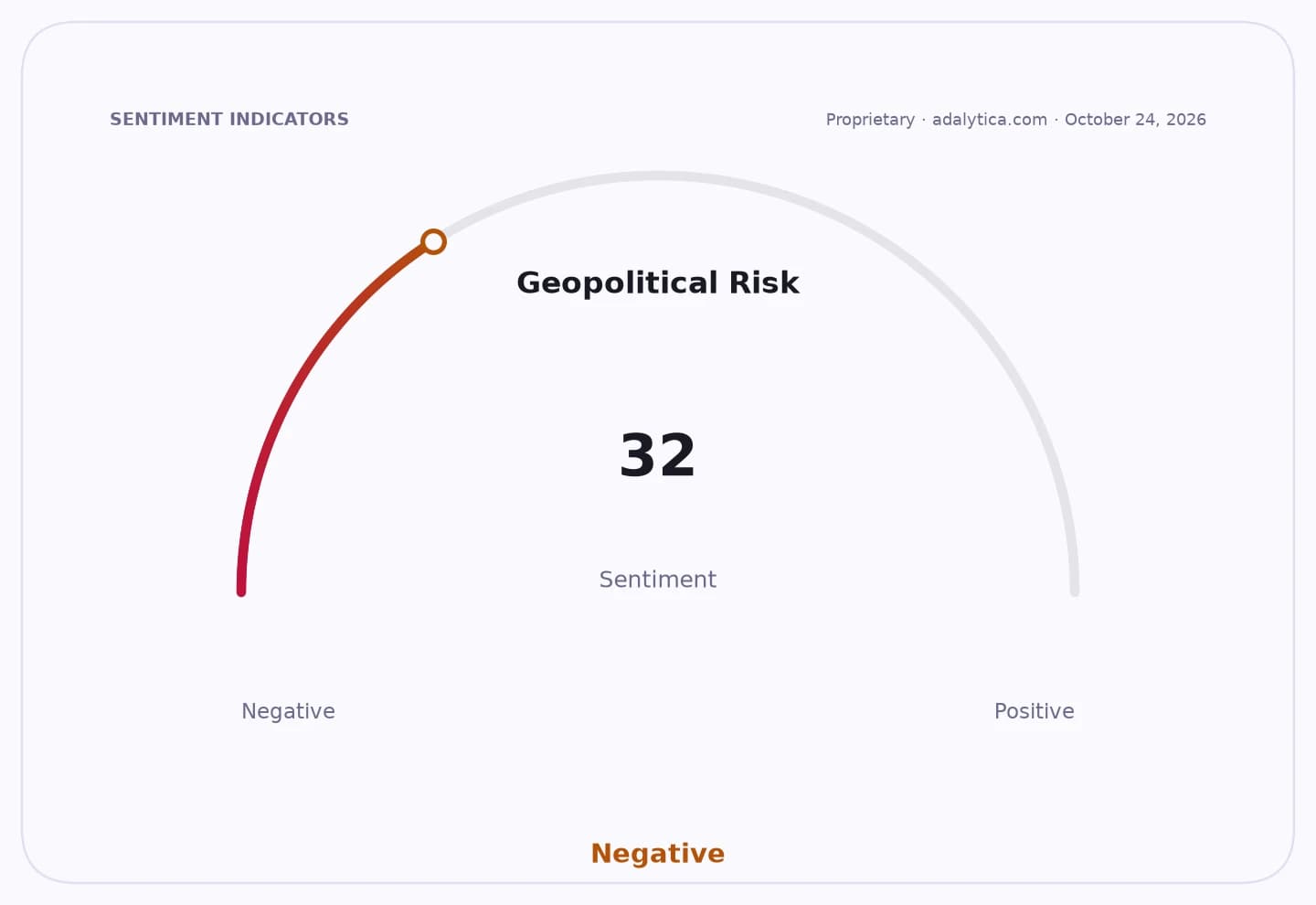
Sentiment IndicatorsⓘProprietary · adalytica.com · October 24, 2026
This is a snapshot — live sentiment, awareness and momentum for 130+ markets update continuously in the dashboard.Open AlphaPulse
Protesters chanted “Meta, não se meta” — roughly, “Meta, don’t interfere” — outside the office that houses WhatsApp, Instagram and Facebook in São Paulo’s central district. The action adds to a broader pattern of public suspicion toward global platforms in politically charged elections, especially in markets where digital advertising and messaging apps are deeply embedded in daily life.
The immediate market impact is likely limited, but the longer-term stakes are higher for Meta and peers that rely on Brazil for user growth and ad spending. Any move by authorities to examine the company’s role in the campaign could revive concerns about platform liability, election rules and moderation costs.
Brazilian assets have also been sensitive to political noise more broadly, with investors watching for any sign of instability that could spill over into the currency, equities and local consumer sentiment. The country’s ETF EWZ has recently traded well above its 50-day and 200-day moving averages, but the retreat in the relative strength index from overbought levels shows the market is already prone to swings as headlines build.
Petrobras shares have been similarly firm, with PBR recently holding above both its 50-day and 200-day moving averages, while technical readings remain elevated. That leaves Brazilian equities exposed if election tensions intensify or if foreign investors decide the political backdrop is becoming less predictable.
For now, the protests are more a warning sign than a market shock. The key risk is whether the complaints stay on the street or turn into regulatory or legal action that could force Meta to change how it operates in Brazil ahead of the election.
| Entity | Gains | Losses |
|---|---|---|
| Protesters | ▲Political visibility | ▼Platform influence |
| Meta | ▲None immediately | ▼Reputational risk |
| Flávio Bolsonaro | ▲Support from alleged favoritism | ▼Scrutiny over campaign links |
| Brazil investors | ▲Clarity if rules tighten | ▼Volatility if tensions rise |