Brazil’s next political fight over technology is moving from content moderation to sovereignty, and that matters because whoever writes the rules for digital platforms will shape the country’s democracy, data economy and investment climate for years to come.
Brazil Digital Regulation Debate for Big Tech

Elias Jabbour, the federal deputy-elect, is arguing that the left should make digital security a top legislative priority from 2027, with tighter regulation of big tech, new national platforms and a broader push for technological self-reliance. That is not just a political slogan. In Brazil, where Meta’s Facebook, Instagram and WhatsApp are deeply embedded in daily communication and electioneering, the debate goes straight to the heart of information flow, consumer behavior and state authority.
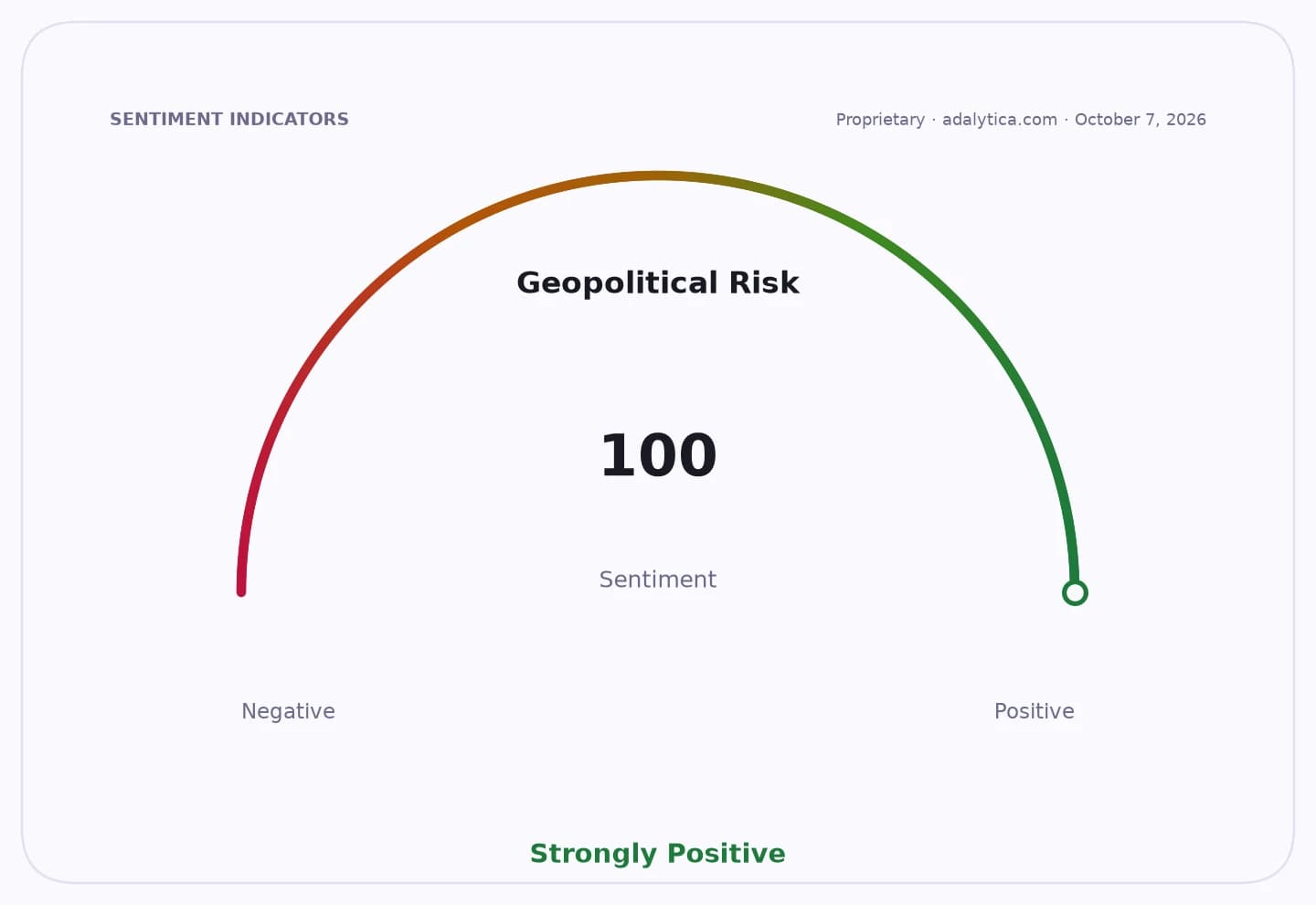
Sentiment IndicatorsⓘProprietary · adalytica.com · October 22, 2026
This is a snapshot — live sentiment, awareness and momentum for 130+ markets update continuously in the dashboard.Open AlphaPulse

For investors, the issue is bigger than a noise risk around social media. A more assertive Brazilian stance on digital regulation could raise compliance costs for U.S. tech firms, alter how data is stored and processed locally, and potentially open the door for domestic competitors in payments, messaging, cloud services and digital advertising. Meta and other platforms already face a global patchwork of investigations and rule-making; Brazil would add another large and politically significant layer.
Jabbour’s more radical point is that regulation alone is not enough. He wants the country to build its own platforms and “its own big techs,” tying digital policy to industrial policy and what he calls technological sovereignty. That is a far harder project than passing a bill, but it reflects a broader economic logic: countries that control digital infrastructure capture more value, preserve more strategic autonomy and reduce dependence on foreign companies that can be subject to external political pressures.
The timing also matters. Brazil’s economy remains heavily exposed to foreign capital, global trade and the trajectory of the local currency, which in the data context is trading around 5.03 reais per dollar. A homegrown digital ecosystem would not emerge overnight, but a policy regime that favors local infrastructure, public procurement and domestic technology champions could redirect investment over time into software, telecoms, cloud and cybersecurity.
That is why the market should not dismiss this as rhetoric from the left. Brazil has been moving in fits and starts toward tougher digital oversight, and the political coalition around such measures could widen if concerns about misinformation, electoral manipulation and platform power keep growing. The clearest near-term losers would be the foreign platforms that dominate Brazil’s digital life; the likely winners would be local firms, regulators and any investor positioned for a more protected domestic tech stack.
For long-term investors, the takeaway is straightforward: watch Brazil’s digital policy as carefully as its fiscal policy. If Jabbour’s agenda gains traction, it could become one of the most consequential structural shifts in the country’s tech and communications landscape. That is worth keeping on the watchlist, especially for anyone with exposure to Brazil through the EWZ ETF, telecoms and internet infrastructure.
| Entity | Gains | Losses |
|---|---|---|
| Brazilian regulators | ▲More authority over platforms | ▼Less room for policy drift |
| Local tech firms | ▲Favorable policy tailwind | ▼Competition from incumbents |
| Meta and other big techs | ▲Clearer rulebook if negotiated | ▼Higher compliance and political risk |
| EWZ investors | ▲Potential domestic tech upside | ▼Short-term regulatory uncertainty |