Brazil’s president is signaling that the country can absorb friction with Washington, and investors should take that seriously: the bigger story is not a diplomatic spat, but Brazil’s accelerating pivot toward other buyers as U.S. trade weakens. Luiz Inácio Lula da Silva said Brazil has already lost 9% in trade with the United States while growing 20% with China, 15% with Indonesia, 16% with Germany and 13% with Vietnam, underscoring a reordering of Brazil’s external demand that could reshape capital flows, commodity revenues and equity positioning.
Brazil Trade Shifts Toward China and Asia
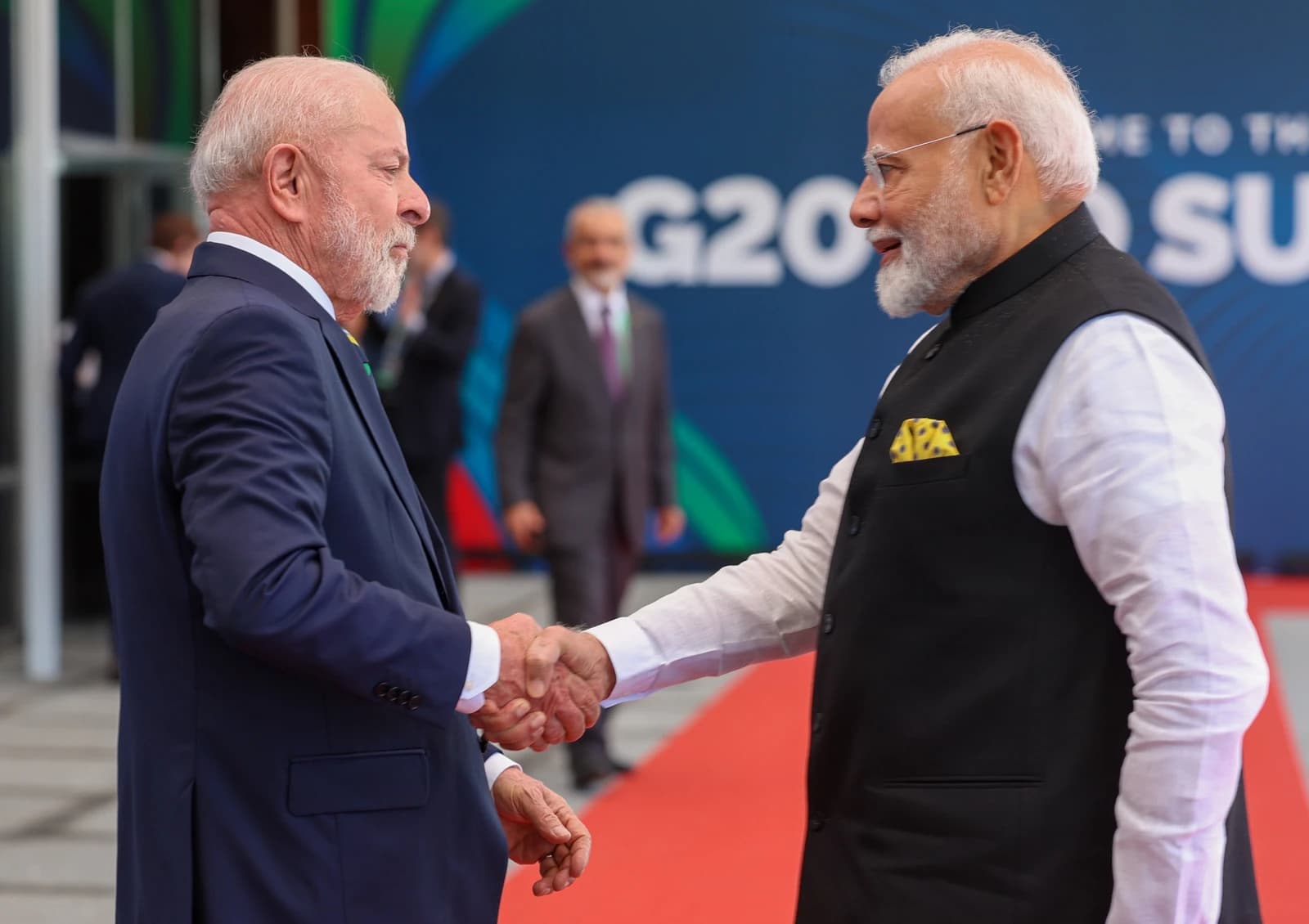
That matters economically because Brazil is not waiting for the U.S. to decide its growth path. Lula said officials from both countries are still negotiating a commercial deal, but he paired that with a broader message: Brazil is posting a record trade surplus and expanding commerce with 50 countries he has visited. In other words, the market should view Brazil less as a one-market story tied to U.S. policy risk and more as a diversified exporter with multiple growth lanes.
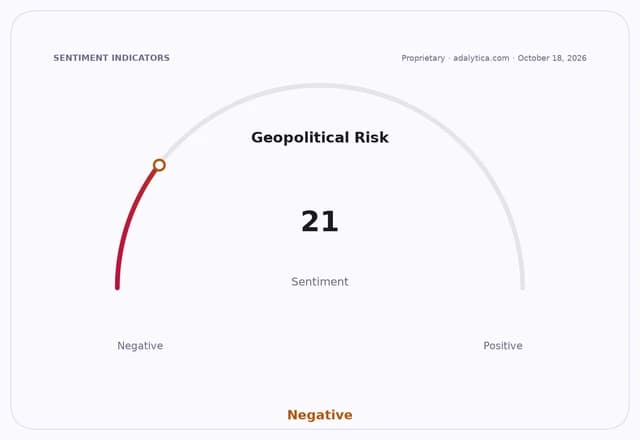
Sentiment IndicatorsⓘProprietary · adalytica.com · October 18, 2026
This is a snapshot — live sentiment, awareness and momentum for 130+ markets update continuously in the dashboard.Open AlphaPulse
For investors, that is a meaningful shift. If Brazil can keep redirecting exports toward China and other large emerging markets, the country’s external balance becomes less vulnerable to a single political relationship, while its commodity-linked earnings remain supported. That is constructive for Brazilian assets broadly, including the iShares MSCI Brazil ETF, EWZ, which has surged to $41.83 and now trades well above its 50-day and 200-day moving averages, with the 14-day RSI showing strong momentum. Petrobras, the country’s flagship producer, has been an even more direct beneficiary: PBR closed at $26.00, also above both its 50-day and 200-day moving averages, as investors continue to price in robust cash generation and Brazil’s strategic importance in global energy supply.
The market backdrop adds another layer. Adalytica’s Global Stability Sentiment has slid to 21, in “fear,” while its U.S. dollar trade signals show weaker sentiment even as awareness remains elevated, a combination that typically favors exporters and commodity producers over import-sensitive sectors. If Lula’s trade narrative holds, Brazil’s biggest winners are likely to be the hard-currency earners with global pricing power, not the domestic sectors exposed to U.S. retaliation or a renewed dollar squeeze.
That leaves Washington with less leverage than it may expect and Brazil with more optionality than the market has priced in. The investable thesis is straightforward: if Brazil keeps broadening its trade map while maintaining a record surplus, the upside sits with exporters, energy names and broad Brazil ETFs, while the risk is concentrated in any business model that still assumes the U.S. remains Brazil’s dominant commercial anchor. For now, I believe the market underestimates how much Brazil’s growth story is being rewritten by Asia, not by the United States.
| Entity | Gains | Losses |
|---|---|---|
| Brazil exporters | ▲More buyers abroad | ▼U.S. trade reliance |
| China | ▲Bigger Brazil trade share | ▼U.S. influence on Brazil trade |
| Petrobras (PBR) | ▲Export-linked cash flow | ▼Policy friction risk |
| EWZ holders | ▲Stronger Brazil allocation thesis | ▼Dollar or trade shock exposure |