Brazil’s presidential race is turning into a referendum on institutions, and the latest clash over banking secrecy underscores why investors are treating the runoff as a market event as much as a political one.
Brazil election lifts EWZ and Petrobras

After a debate marked by personal attacks and no clear winner, Luiz Inácio Lula da Silva challenged rival Jair Bolsonaro to lift his banking secrecy, pushing corruption and transparency back to the center of a contest that polls say remains too close to call. The exchange matters because Brazil’s next government will shape not only fiscal and regulatory policy, but also the credibility of the judiciary and the investment climate in Latin America’s largest economy.
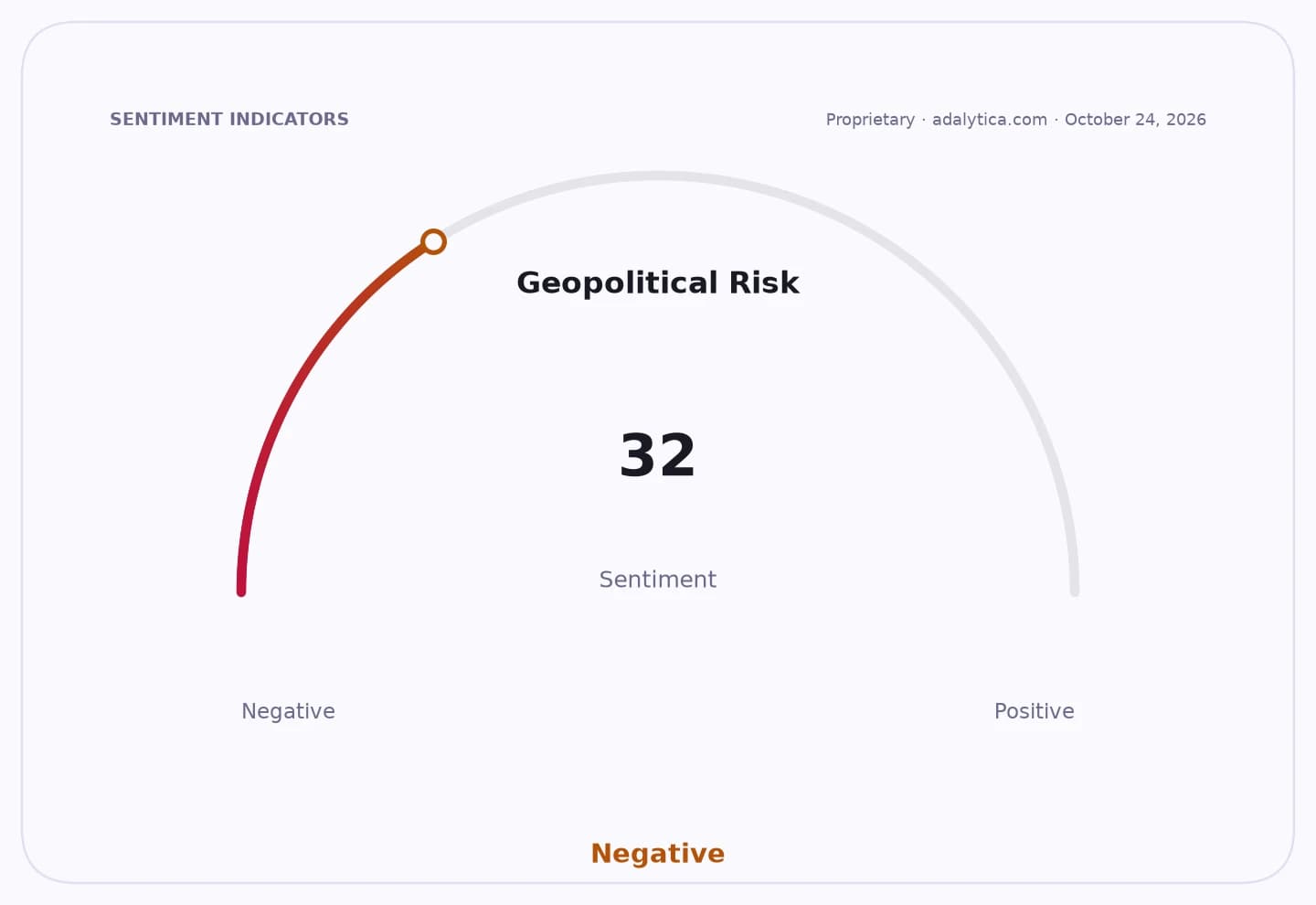
Sentiment IndicatorsⓘProprietary · adalytica.com · October 24, 2026
This is a snapshot — live sentiment, awareness and momentum for 130+ markets update continuously in the dashboard.Open AlphaPulse
The political stakes are showing up in markets. The iShares MSCI Brazil ETF, EWZ, closed at 42.59 on Oct. 23, up from 35.16 on March 13 and well above its 200-day moving average of 37.0, reflecting a sharp re-rating of Brazilian assets into the election period. But the ETF’s recent climb has come with elevated volatility: its relative strength index fell to 47.2 from overbought levels above 70 earlier in the month, while volume surged to 82.8 million shares on Oct. 23, suggesting investors are trading the runoff narrative rather than assigning a stable premium to either outcome.
Petrobras, the country’s most important listed company and a barometer for policy risk, has also rallied strongly. Its shares closed at 26.16 on Oct. 23, up from 15.17 in February and far above the 200-day moving average of 18.38. The stock has benefited from expectations that a Bolsonaro administration would be more market-friendly than a left-leaning alternative, though its overbought technical readings earlier in the month indicate that much of that optimism may already be priced in. For investors, the question is whether the election extends that momentum or triggers a repricing if institutional tensions deepen.
The debate fallout also highlights the split among domestic and foreign capital. Supporters of Bolsonaro argue that his stronger showing and backing from a major traditional party could reinforce reform momentum, keep state influence in check and support sectors tied to commodity exports and energy. Lula’s allies counter that the banking secrecy challenge is part of a broader push to restore accountability after years of political conflict, which could appeal to investors focused on rule of law and policy predictability even if it raises the risk of a more interventionist economic agenda.
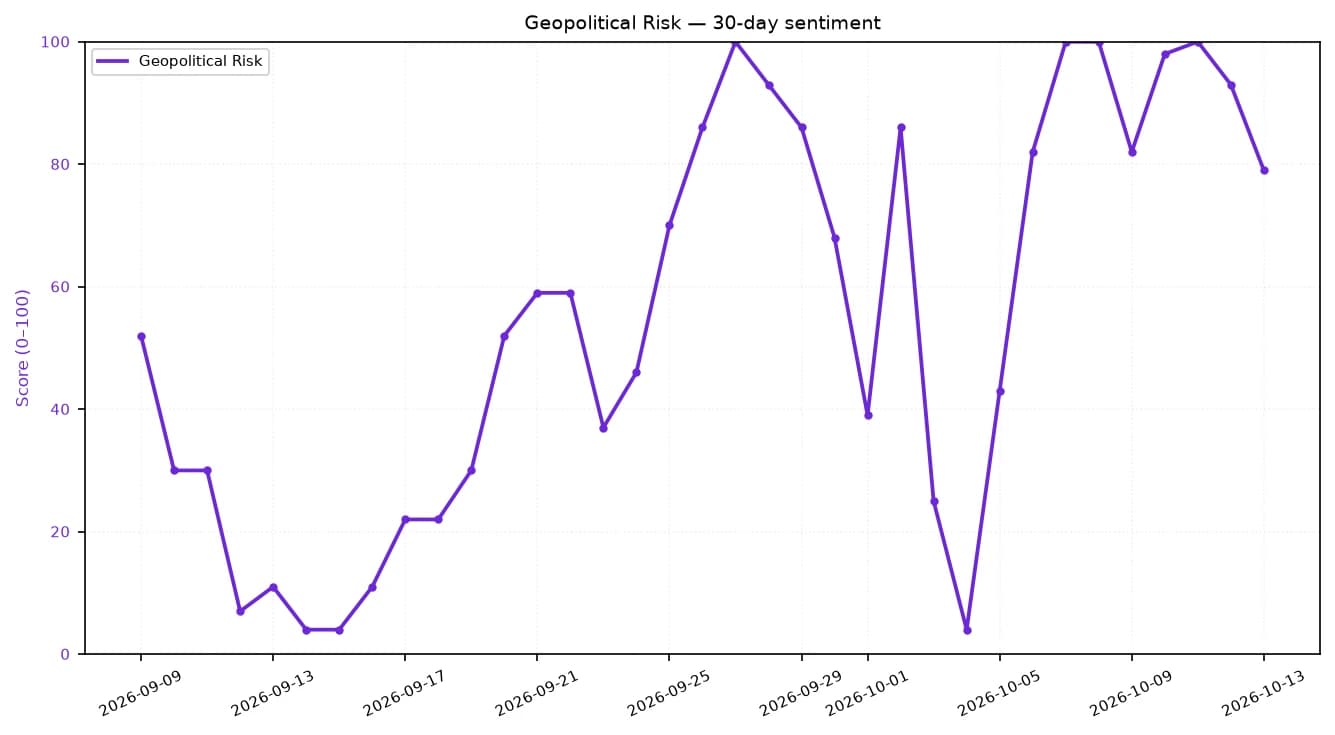
Adalytica’s Global Stability Sentiment gauge is neutral at 36, but its awareness reading is at an extreme-fear 11, a sign that investors are highly alert to political shocks even if the broader macro backdrop is not yet reflecting panic. That is consistent with Brazil’s assets behaving less like a one-way election trade and more like a high-stakes hedge on the country’s institutional direction.
The immediate market focus now turns to whether the runoff debate hardens voter polarization or gives either camp enough momentum to break the deadlock. For investors, the key issue is not just who wins, but whether the next president can govern without worsening the institutional strain that has made Brazil’s political risk impossible to ignore.
| Entity | Gains | Losses |
|---|---|---|
| Lula / Institutional reform camp | ▲Anti-corruption narrative | ▼Short-term policy clarity |
| Bolsonaro / Market-friendly bloc | ▲Reform and pro-business hopes | ▼Scrutiny over transparency |
| EWZ investors | ▲Election volatility trades | ▼Stable risk premium |
| Petrobras | ▲Pro-market policy expectations | ▼Risk of policy reversal |