Flávio Bolsonaro’s would-be choice for Petrobras president is emerging as the real market test in Brazil’s election — and it matters because control of the oil giant could reshape fuel pricing, dividends and the value investors place on the country’s biggest state company.
Petrobras CEO Choice in Brazil Election Focus
While traders have spent weeks debating who would run the Treasury in a possible Bolsonaro government, investors are now looking past Fazenda and toward Petrobras, where a more market-friendly chairman could keep cash flowing to shareholders and preserve the company’s role as one of the world’s most generous dividend payers. For a market that has already priced in the chance of policy change, the name eventually chosen could determine whether the rally in Brazilian assets extends or stalls.
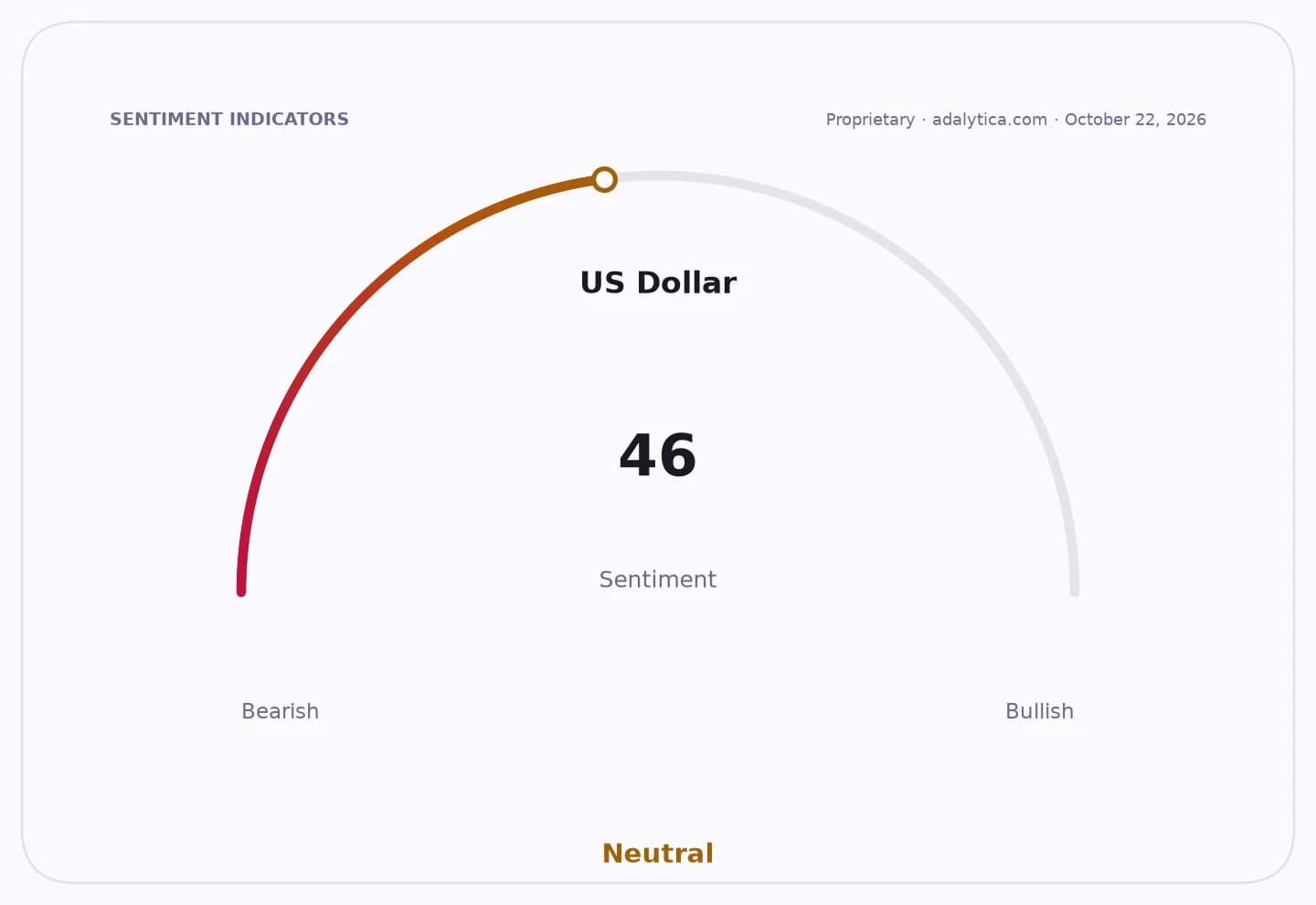
Sentiment IndicatorsⓘProprietary · adalytica.com · October 23, 2026
This is a snapshot — live sentiment, awareness and momentum for 130+ markets update continuously in the dashboard.Open AlphaPulse
The stakes are unusually high because Petrobras sits at the center of Brazil’s most investable macro trade: oil, cash generation and state intervention. Brent above $100 a barrel would normally supercharge earnings and free cash flow, but the market also wants reassurance that a Bolsonaro administration would resist the temptation to force down fuel prices for political reasons. That balance is what turns the Petrobras presidency into a strategic appointment, not a ceremonial one.
Under Jair Bolsonaro, Petrobras was among the biggest dividend machines in global energy, helped by a pricing policy that prioritized cash generation. Investors remember that period well, and they also remember how quickly the story changed when political pressure pushed the company to cut pump prices late in the term. That history is why the market is scrutinizing the candidate’s inner circle for clues on whether the next Petrobras chief would protect margins or absorb political interference.
The second layer of the trade is exploration. Analysts say the Equatorial Margin, stretching between Amapá and Rio Grande do Norte, could materially lift future production and cash flow if development proceeds. That gives Petrobras a longer runway than a simple dividend story: if the project advances under a pro-market management team, the company’s asset base and reserve outlook improve at the same time as payout visibility rises.
The names circulating — economists Adriano Pires and Adolfo Sachsida, and former Flamengo president Rodolfo Landim — all point to a search for someone seen as aligned with market discipline rather than state activism. That alone tells investors where the political conversation is heading: not just who runs Petrobras, but whether Brazil’s next government uses the company as a fiscal and electoral tool or as a cash-generating national champion.
For equity investors, this is why Petrobras remains one of the sharpest asymmetric bets in Brazil. If Flávio wins and appoints a shareholder-friendly president, the stock can rerate on a stronger dividend outlook, better capital discipline and reduced policy risk. If the choice tilts back toward intervention, the discount returns fast.
The market is correctly focusing on the Treasury, but the bigger alpha may lie in Petrobras. Until the presidency there is clarified, Brazil’s energy trade remains the cleanest way to express the election’s outcome.
| Entity | Gains | Losses |
|---|---|---|
| Petrobras shareholders | ▲Higher dividends, rerating potential | ▼Policy intervention risk |
| Brazilian consumers | ▲Potential fuel-price stability | ▼Higher pump prices if market pricing holds |
| Bolsonaro camp | ▲Stronger market credibility | ▼Less room for populist pricing |
| Petrobras skeptics/shorts | ▲— | ▼Valuation downside if market-friendly CEO is chosen |