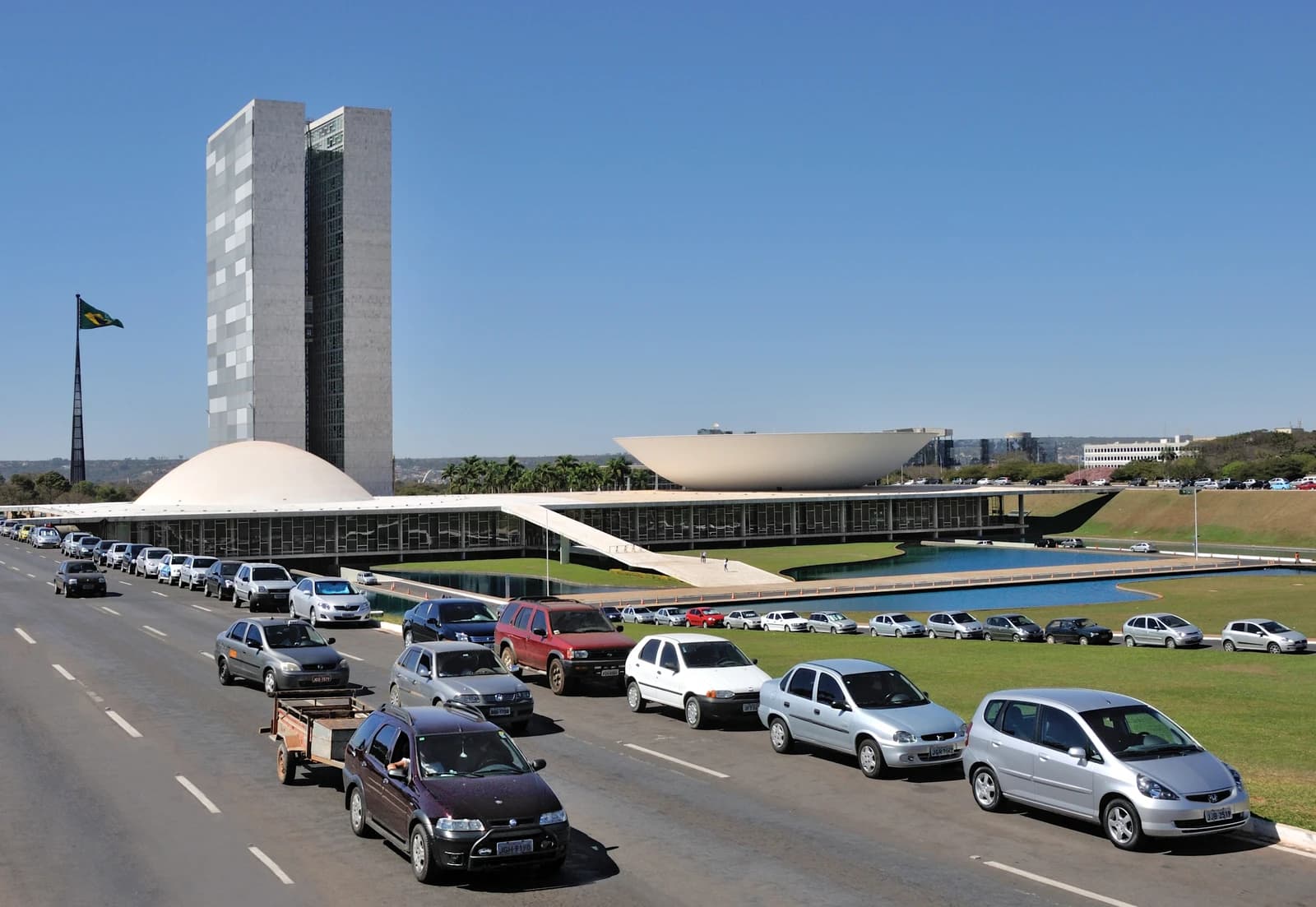
Flávio Bolsonaro says he will back a constitutional amendment to abolish presidential re-election in Brazil and has promised to serve only one term if elected, a pitch aimed at framing his candidacy as anti-incumbent and less focused on political entrenchment.
Flávio Bolsonaro backs end to Brazil presidential re-election
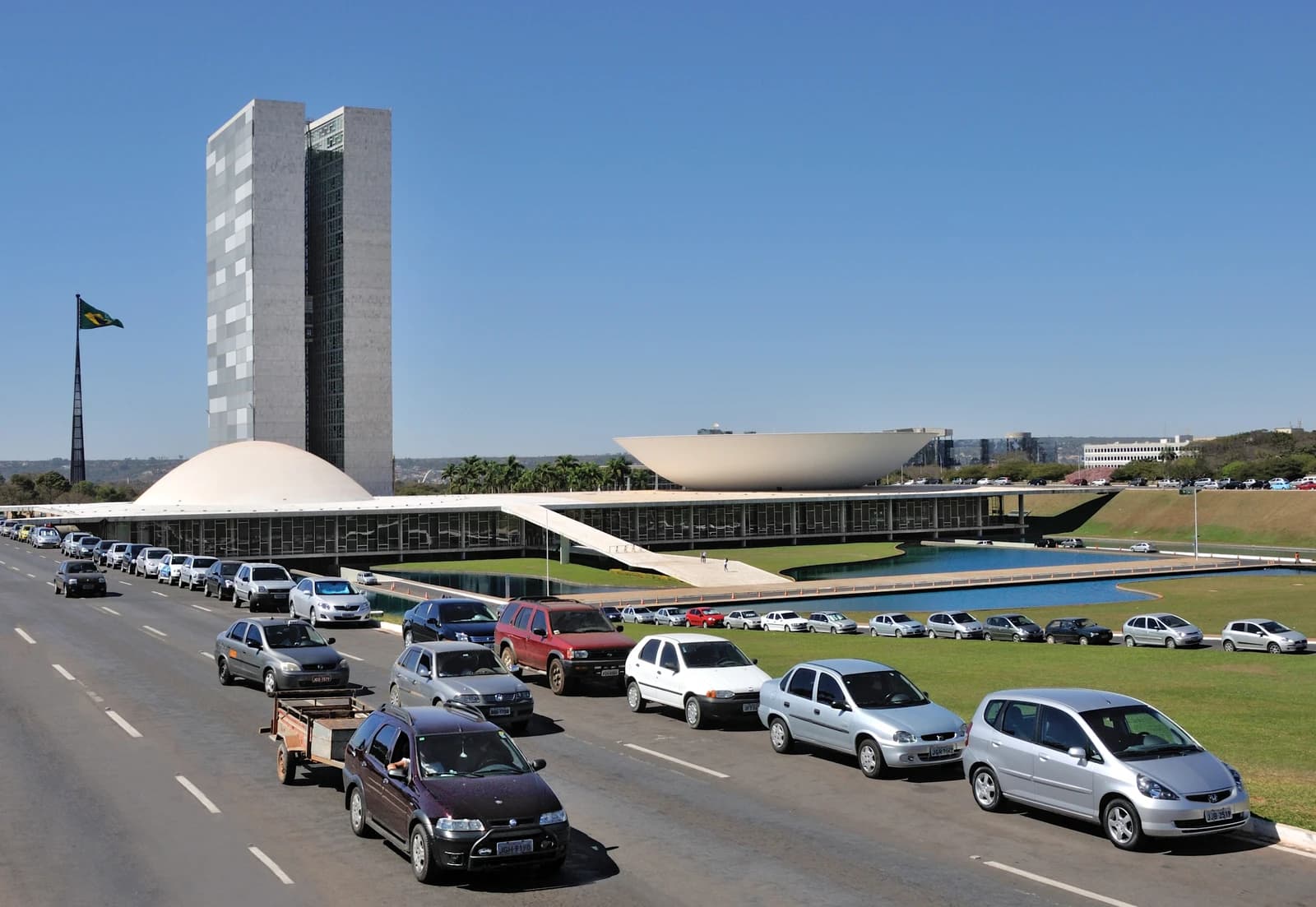
The proposal matters because it goes straight to Brazil’s next electoral cycle and the rules that shape executive power, making it more than a campaign slogan. By saying Congress should decide the length of the presidential term, Bolsonaro is signaling openness to a broader institutional redesign that could alter how future presidents govern, plan fiscal policy and build legislative coalitions.
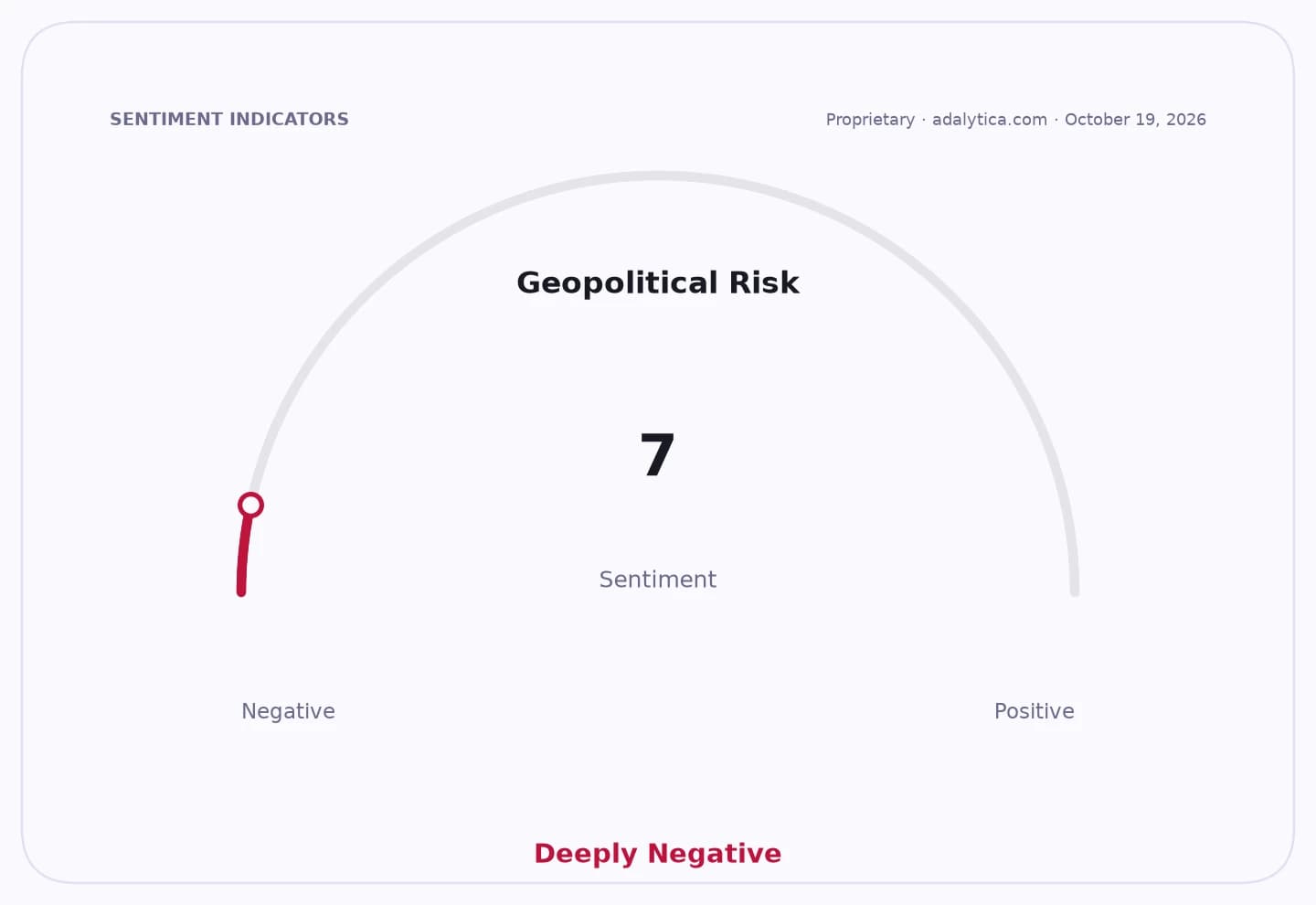
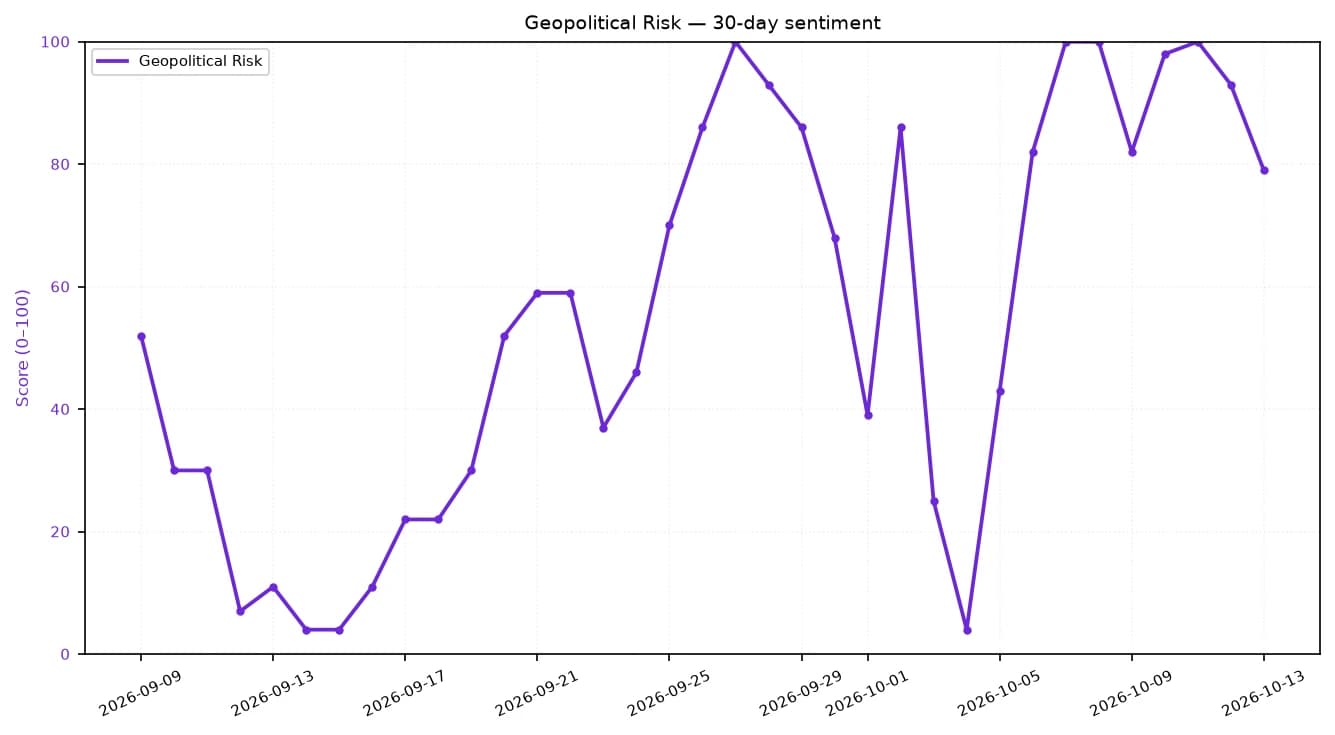
Sentiment IndicatorsⓘProprietary · adalytica.com · October 21, 2026
This is a snapshot — live sentiment, awareness and momentum for 130+ markets update continuously in the dashboard.Open AlphaPulse
For investors, the message cuts in two directions. On one hand, a one-term pledge could be read as an effort to lower fears of power consolidation and keep reform momentum alive if the race stays competitive. On the other, the debate adds another layer of policy uncertainty in a country where markets are already trying to handicap who will govern, how much support they will have in Congress and whether a new administration will prioritize market-friendly fiscal discipline.
Brazilian assets have been firm. The iShares MSCI Brazil ETF, EWZ, closed at $42.94 on Oct. 20, up from $41.83 on Oct. 16, while Petrobras preferred shares, PBR, finished at $25.70, near the top of their recent range. EWZ is trading above both its 50-day and 200-day moving averages, while PBR also sits above both benchmarks, a sign that investors have kept exposure to Brazil despite the political noise.
The election backdrop remains highly charged. Polling has shown a tight race, with Bolsonaro benefiting from support among farmers and evangelicals even as he faces fresh controversy and legal scrutiny. Lula’s camp has warned that a Bolsonaro victory could steer Brazil toward the kind of economic strain seen in Argentina, underscoring how the contest is being framed as much by macro risk as by politics.
Flávio Bolsonaro also said he would not seek a second term even if Congress fails to approve the constitutional change, and suggested there should be restrictions on succession by relatives up to the third degree. That position is designed to blunt accusations that the Bolsonaro family is trying to build a dynastic project, a sensitive issue as the former president’s name continues to dominate Brazil’s right wing.
The next market catalyst is the pace of the campaign and any sign that Bolsonaro’s institutional proposals gain traction with lawmakers. Investors will be watching whether the election narrative shifts from personality-driven conflict toward concrete policy commitments on fiscal rules, taxes and state intervention.
| Entity | Gains | Losses |
|---|---|---|
| Flávio Bolsonaro | ▲anti-incumbent credibility | ▼dynasty accusations |
| Brazilian voters | ▲clearer term-limit debate | ▼more constitutional uncertainty |
| Brazil equities / EWZ | ▲reform hopes, political premium easing | ▼election volatility |
| Lula camp / opposition | ▲campaign contrast | ▼momentum if Bolsonaro broadens appeal |