Thousands marched in downtown Rio de Janeiro on Wednesday as Brazilians rallied against far-right presidential candidate Flavio Bolsonaro, underscoring how the October 25 runoff is sharpening fears of policy instability, social backlash and a renewed strain on Brazil’s investment outlook.
Brazil protests after Bolsonaro runoff win

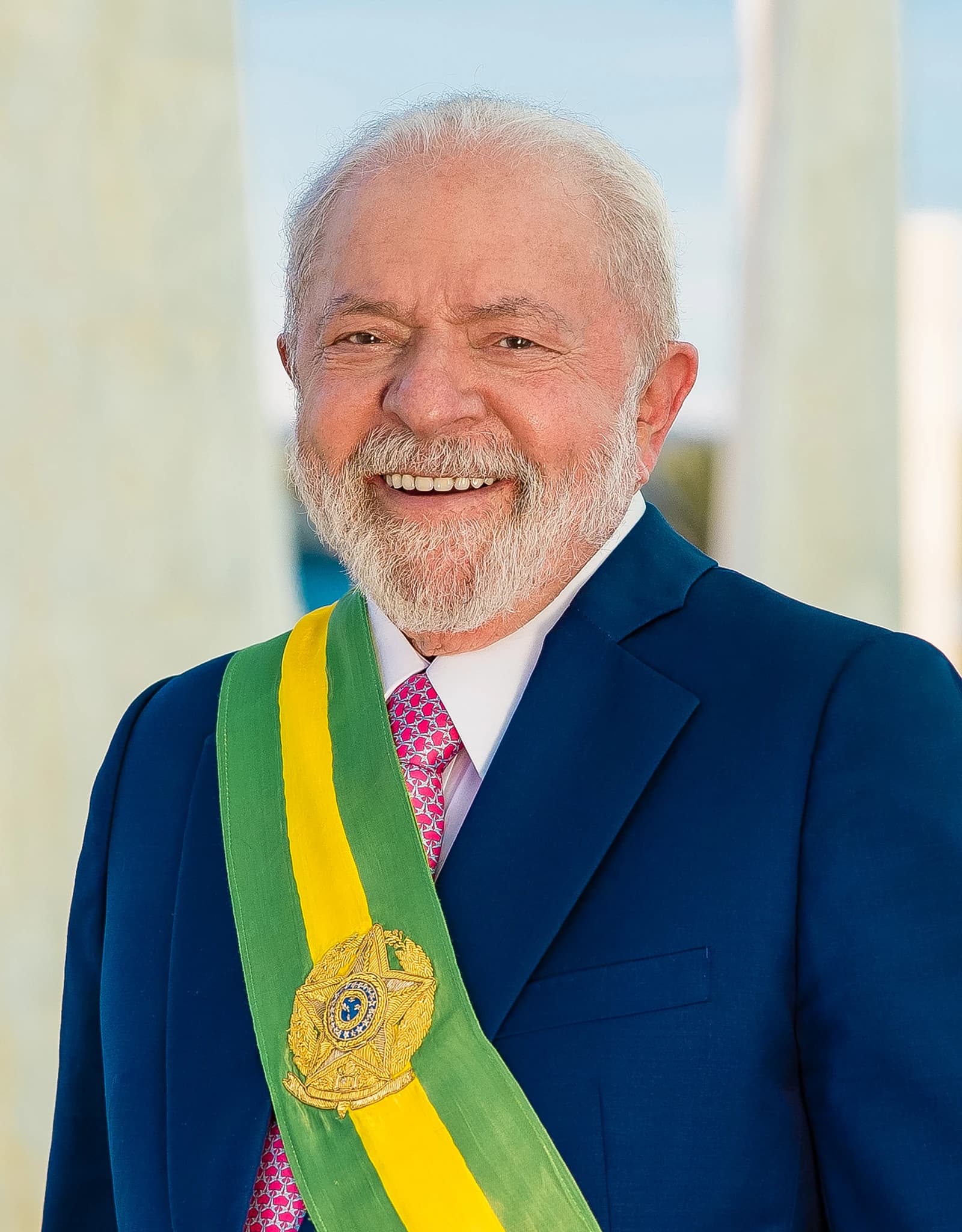
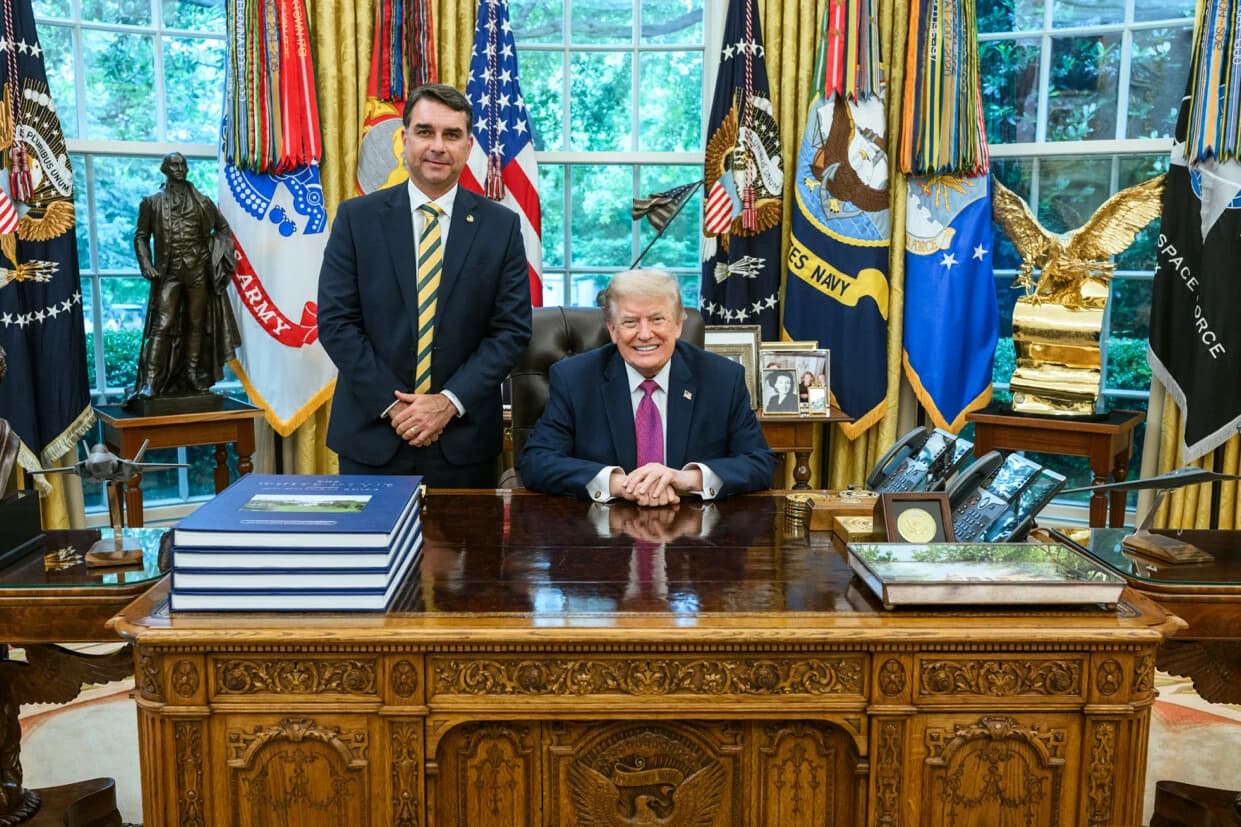
The demonstration came after Bolsonaro finished first in Sunday’s election, setting up a head-to-head battle with veteran leftist President Luiz Inacio Lula da Silva. Protesters carried “Never Again Bolsonaro” signs and warned that a return of Bolsonarismo could bring tougher treatment for minorities and a rollback of democratic norms.
Sentiment IndicatorsⓘProprietary · adalytica.com · October 9, 2026
This is a snapshot — live sentiment, awareness and momentum for 130+ markets update continuously in the dashboard.Open AlphaPulse

For investors, the immediate issue is not the march itself but what it says about the size of the country’s political risk premium heading into the runoff. Brazil’s markets have already been pricing in a more volatile outcome, with the iShares MSCI Brazil ETF, EWZ, climbing to $42.59 on Oct. 8 from $35.47 on July 29, while the leveraged Brazil fund BRZU has surged to $130.04 from $92.95 over the same span.
That rally has pushed both funds into technically stretched territory. EWZ closed above its 50-day and 200-day moving averages and near its upper Bollinger Band, while RSI readings above 70 suggest the move has been overextended. BRZU shows a similar pattern, with its price running well above both moving averages and RSI above 70, a sign traders are chasing Brazil exposure even as political uncertainty intensifies.
Brazilian equities are not the only assets in focus. Petrobras, Brazil’s state-controlled oil giant, has gained alongside the broader market, with PBR closing at $24.69 on Oct. 8, up from $23.80 two sessions earlier and far above levels seen earlier this year. Any change in fiscal policy, state influence or Petrobras governance after the vote could quickly alter that trade.
The protests were driven by memories of Jair Bolsonaro’s 2019-2022 presidency, including his pandemic record, which Brazil says contributed to more than 700,000 deaths, and by anger over his 27-year sentence for attempting a coup after his 2022 election loss. Some demonstrators also singled out Flavio Bolsonaro’s pledge to seek amnesty for his father, a move that would deepen investor concern about institutional friction if the family returns to power.
The runoff now becomes the key catalyst for Brazilian assets, with markets likely to react to polling shifts, campaign promises and any sign of broader street mobilization. A Bolsonaro comeback would likely lift expectations for tougher rhetoric on security and business, but it could also revive concerns about governance risk, investor confidence and policy volatility in Latin America’s largest economy.
| Entity | Gains | Losses |
|---|---|---|
| Bolsonaro camp | ▲runoff momentum | ▼protest-driven backlash |
| Lula / left opposition | ▲anti-Bolsonaro mobilization | ▼election pressure |
| EWZ / BRZU bulls | ▲Brazil risk trade | ▼political uncertainty |
| Petrobras / PBR holders | ▲higher Brazil risk appetite | ▼governance-risk headlines |