BCD Travel’s launch of the new-generation TripSource matters because it is not just a software refresh — it is a signal that corporate travel is becoming a higher-value, more data-driven workflow, and that the winners will be the platforms that can own bookings, policy compliance and spend visibility in one place.
BCD Travel Pushes Corporate Booking Integration
That is economically important because business travel is still a large budget line for global companies, and in a tighter operating environment every dollar saved on travel, every minute reduced in booking friction and every improvement in policy adherence flows straight to margins. For travel managers, the pressure is no longer simply about booking a trip; it is about controlling a global spend category, improving employee experience and proving value to procurement and finance teams.
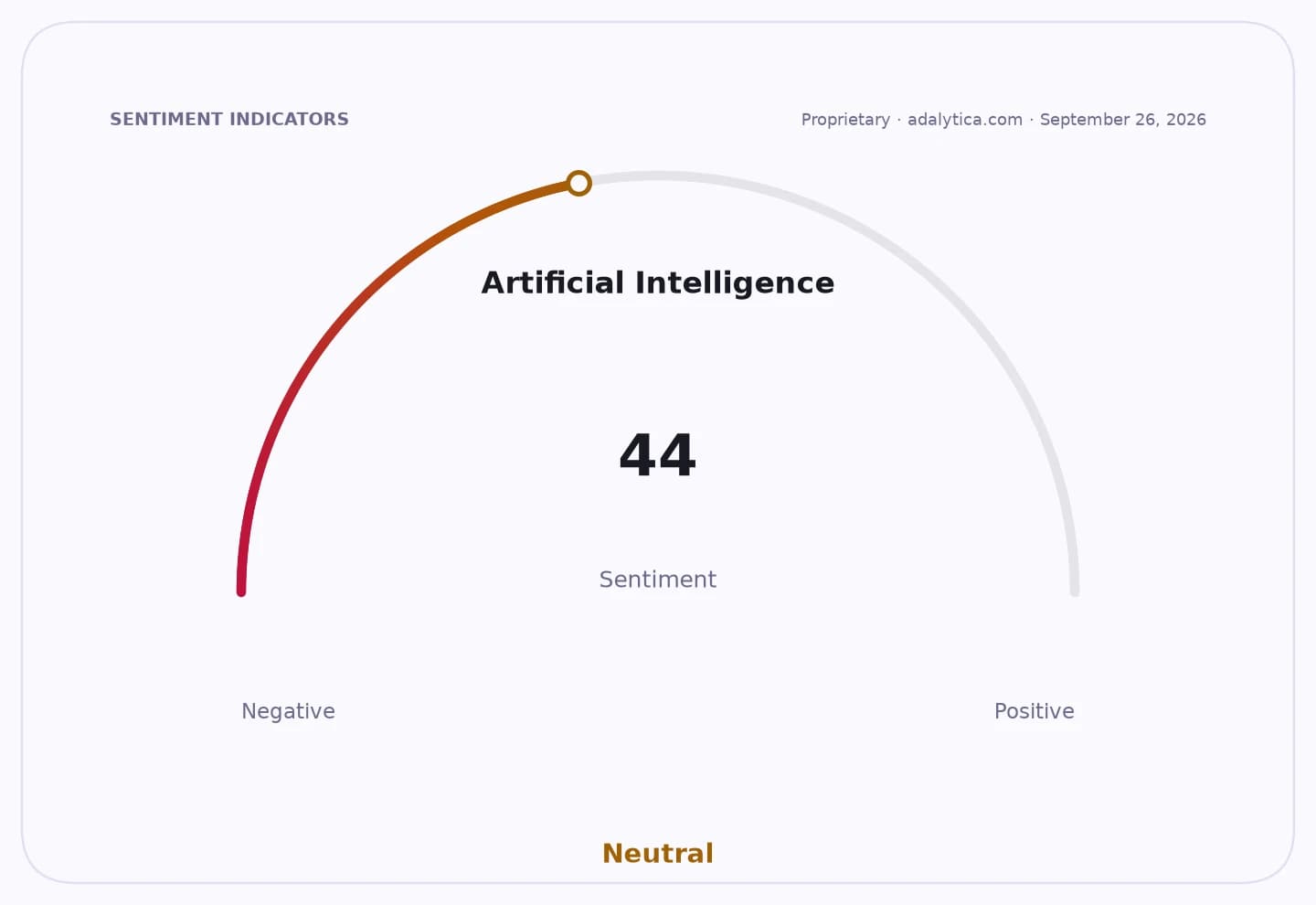
Sentiment IndicatorsⓘProprietary · adalytica.com · July 23, 2026
This is a snapshot — live sentiment, awareness and momentum for 130+ markets update continuously in the dashboard.Open AlphaPulse
For BCD Travel, TripSource is the front end of that thesis. A stronger digital platform can deepen client retention, improve cross-selling and make the company harder to displace in a market where buyers want fewer vendors and more automation. If the new version of TripSource delivers smoother workflows, richer content and better trip management, it strengthens BCD’s position against larger online travel platforms and other corporate booking tools that are also racing to own the business-travel relationship.
The market backdrop makes the move more interesting. Expedia Group and Tripadvisor have both shown that travel platforms can still command investor attention when they connect demand, technology and monetization at scale. But BCD’s opportunity is different: corporate travel is a recurring, infrastructure-like business, and the real upside comes from being embedded in enterprise workflows rather than chasing consumer clicks. That gives the platform more durable economics if adoption sticks.
Investors should see this as part of a broader secular shift. Corporate travel is moving from fragmented booking toward integrated travel operating systems, and the companies that supply the underlying software, data and service rails are likely to capture the most attractive economics. That creates a potentially asymmetric setup for travel-tech vendors and workflow platforms that can reduce leakage, lift compliance and become indispensable to procurement teams.
The near-term catalyst will be execution: whether BCD can prove that the new TripSource lifts engagement and reinforces client stickiness rather than simply replacing one interface with another. But the bigger takeaway is clear. In business travel, the next growth leg is not about more trips — it is about owning the technology layer that sits between the traveler and the spend. That is where the long-term value is likely to compound.
| Entity | Gains | Losses |
|---|---|---|
| BCD Travel | ▲Higher client stickiness | ▼Legacy booking friction |
| Corporate travel buyers | ▲Better control and visibility | ▼Manual travel management |
| Travel-tech rivals | ▲Need to respond faster | ▼Share of enterprise wallets |
| Investors in workflow software | ▲Secular digitization tailwind | ▼Vendors stuck in commoditized booking |