Belarus has registered a new soybean variety it says can match leading European strains, a small but meaningful step in a country trying to lift crop productivity, reduce harvest losses and expand a protein-rich feed and oilseed crop suited to its climate.
Belarus registers Aiolanta soybean variety

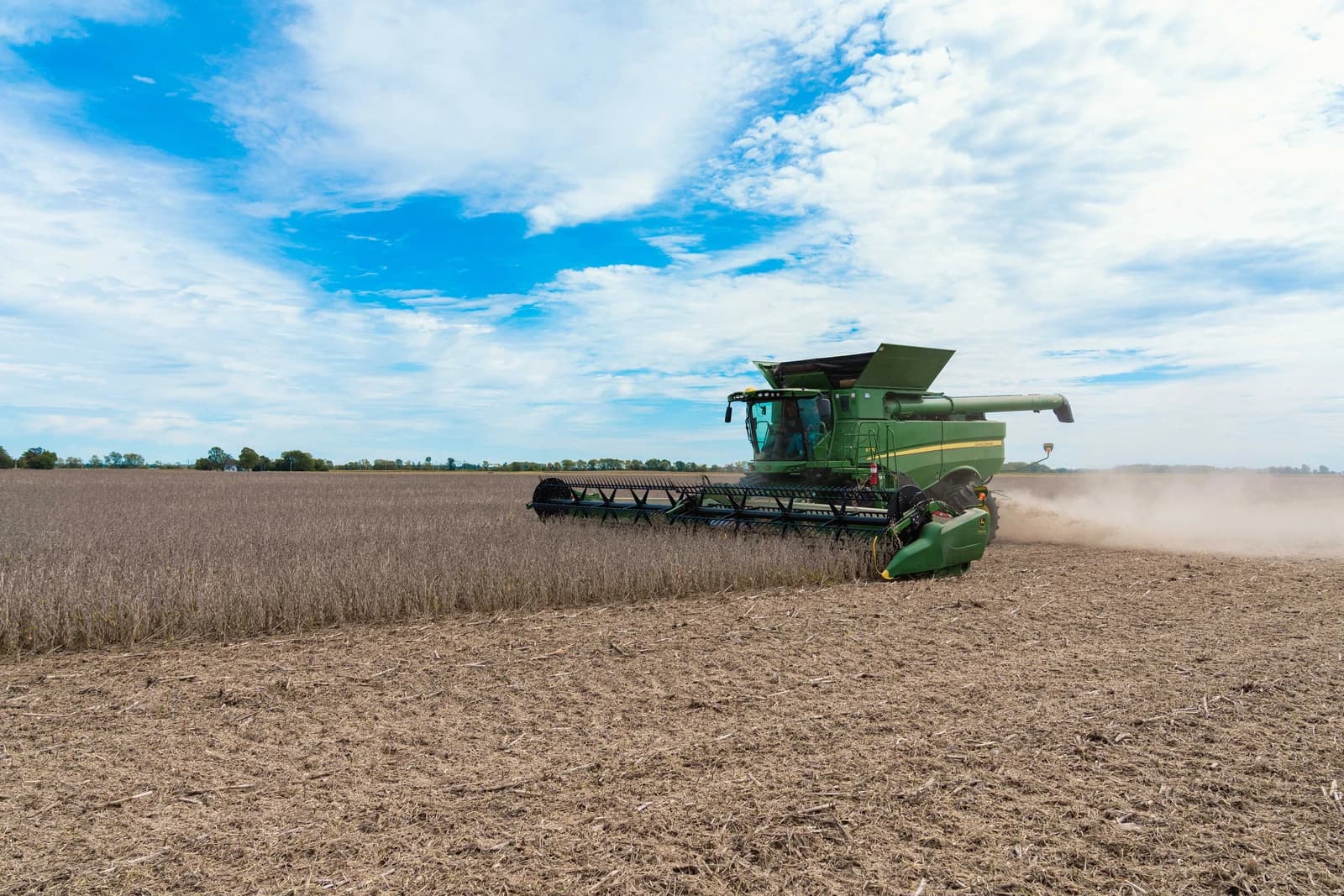
The new variety, Aiolanta, was entered into the State Register of Agricultural Plant Varieties and was developed for the Brest, Gomel and Grodno regions, the Agriculture and Food Ministry said. Belarus is pitching it as a domestically bred crop with a potential yield of 5 tonnes per hectare, high pod placement that reduces combine losses, and stronger resistance to fungal and bacterial disease.
That matters economically because soybeans are a strategic crop: they provide meal for livestock, oil for food processing and a high-protein raw material that can substitute for imported feed inputs. A variety that matures in about four months, can be harvested cleanly and tolerates local weather and disease pressure can improve farm margins by cutting spoilage and raising output per hectare. Belarus, which remains heavily exposed to agriculture in regional trade and food supply chains, has an incentive to build more self-sufficiency in protein crops as commodity markets stay volatile.
Aiolanta’s claimed 41% protein content and 22% fat content make it more than a simple field crop. For feed producers, that increases its appeal as a component of animal nutrition. For processors, the profile suggests potential value in oil extraction as well as meal production. The ministry also said the plant can be used as green mass for livestock if cut early, broadening its utility for mixed farms.
The announcement also reflects a wider race among producers to improve yields with genetics rather than acreage alone. Global soybean markets have been shaped by record output in Brazil and shifting U.S. harvest conditions, while weather and input costs continue to pressure growers elsewhere. In that setting, a locally adapted variety may not move world prices, but it can improve Belarusian farm resilience and reduce exposure to imported seed technology.
For investors, the immediate read-through is limited but relevant. The development is more important for Belarusian agriculture, livestock feed economics and regional seed competitiveness than for global soybean benchmarks. Still, better domestic yields can support grain and oilseed output, strengthen upstream agribusiness demand and, over time, narrow the country’s dependence on imported agricultural inputs.
The next test is not the registration itself but performance in the field. If Aiolanta delivers the promised yield and disease resistance across Belarus’s growing regions, it could become a reference point for domestic breeding programs and a modest but real boost to farm productivity. If it fails to scale beyond trial success, the economic impact will remain largely symbolic.
| Entity | Gains | Losses |
|---|---|---|
| Belarusian breeders | ▲Local credibility | ▼Pressure to prove performance |
| Farmers in Brest, Gomel, Grodno | ▲Higher yields, lower losses | ▼Seed transition costs |
| Feed and oil processors | ▲More domestic supply | ▼Reliance on imports eases less |
| Foreign seed rivals | ▲— | ▼Competitive share in region |