The collapse of a rescue attempt for Liberty Bell Bay puts 200 Tasmanian jobs at risk and sharpens pressure on Australia’s smelting sector just as miners and industrial power users face weaker demand, higher operating costs and tighter scrutiny over stranded assets.
Bell Bay Smelter Failure Pressures Australian Heavy Industry
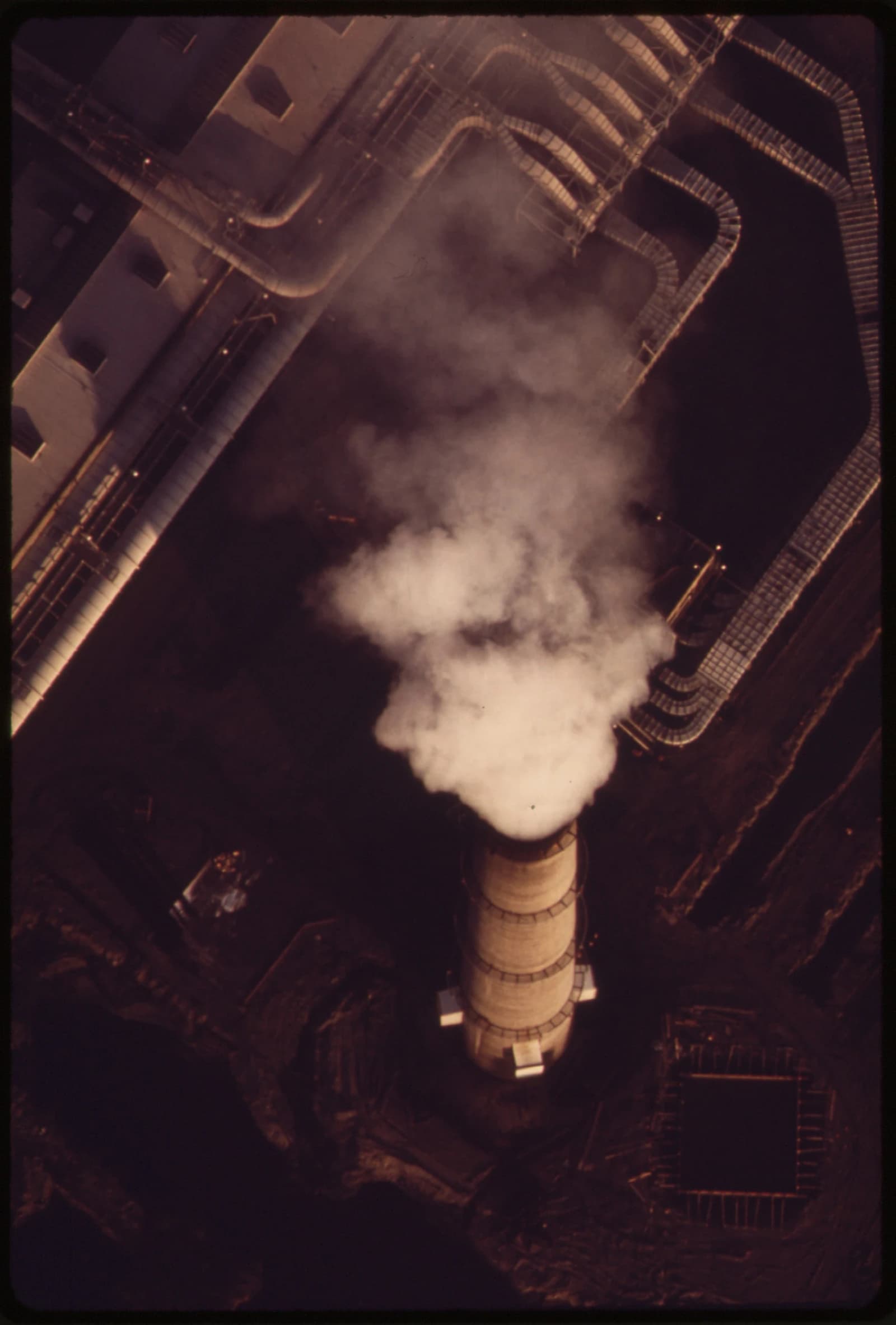
Administrators say they have failed to find a buyer for the manganese smelter, effectively clearing the way for closure if no late electricity deal or other support package emerges before the deadline. For local suppliers, contractors and the wider Bell Bay industrial precinct, the shutdown would remove a key anchor tenant and deepen the economic hit from the loss of high-wage manufacturing work.
Sentiment IndicatorsⓘProprietary · adalytica.com · July 22, 2026
This is a snapshot — live sentiment, awareness and momentum for 130+ markets update continuously in the dashboard.Open AlphaPulse
The stakes extend beyond Tasmania. Smelters are among the most power-intensive industrial assets in the country, and their survival often depends on access to long-term, competitively priced electricity. With energy contracts, power prices and grid reliability under pressure, the economics of keeping older metal-processing plants open have become far less forgiving.
For investors, the episode is another sign that Australian resources and heavy industry are being forced to reset around cost discipline rather than volume growth. It also reinforces a broader market view that assets tied to cyclical metals demand and expensive power are vulnerable, particularly when buyers are scarce and balance-sheet support is limited.
The news lands against a mixed backdrop for the sector. BHP and Rio Tinto have both seen sharp swings in their shares over recent months, reflecting the market’s sensitivity to commodity prices, guidance changes and industrial demand. BHP closed at $84.39 on July 22, still well above its 50-day moving average of $85.12 but off earlier highs, while Rio Tinto finished at $92.15, below its 50-day average of $99.66, signaling some cooling momentum despite the broader rebound in miners.
Technical readings also suggest the recent bounce in the big miners has not erased near-term caution. BHP’s RSI sat at 54.6 on July 22 after dropping to deeply oversold levels earlier in the month, while Rio’s RSI recovered to 47.1 from 36.7 on July 20, indicating investors are still digesting the impact of softer sector sentiment. Australian industrial production sentiment on Adalytica’s gauge is strong at 82, but that optimism has not translated evenly across power-hungry smelting assets.
The closure risk also highlights a recurring policy problem for regional Australia: whether governments and utilities should support energy-intensive plants that are commercially marginal but strategically important for jobs and local supply chains. If the smelter shuts, the immediate losers are workers and the surrounding economy; the beneficiaries are creditors and, potentially, rivals with stronger cost positions.
The next catalyst is the expiry of the power-deal deadline and any last-minute intervention from buyers, utilities or policymakers. If no solution appears, the Bell Bay shutdown would become another cautionary example of how quickly industrial assets can tip from viable to uneconomic when electricity, demand and financing all tighten at once.
| Entity | Gains | Losses |
|---|---|---|
| Creditors/administrators | ▲Faster wind-down | ▼Rescue costs |
| Local workers/suppliers | ▲Limited spillover | ▼200 jobs, contracts |
| Power providers/peers | ▲Potential load relief | ▼Lost industrial demand |
| BHP/Rio investors | ▲Relative sector comparison | ▼Smelter/industrial sentiment |