Bengaluru’s paying-guest residents are facing a fresh rise in monthly rents, with the city’s PG association preparing to finalize increases of about 500 to 1,000 rupees per person after an Oct. 7 meeting, a move that will add to living costs for workers and students already squeezed by higher food, power and gas prices.
Bengaluru PG Rents Set to Rise by 500-1,000 Rupees
The hike matters because PG housing is the low-cost backbone of Bengaluru’s rental market, especially for migrants from across Karnataka and other states who depend on shared accommodation to live near the city’s tech and industrial job centers. Even a 500-rupee increase can materially lift monthly budgets for residents, while a 1,000-rupee jump would deepen pressure on take-home pay for entry-level workers.
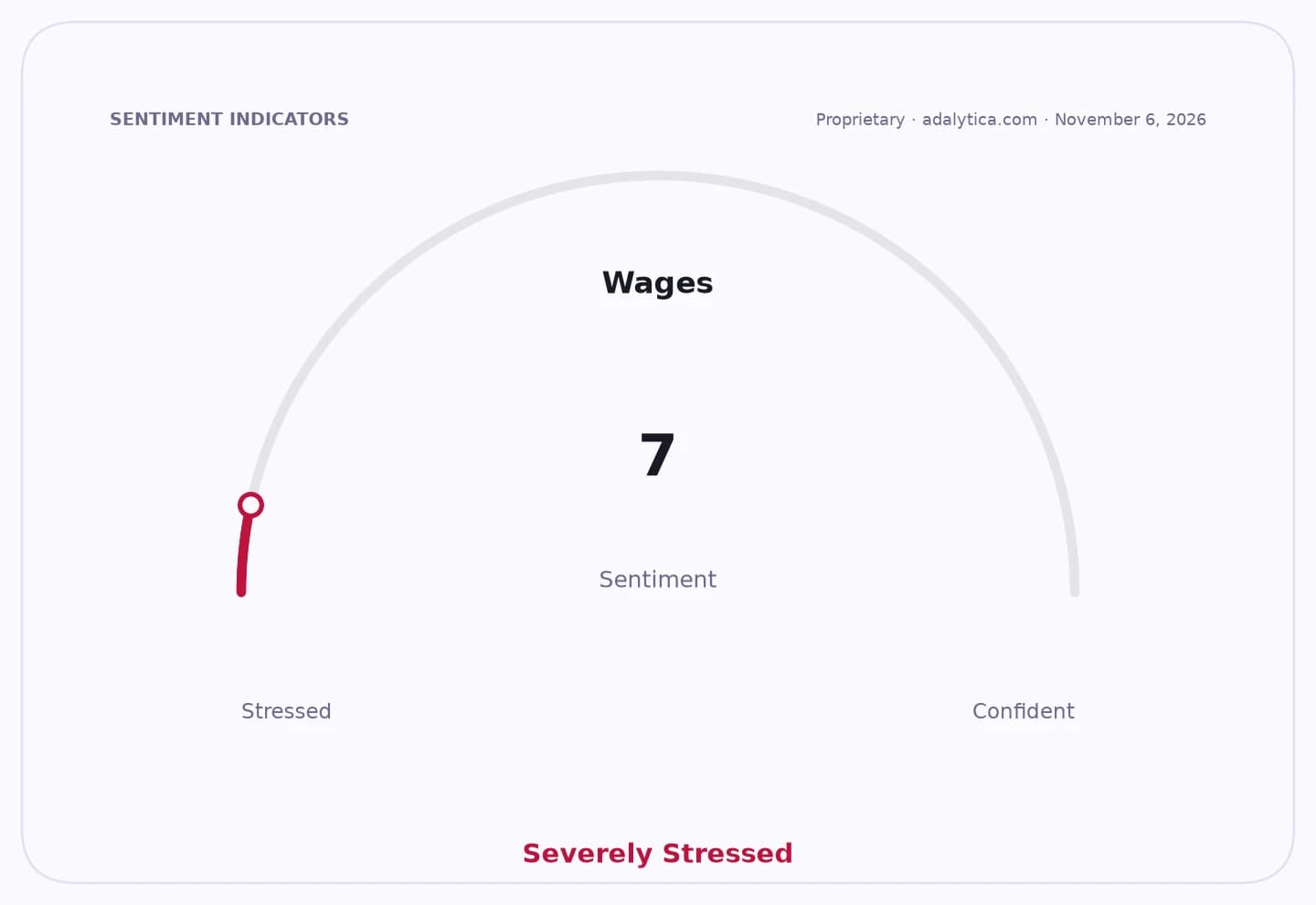
Sentiment Indicators
PG operators are blaming rising operating costs, including higher grocery bills, electricity tariffs and commercial cooking gas prices. The group also cited supply disruptions and the sharp increase in commercial LPG cylinder costs after the Middle East conflict, when prices reportedly surged from around 1,800-2,000 rupees to as much as 5,000-6,000 rupees.
The price increase is landing alongside a tougher regulatory push from the Greater Bengaluru Authority, which is stepping up checks on unauthorized PGs and service standards. Authorities have said PGs must hold FSSAI licences, commercial permits, fire safety systems, CCTV with 90-day video backup, separate entry and exit points, sanitation facilities, drinking water, first-aid kits and proper waste segregation, or face closure notices.
For investors, the development underscores a broader rent-inflation story in India’s major urban centers, where rising input costs and tighter enforcement can support room-rate pricing power for compliant operators but raise churn and compliance risk for smaller landlords. It also points to continued pressure on housing affordability in Bengaluru, which could feed into wage demands and consumer spending patterns in one of India’s key job markets.
The next catalyst is the Oct. 7 post-meeting announcement, which will set the exact increase and indicate whether the hike is a one-time adjustment or the start of a broader repricing cycle across the city’s PG segment.
| Entity | Gains | Losses |
|---|---|---|
| PG operators | ▲Higher room revenue | ▼Tenant pushback |
| PG residents | ▲Regulatory oversight | ▼Higher monthly budgets |
| Compliant PGs | ▲Stronger market position | ▼More compliance costs |
| Bengaluru employers | ▲Stable worker housing supply | ▼Wage pressure from rent inflation |