The Reserve Bank of India has kicked off three household surveys that will help shape its December 2-4 policy meeting, a fresh read on inflation expectations and consumer confidence at a time when price pressures and weak foreign inflows are complicating the rate outlook.
RBI launches household surveys before December policy meeting
The central bank’s November 2026 round of the Inflation Expectations Survey of Households will gauge how families view price changes in their own consumption baskets, while separate urban and rural confidence surveys will assess views on the economy, jobs, prices, income and spending. Together, the polls give policymakers a real-time view of whether households expect inflation to stay sticky or ease, an important input as the RBI weighs whether to hold rates steady or signal further tightening.
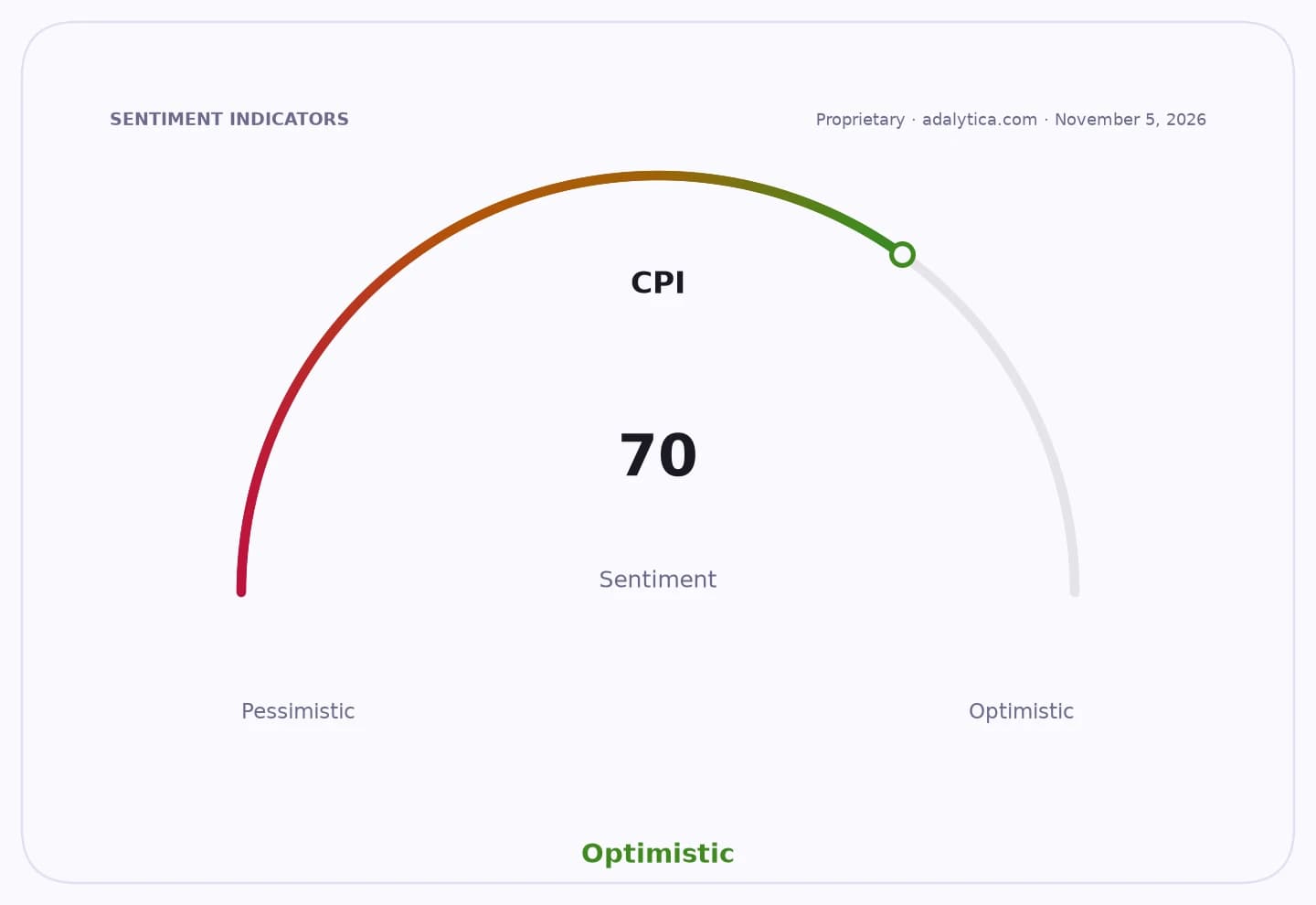
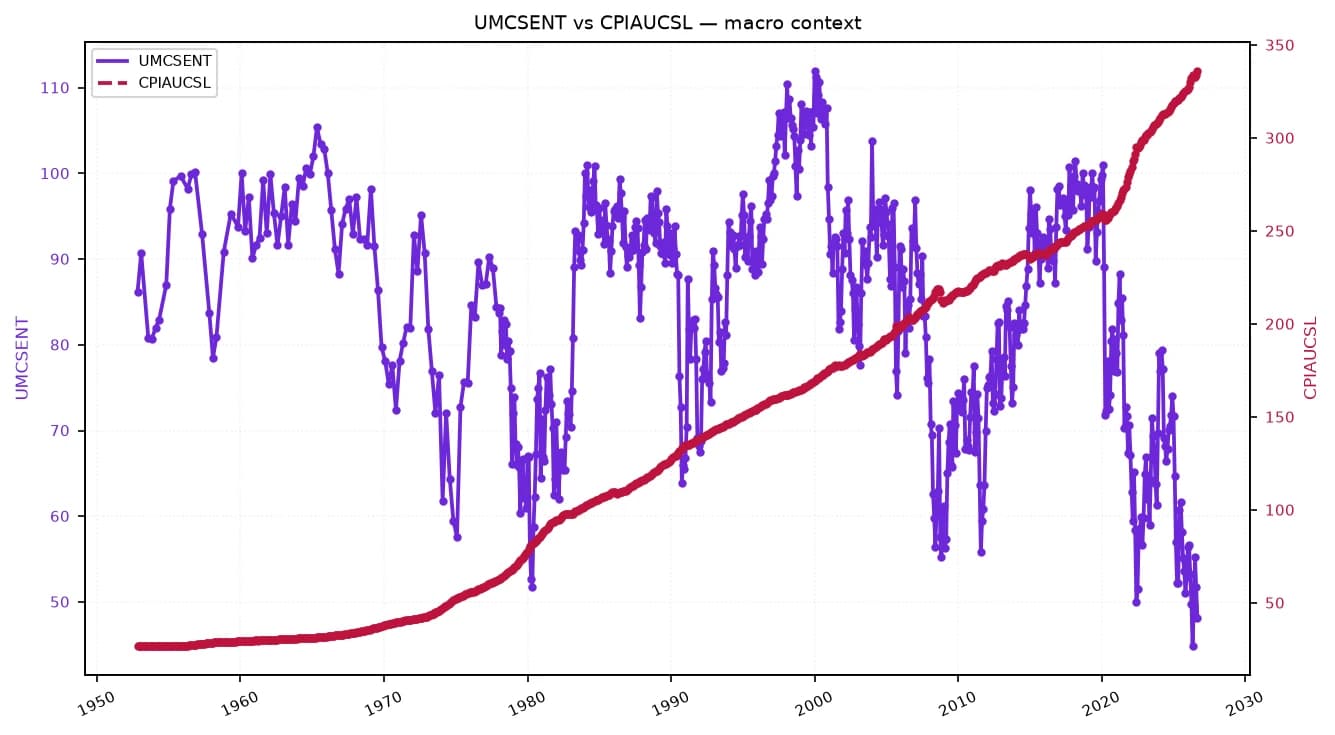
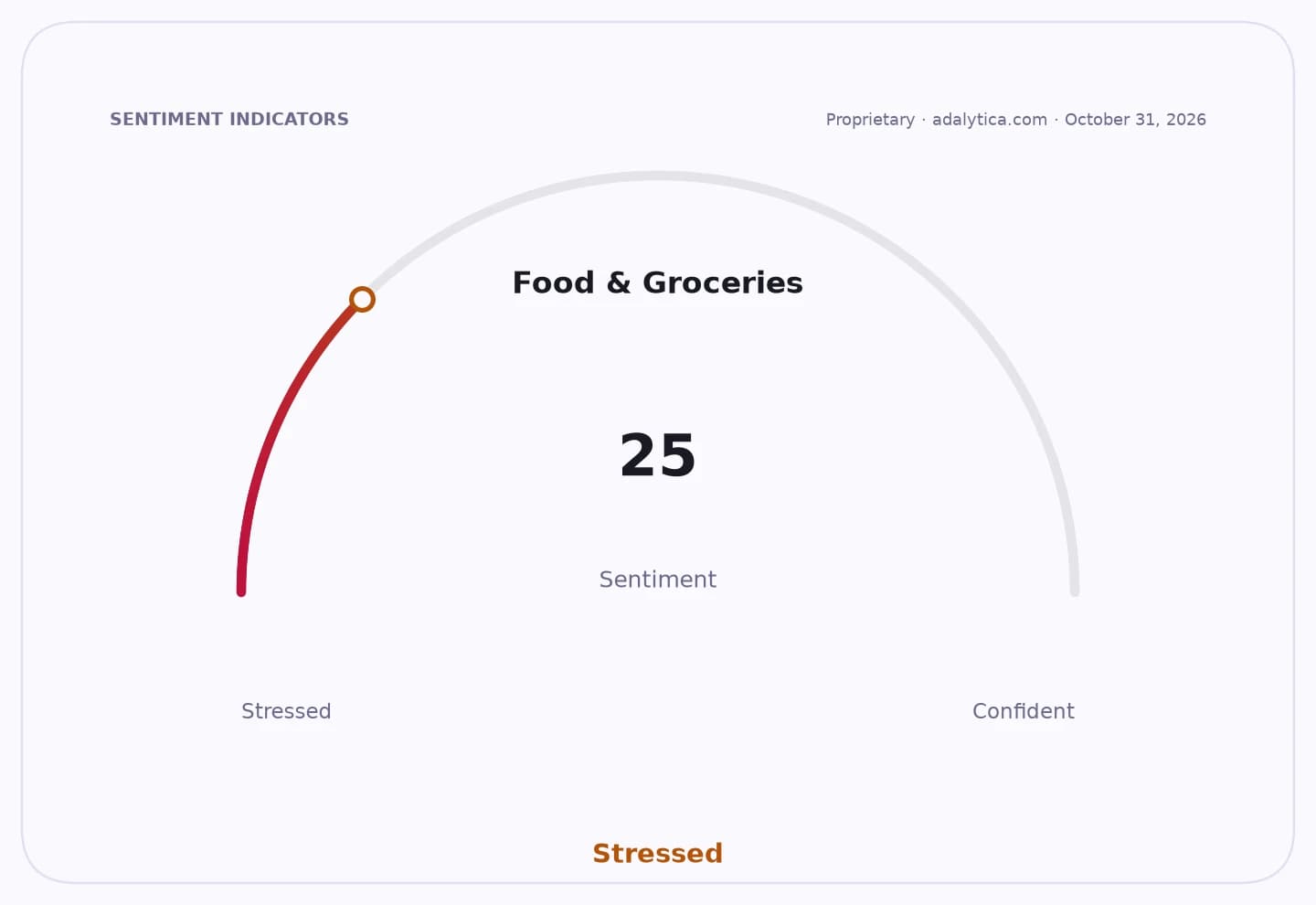
Sentiment Indicators
The surveys cover 19 major cities for the urban exercises — including Mumbai, Delhi, Bengaluru, Chennai and Kolkata — and rural and semi-urban households across 31 states and Union Territories. That broad reach matters because inflation in India is driven as much by food and transport costs hitting lower-income households as by conditions in the formal urban economy.
For investors, the data could shape expectations for bond yields, bank margins and the rupee ahead of the policy decision. A jump in inflation expectations would reinforce the case for the RBI to stay cautious, keeping pressure on rate-sensitive sectors and supporting deposit pricing for lenders. A softer reading, by contrast, could open room for a less hawkish stance if growth remains intact.
The timing is sensitive. India has been dealing with renewed inflation pressure and recent foreign investor outflows, while the RBI has also been active in the foreign-exchange market to steady the rupee. At the same time, market gauges show investors are still focused on macro policy risk, with global rates, commodity costs and domestic price trends feeding into positioning across Indian assets.
The survey results will land before the RBI’s next policy meeting and are likely to be watched for clues on how durable inflation concerns remain heading into year-end.
| Entity | Gains | Losses |
|---|---|---|
| RBI | ▲Better inflation and confidence data | ▼Less policy uncertainty if readings surprise |
| Bond bulls | ▲Softer inflation expectations | ▼Higher yields if expectations rise |
| Banks | ▲Support for deposit pricing | ▼Margin pressure if rate cuts get delayed |
| Consumers | ▲Potential relief if inflation cools | ▼Purchasing power if price expectations worsen |