Benha University says it has developed two new rice strains after seven years of field research, a step that could lift yields while reducing the land, water and other inputs needed to grow one of Egypt’s most strategic crops.
Benha University develops two new rice strains
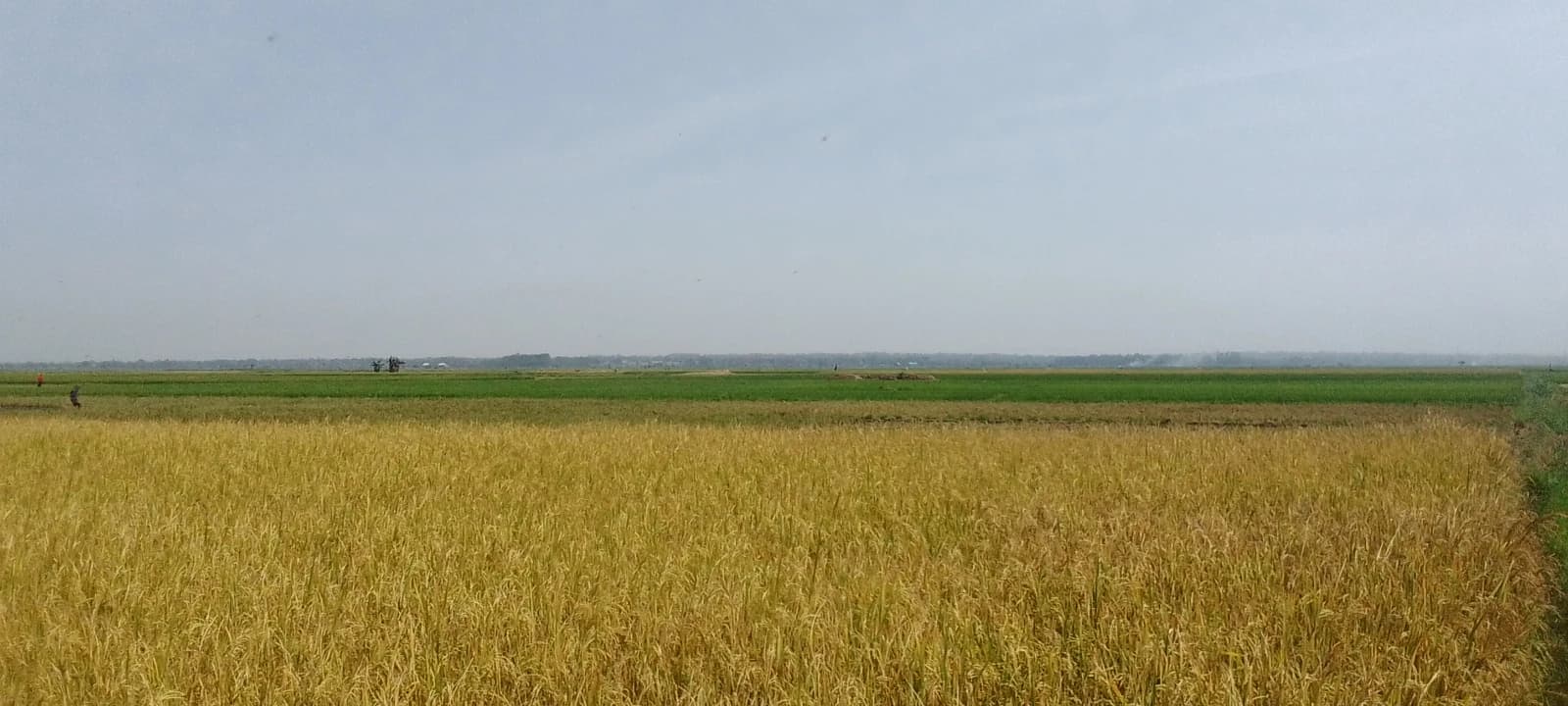
The university said the new varieties, called “Bidaya 1” and “Bidaya 2,” were harvested in evaluation fields at its agriculture faculty in Moshtohor and are now moving through registration procedures so they can be added to approved commercial varieties once formal requirements are completed.
Sentiment Indicators
The strains are designed for earlier maturity and higher productivity, a combination that matters in a country where food security and agricultural efficiency have become increasingly important. Faster-growing rice can free up water and land for other uses, while higher output per feddan helps blunt pressure from rising input costs and tight resource availability.
Benha University said the research program was led by principal investigator Sidhom Assad Sidhom and built on extensive field trials that tested the agronomic performance of the two strains. University president Nasser El-Gizawi said the work reflects the institution’s push to turn academic research into practical applications that support the wider agricultural sector.
Rice remains a politically sensitive staple in Egypt and across the region, where food inflation and supply-chain pressure have kept focus on crop productivity. Any locally developed strain that can deliver more output in a shorter season has implications not only for farmers, but also for processors, traders and policymakers trying to stabilize supplies.
The university also said it is seeking to commercialize the research through its “Bidaya” marketing company, underscoring a broader attempt to convert public-sector research into revenue-generating agricultural technology. For investors, the story is less about near-term market reaction and more about the long-term economics of seed innovation, farm productivity and food-cost stability.
The next catalyst is the formal registration process, which will determine how quickly the strains can move from trial plots to broader adoption.
| Entity | Gains | Losses |
|---|---|---|
| Benha University | ▲Research commercialization | ▼Pure academic output |
| Egyptian rice farmers | ▲Higher yields, earlier harvests | ▼Dependence on older strains |
| Food security planners | ▲More output per unit input | ▼Pressure from tight resources |
| Seed competitors | ▲Benchmark for innovation | ▼Share of attention and adoption |