Honduras’ rice harvest is gaining momentum and a new high-yield seed is emerging as the clearest lever for cutting the country’s import bill.
Honduras Rice Harvest Rises on Juma 6920 Seed
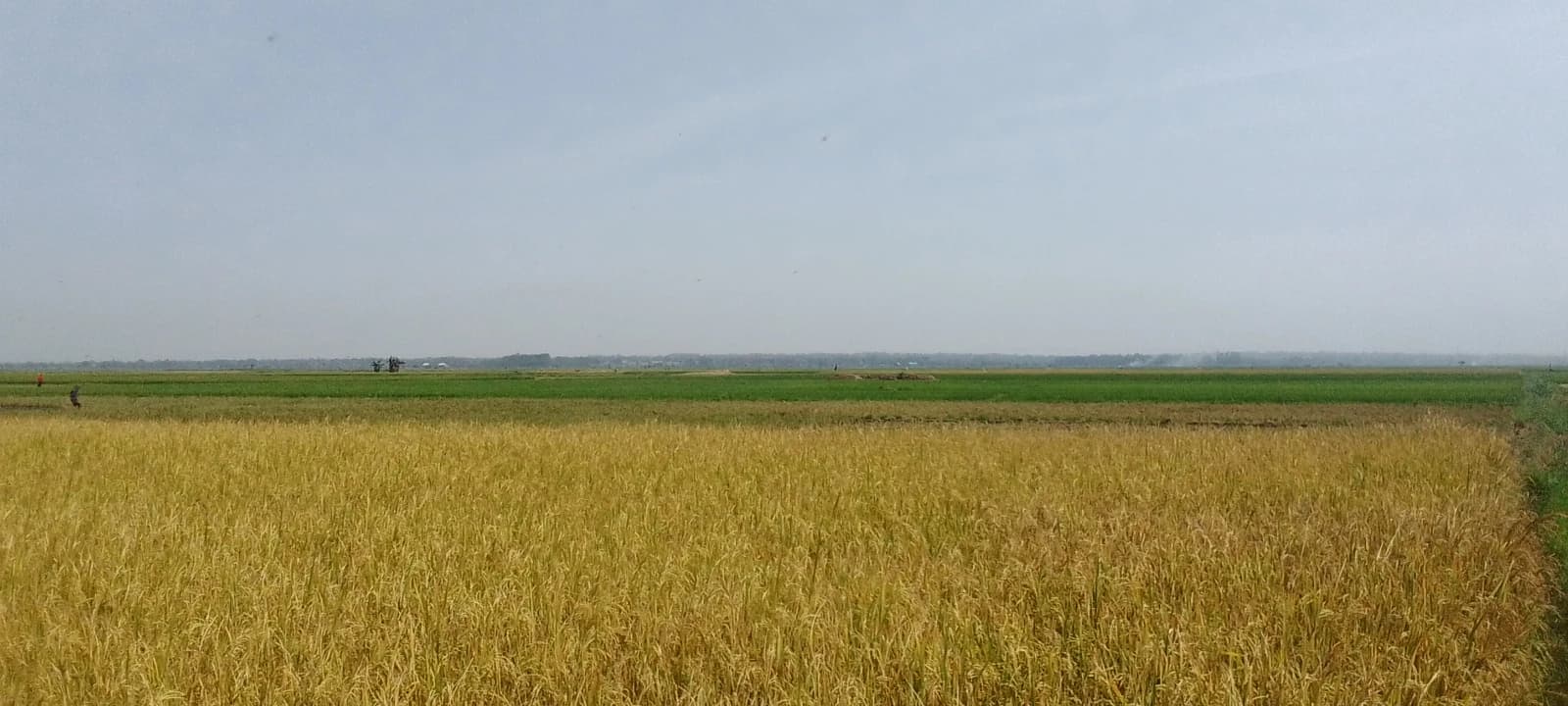
National rice production had reached 292,391 quintals in the Agrobolsa registry as of Nov. 19 and is still rising as field harvests progress through the main producing regions, according to the Agriculture and Livestock Secretariat, or SAG. The figure matters because Honduras consumes about 6 million quintals of rice a year, leaving a structural deficit that has to be covered by imports unless domestic productivity improves.
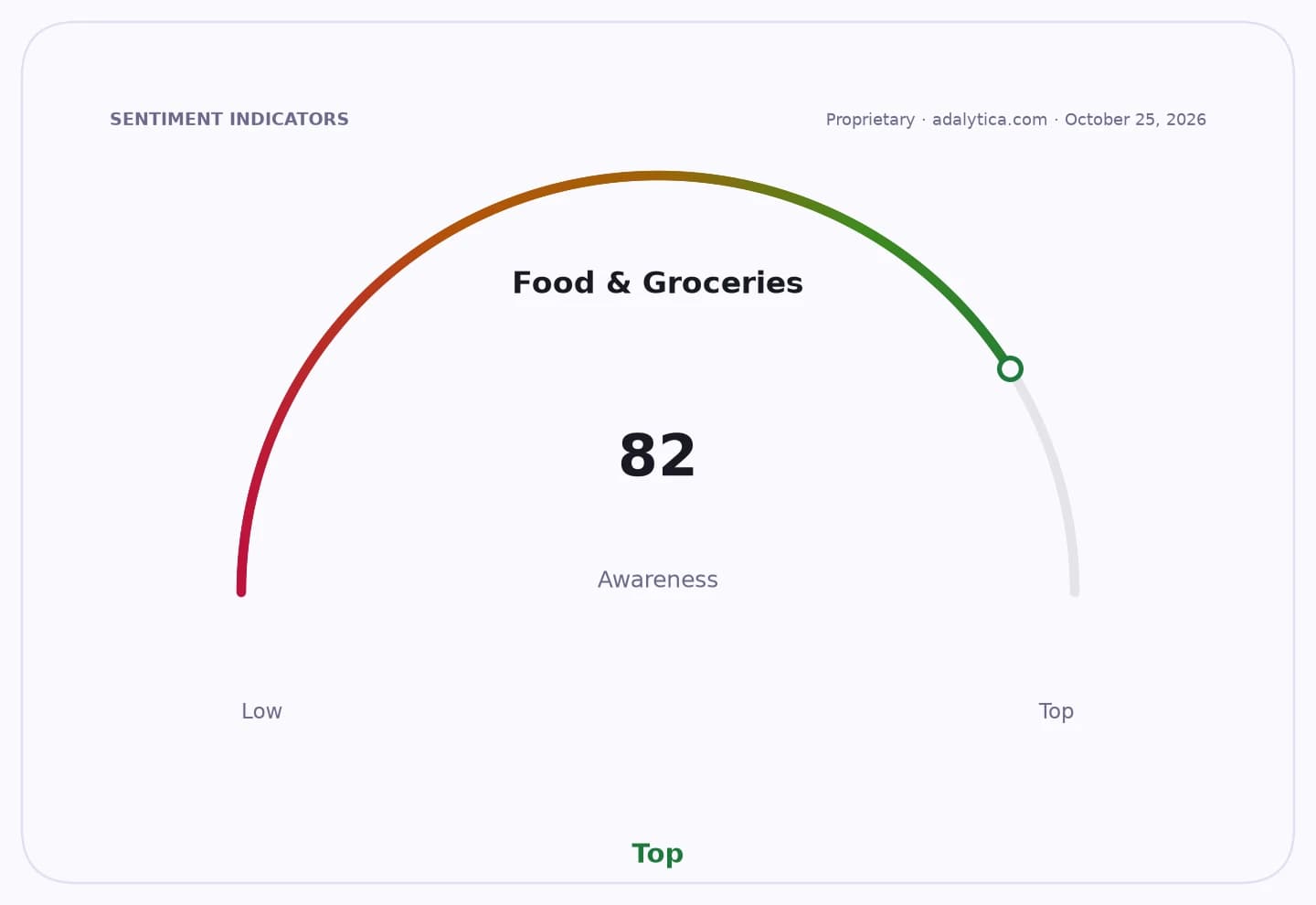
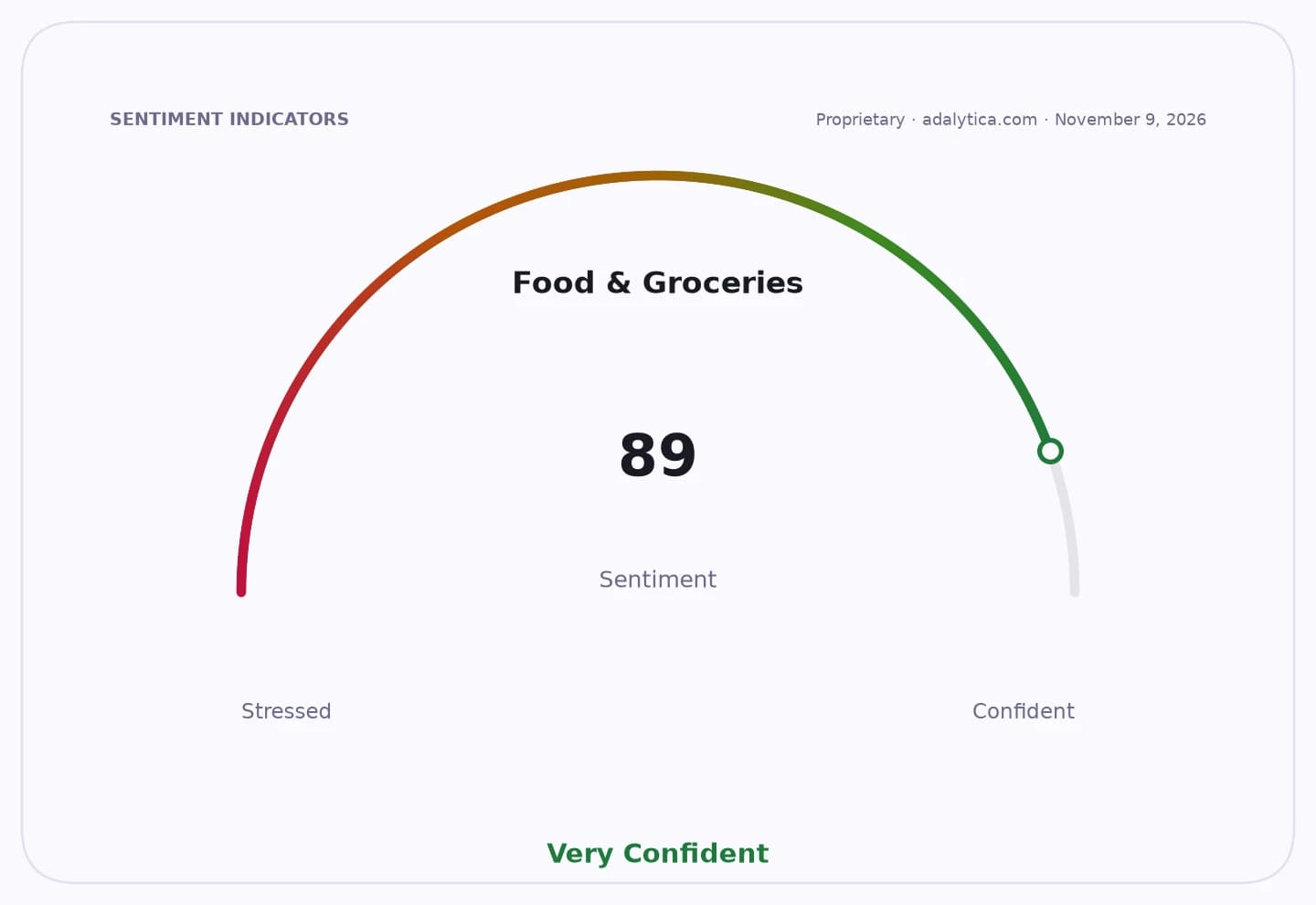
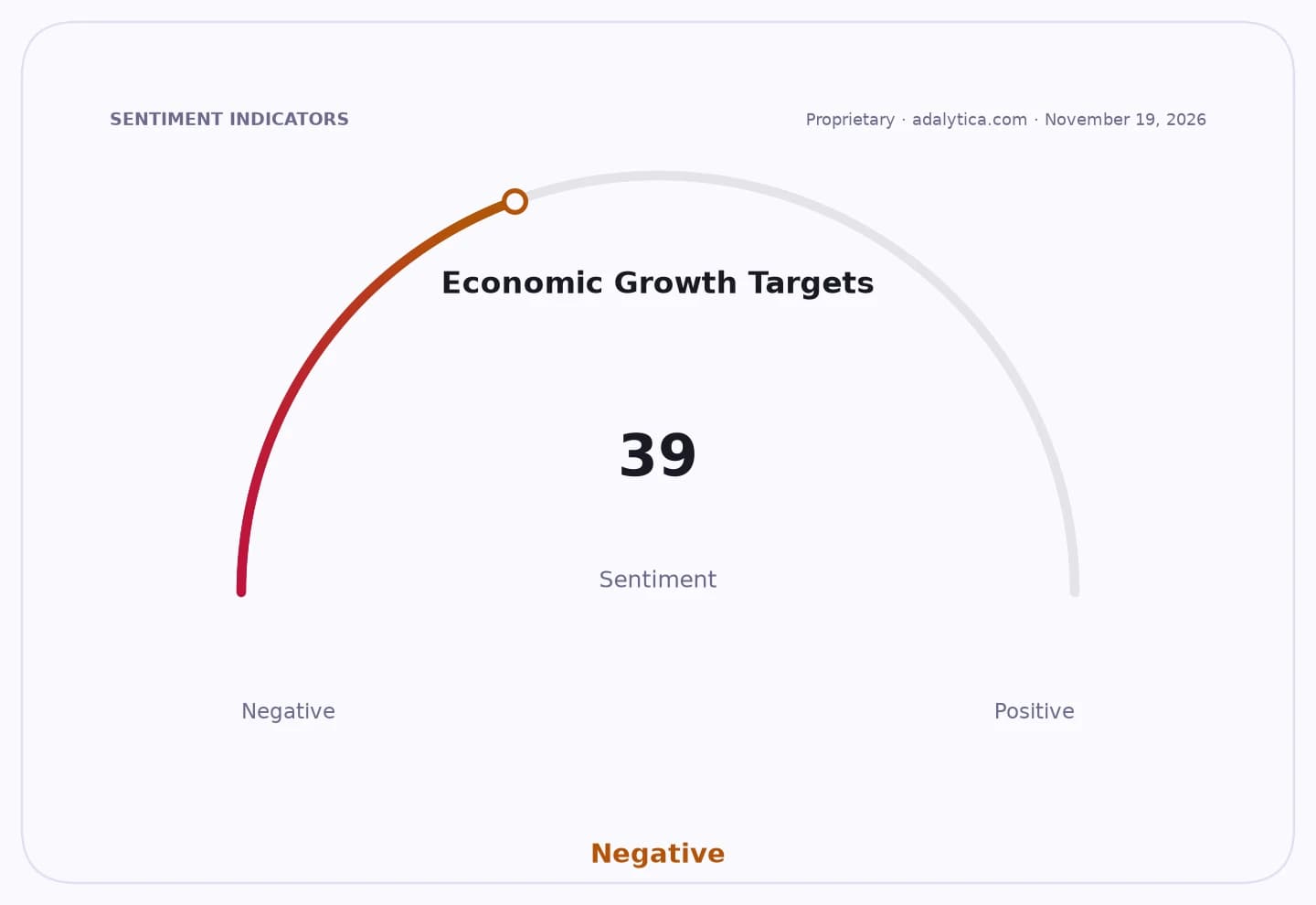
Sentiment Indicators
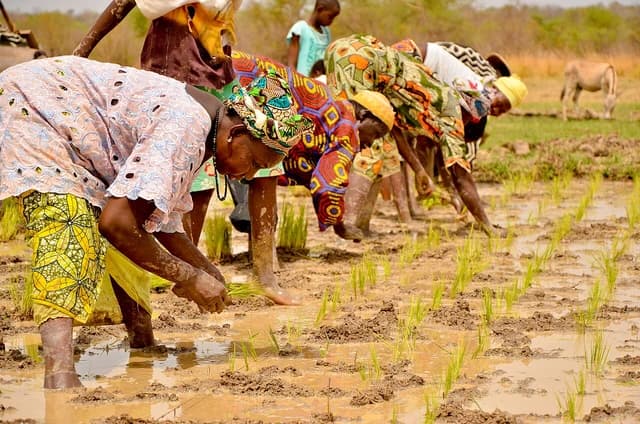
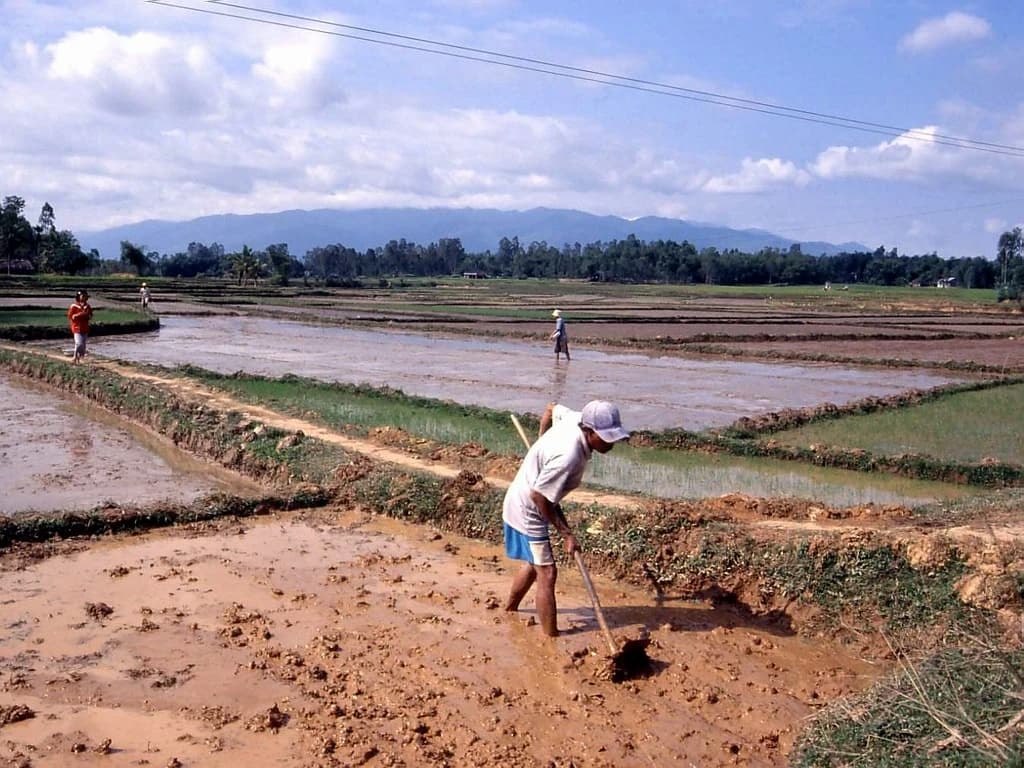
The bigger story for growers is not just the volume already registered, but the yield jump being delivered by the Juma 6920 variety, developed under the SAG’s LRC program — “limpio, rinde y calidad,” or clean, productive and high-quality. In San Esteban, Olancho, producer Federico Mejía said a 35-manzana plot planted with the seed is yielding more than 150 quintals per manzana, more than double the traditional 70 to 75 quintals from conventional seed. He projected 12,000 quintals from his farm.
That kind of gain changes the economics of rice farming. Higher output per unit of land reduces the cost of production, spreads fixed expenses across more grain and lowers dependence on herbicides and other inputs, particularly where the new seed helps control arroz rojo, a weed that has made some fields commercially unviable. Mejía said the variety also cuts pesticide costs and losses from contamination.
The SAG is using field days in Olancho and Santa Bárbara to validate the results and broaden adoption. In Las Vegas, Santa Bárbara, another producer, Marlin Hernández, said the same genetics pushed yields above 120 quintals per manzana and could support a 10,000-quintal crop. Officials are also testing the seed in Intibucá, Yoro and Comayagua, suggesting the government wants to turn a few successful plots into a wider productivity program.
For investors and agribusiness operators, the implications run beyond farm income. If the yield gains prove durable and scalable, Honduras could trim import needs, support domestic milling margins and improve supply consistency for local consumers. That would be positive for the local value chain, but less favorable for importers and foreign suppliers that currently fill the gap between domestic production and national demand.
The near-term risk is execution. Seed adoption, financing, extension services and weather all determine whether the current field results translate into a materially larger national crop. But with harvests still advancing and the year-end tally not yet complete, the direction of travel is clear: rice production is improving, and the new seed technology is becoming the key determinant of how much of Honduras’ demand can be met at home.
| Entity | Gains | Losses |
|---|---|---|
| Honduran rice farmers | ▲Higher yields, lower input costs | ▼Less dependence on old seed |
| SAG / government program | ▲Validation of LRC strategy | ▼Pressure to scale rollout |
| Domestic mills / consumers | ▲Better-quality local grain | ▼ |
| Rice importers / foreign suppliers | ▲ | ▼Smaller import demand |