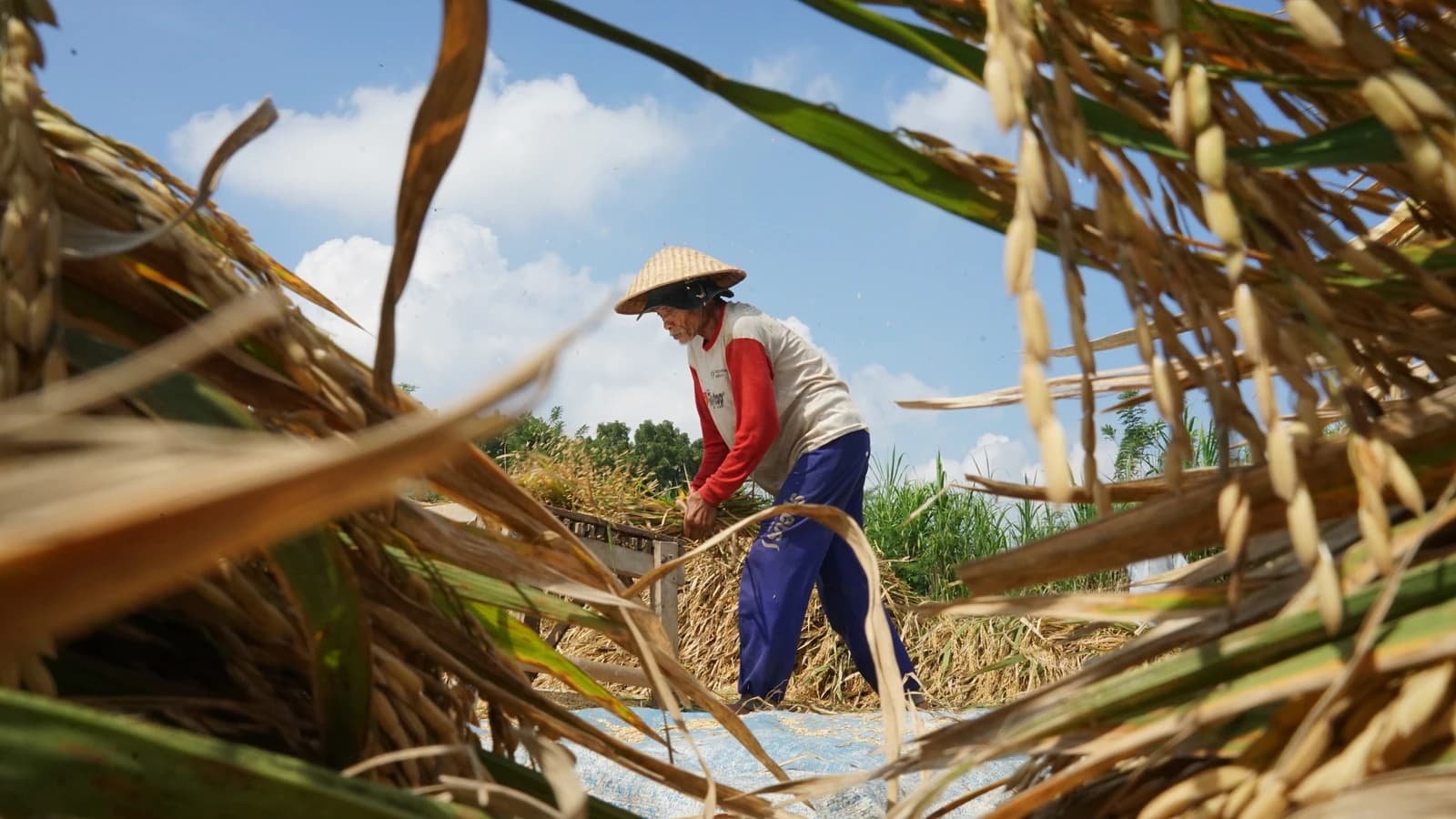
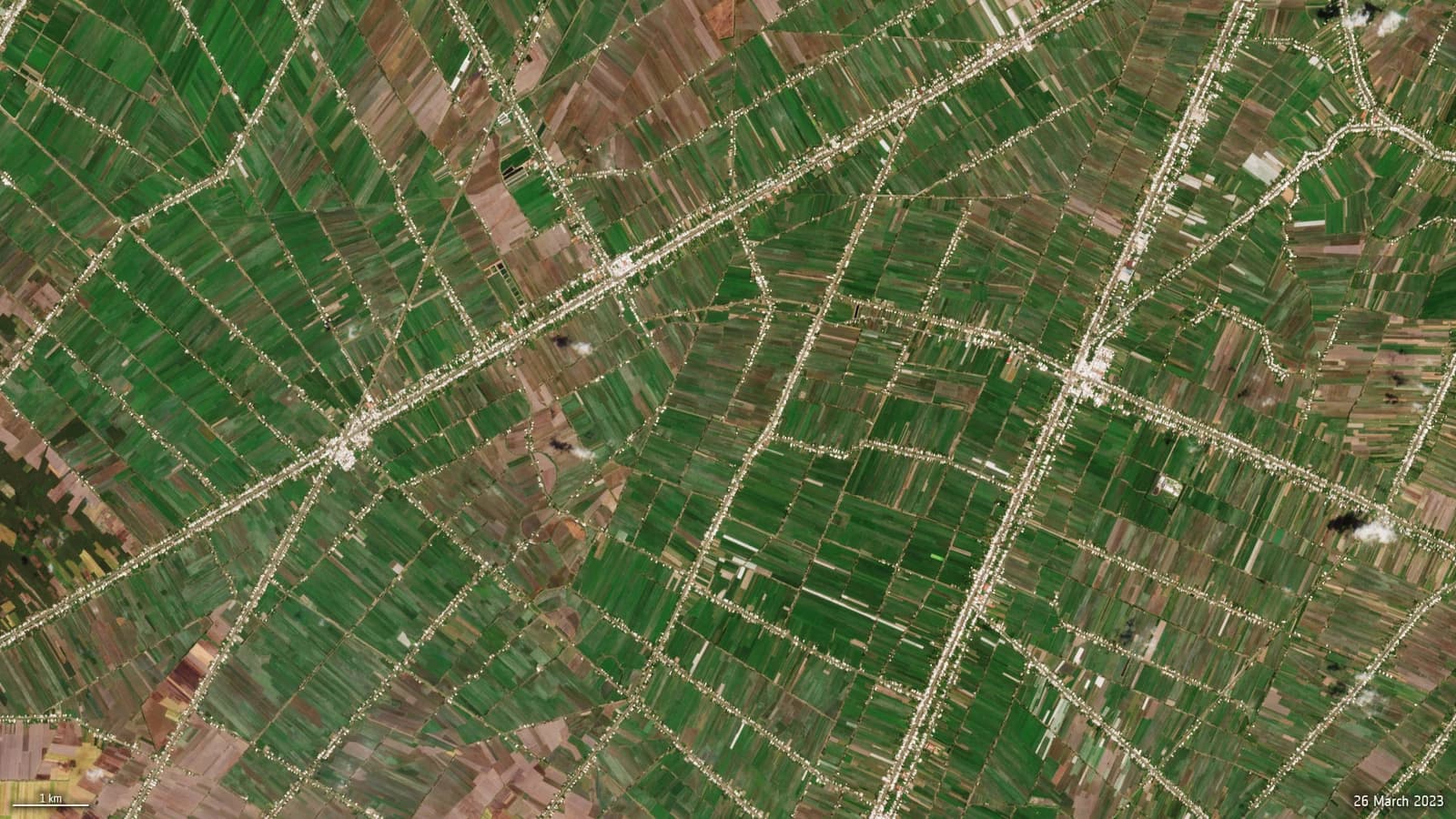
Ca Mau is turning low-emission rice farming into a wider economic play, betting that lower input costs and better margins will help lock in farmers while positioning the Mekong Delta province for premium, traceable grain sales.
Ca Mau expands low-emission rice zone
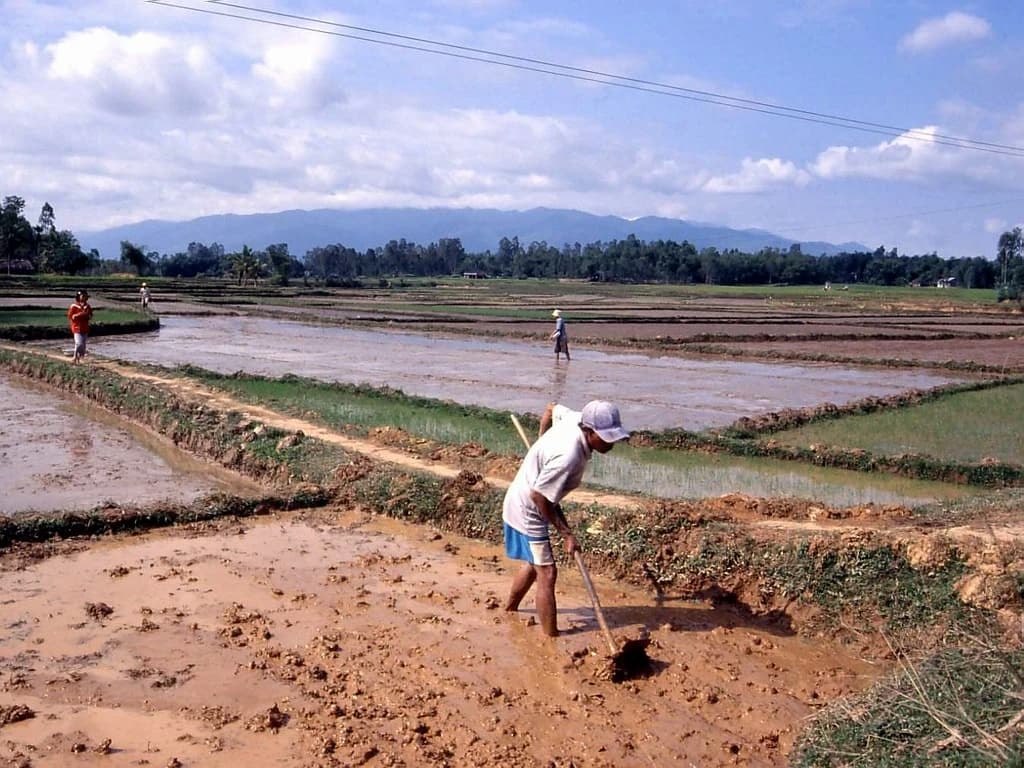
The province plans to build out a 54,680-hectare high-quality, low-emission rice zone across 20 communes and wards by 2030, with 6,000 hectares targeted for 2026. The shift matters because rice remains one of Vietnam’s most politically sensitive crops: it is tied to rural incomes, food security and export competitiveness, but it is also a major source of agricultural methane.
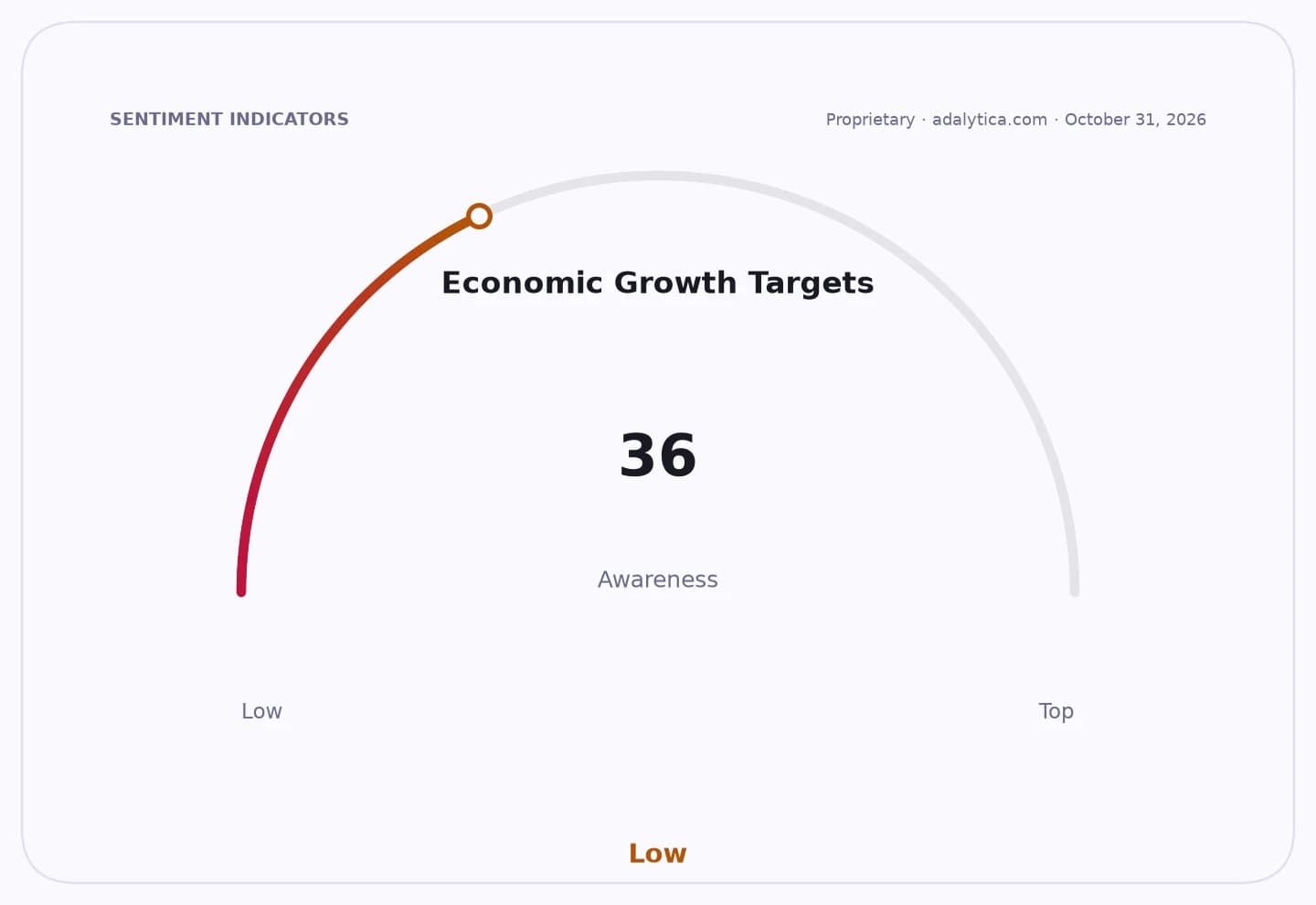
Sentiment Indicators
The model being rolled out in Ca Mau is not just about cutting emissions on paper. Farmers are being pushed toward standardized practices including “1 must, 5 reductions,” alternate wetting and drying, better mechanization and good agricultural practices. Seed use is targeted at 70-80 kilograms per hectare, while chemical fertilizer, pesticides and irrigation water are each set to fall by about 20% versus traditional methods.
That cost discipline is the core of the story. In one cooperative in Vinh Thanh commune, seed use was cut from 120 kilograms to 80 kilograms per hectare and fertilizer from 480 kilograms to 400 kilograms. Yields still reached 6.73 tons per hectare, while production costs fell by nearly 4 million dong per hectare and profit rose by more than 6 million dong.
Another collective, Vinh Cuong cooperative in Vinh My, reported average yields of 7.5 tons per hectare, with paddy bought by a company at 6,300-6,500 dong per kilogram, about 200 dong above the open market. For farmers, that combination of lower input spending and contracted pricing is more important than the environmental label: it improves cash flow, lowers weather and price risk, and makes compliance with stricter standards economically rational.
The broader economic logic is clear. Vietnam’s rice sector is under pressure to produce more value from less land and fewer inputs, even as global buyers increasingly demand traceability, sustainability claims and lower-carbon supply chains. Ca Mau’s use of digital mapping, farm diaries, VietGAP and SRP standards is designed to meet those requirements and make its rice easier to certify, track and market.
For investors and agribusiness buyers, the implications are mixed but important. Companies that can source traceable, low-emission rice gain access to a higher-value supply pool and potentially more stable contracts. Farmers and cooperatives gain if premiums and state support offset the cost of transition. The winners are input-efficient producers and buyers seeking compliant supply; the losers are traditional growers relying on heavy seed, fertilizer and water use, as well as traders with no premium for quality differentiation.
Ca Mau’s 50% support for approved inputs, including high-quality ST25 seed and organic biofertilizer, is helping de-risk adoption in the near term. But the real test will be whether the province can scale the model without weakening yields, and whether cooperatives can keep enough bargaining power to sustain contract prices once the pilot phase ends.
If that works, the province could build a more resilient rice value chain that raises farmer incomes while trimming emissions — a model other Mekong Delta provinces are likely to copy if domestic policy and export demand continue to favor greener grain.
| Entity | Gains | Losses |
|---|---|---|
| Ca Mau farmers | ▲Lower costs, higher profits | ▼Legacy input-heavy practices |
| Cooperatives | ▲Stronger contracts, better coordination | ▼Fragmented smallholder trading |
| Rice buyers/exporters | ▲Traceable low-carbon supply | ▼Undifferentiated supply chains |
| Input-intensive producers | ▲Higher pressure to adapt | ▼Margin erosion from lower usage |