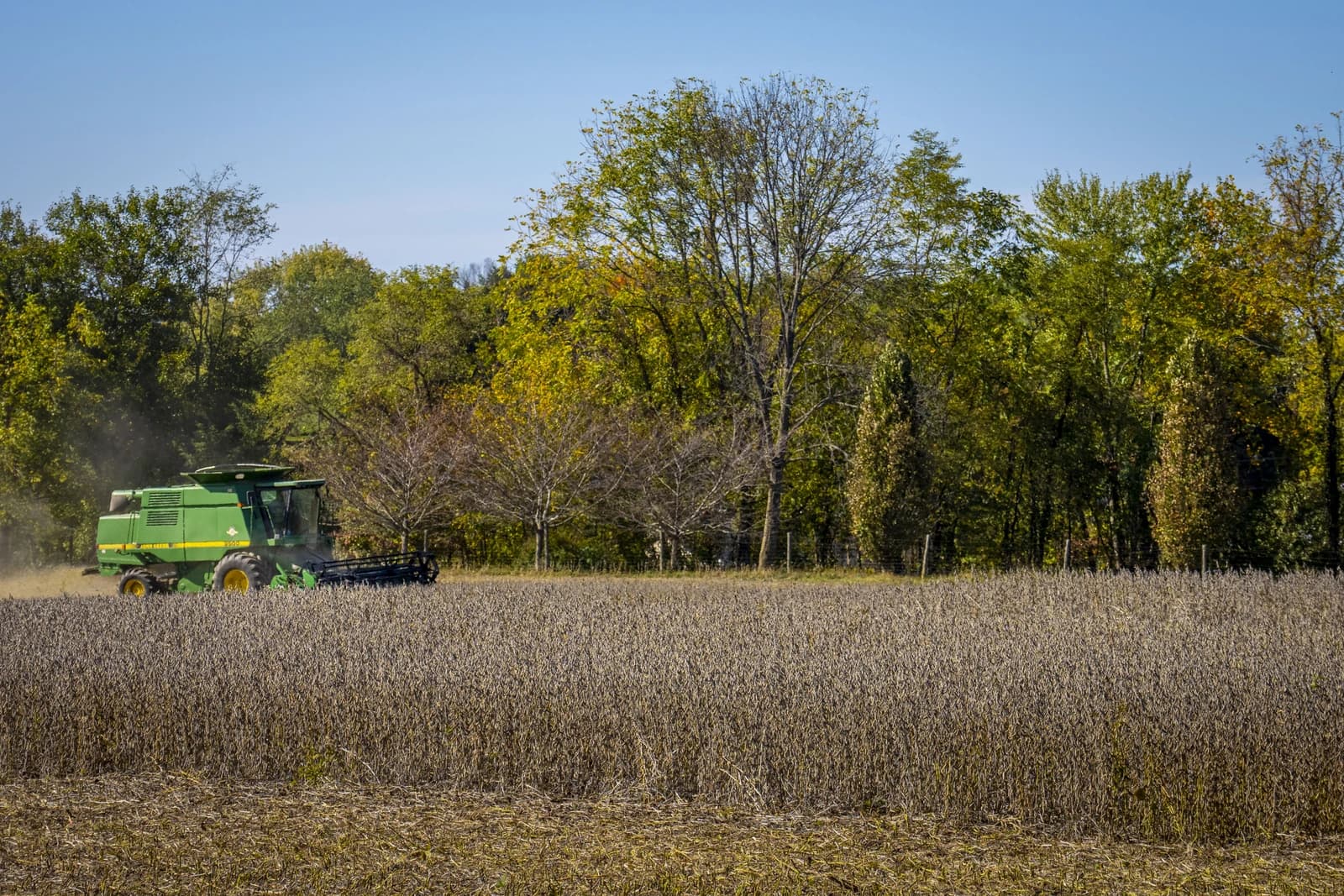
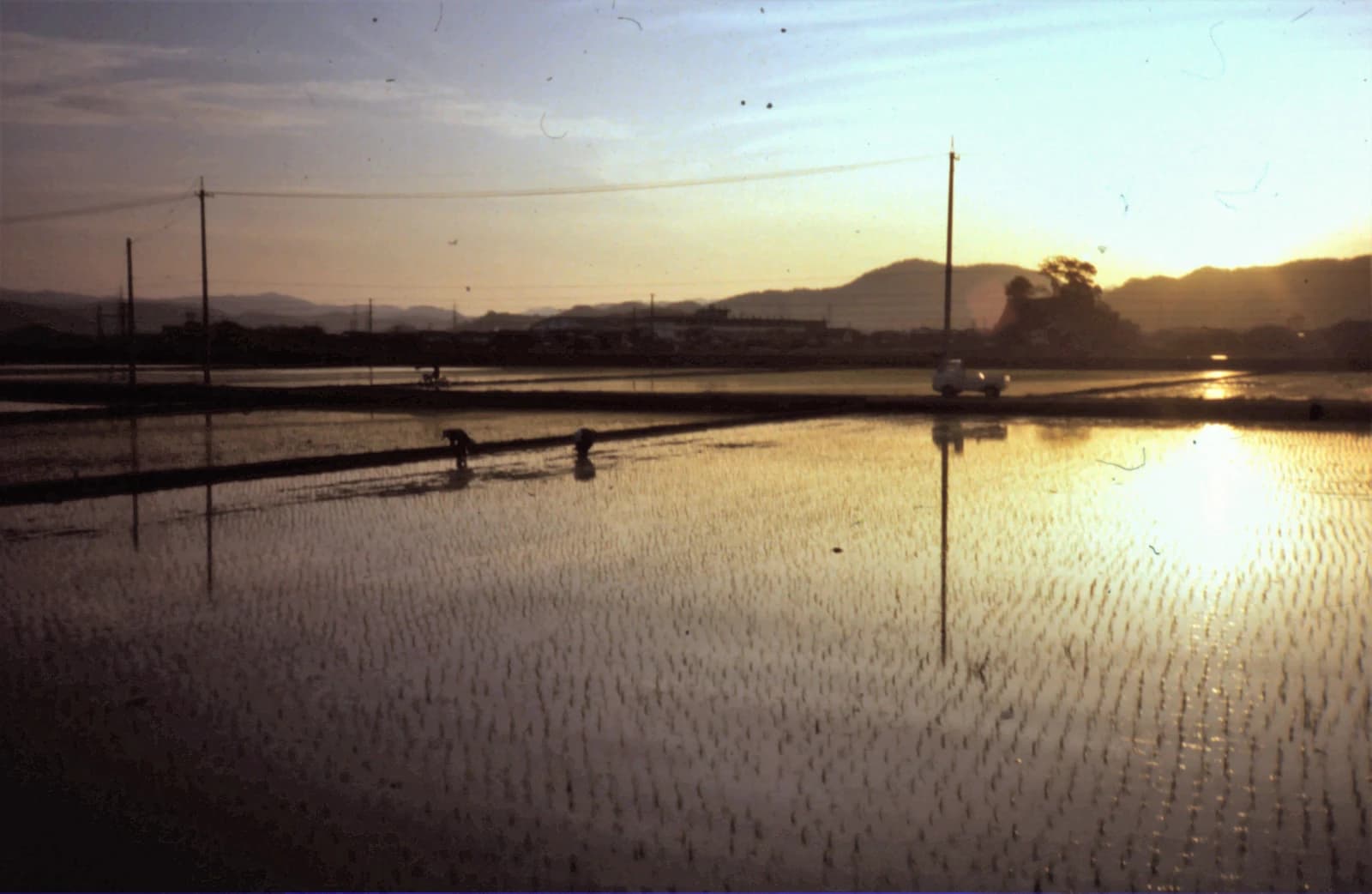
Mexico’s shrinking corn acreage is deepening the country’s reliance on imports and putting fresh pressure on food inflation, farm incomes and policymakers trying to contain a widening supply gap in the nation’s most important staple crop.
Mexico corn acreage falls, import reliance rises
Domestic production is expected to reach only 23.5 million tons against apparent consumption of 48.2 million tons, leaving Mexico with a self-sufficiency ratio of about 49%, according to the data cited by industry specialists. The shortfall is being driven by fewer planted hectares, including a spring-summer harvest of 5.4 million hectares versus 6.2 million previously, and by reduced plantings in Sinaloa, where only 584,000 of 800,000 irrigated hectares were sown.
Sentiment Indicators
That matters well beyond the farm belt. Mexico is one of the world’s largest corn importers, and any deterioration in domestic output raises its exposure to international prices, exchange-rate moves and supply disruptions. For consumers, the immediate risk is higher costs for tortillas, livestock feed and other food products tied to corn. For the government, it adds urgency to a politically sensitive goal of food sovereignty.
The decline also points to a structural problem rather than a one-off weather shock. Analysts quoted in the source blamed a combination of weak policy design, low global prices, a stronger peso, drought and higher input costs such as fertilizer, seed and diesel. FIRA estimates the cost of cultivation could rise to 54,365 pesos per hectare in the next cycle, while limited access to affordable credit and crop insurance has left many farmers under strain and in arrears.
For investors, the implications are mixed. Global grain traders and U.S. exporters could benefit from stronger Mexican import demand, while local producers face deteriorating margins and less incentive to expand acreage. Shares of agribusiness suppliers with exposure to crop inputs and merchandising can benefit from tighter market conditions, but sustained weakness in farmer profitability can also curb downstream demand for machinery, services and financing.
The corn market is already sensitive to tighter supply signals. Benchmark U.S. corn futures have remained volatile, and the broader commodity backdrop has been complicated by swings in energy costs and macro conditions. In that setting, Mexico’s acreage decline is not just a domestic agricultural issue; it is a demand-side support for imported corn and a reminder that regional food markets remain vulnerable to policy missteps and climate stress.
The bullish case for importers is that Mexico’s shortfall could sustain cross-border demand for months, especially if the government moves slowly on commercialization rules and risk-management tools. The bearish case is that any combination of better weather, stronger producer support or lower feed demand could ease the imbalance. But for now, the trajectory points in one direction: lower domestic output, higher import dependence and continued pressure on a crop that sits at the center of Mexico’s food and inflation outlook.
| Entity | Gains | Losses |
|---|---|---|
| U.S. corn exporters | ▲Stronger Mexico demand | ▼Limited downside from weaker Mexican harvests |
| Mexican consumers | ▲None | ▼Higher food and tortilla costs |
| Mexican farmers | ▲Possible future support | ▼Lower acreage, thinner margins |
| Grain traders / agribusiness firms | ▲Volatility and import flows | ▼Farmer stress, weaker domestic production |